
Dongying Mobile Toilet Installation
There are mainly two types of installation methods for mobile toilets in Dongying, as detailed below:
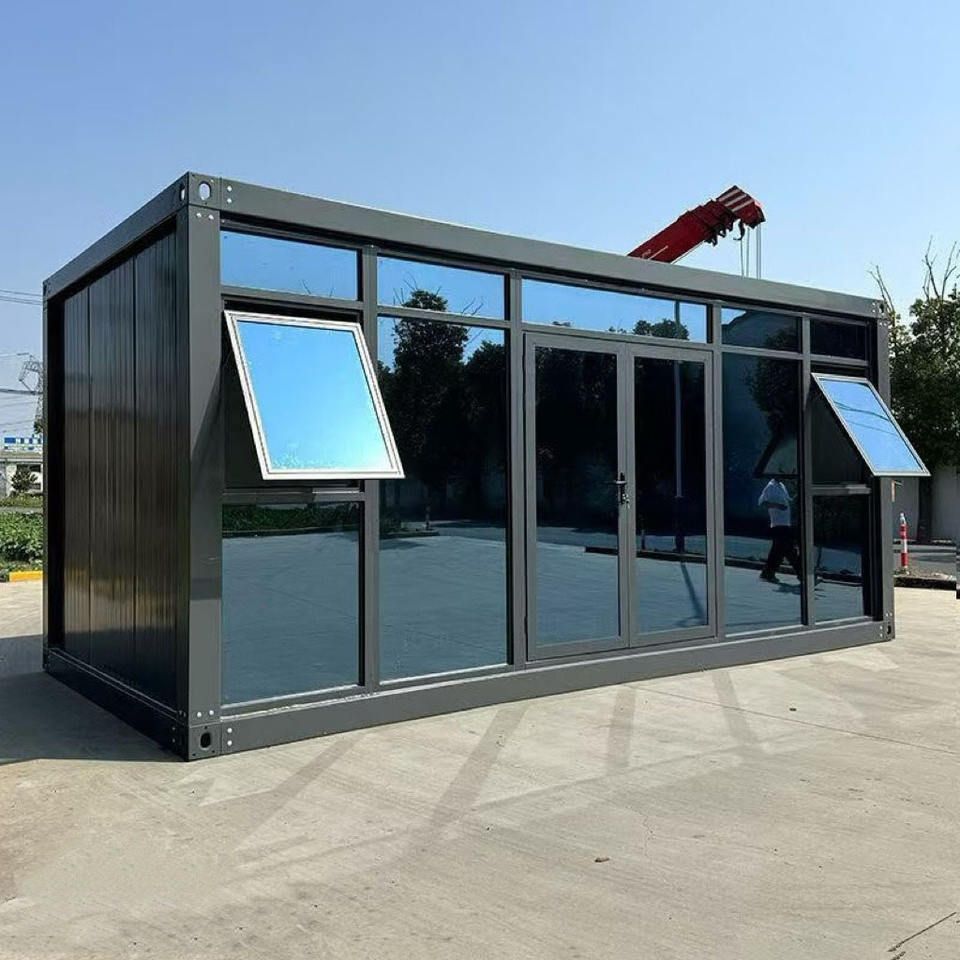
First, the installation of mobile toilets customized for rural areas
The installation process for this type of mobile toilet is relatively simple, with the core step being to pour a flat ground on-site. Before installation, the ground area should be determined based on the overall dimensions of the mobile toilet to ensure that the ground is level and meets the load-bearing requirements. After pouring, place the main body of the mobile toilet at the designated location and secure it to complete the installation. This installation method has low technical requirements and can be operated by ordinary construction workers. Under normal use and maintenance conditions, the service life of such mobile toilets can reach over 10 years, with their stability attributed to the flatness of the foundation ground and the durability of the main structure. During long-term use, it is necessary to regularly check for ground settlement to avoid affecting toilet stability due to loose foundations.
Second, the installation of Liwei 365 Toilet Rental modular mobile toilets
This type of mobile toilet adopts a modular design, making the installation process more efficient. Its core advantage lies in requiring no complex construction, as it only involves assembling prefabricated modules (such as toilet compartments, sewage systems, ventilation devices, etc.) through standardized interfaces. The installation time is usually controlled within 1-2 hours, depending on the on-site environment (such as ground flatness and space openness). The modular design also supports rapid disassembly and relocation, making it suitable for temporary events, construction sites, and other scenarios. During installation, it is crucial to check the tightness of the module connections to ensure that the sewage pipes are unobstructed and free from leakage risks. Additionally, the installation position of the ventilation module should meet air circulation requirements to avoid odor accumulation.
Common considerations for both installation methods
Regardless of the type chosen, it is necessary to confirm whether the on-site power supply, water supply, and sewage conditions match the functional requirements of the mobile toilet before installation. For example, some high-end models need to be connected to municipal sewage networks, while self-circulating toilets require reserved wastewater treatment space. After installation, a functional test should be conducted, including the operation of the flushing system, lighting equipment, and door locks, to ensure user safety. Regular maintenance (such as cleaning sewage pipes and replacing consumables) can significantly extend the service life of mobile toilets.



