
Volver al blog
Artículo
Dongling Container House
Admin 15 de septiembre de 2026
Dongling container houses are a new type of modular building designed or renovated based on containers, featuring mobility, rapid installation, and flexible combination. They are widely used in temporary offices, residential, cultural tourism, commercial, and other scenarios.
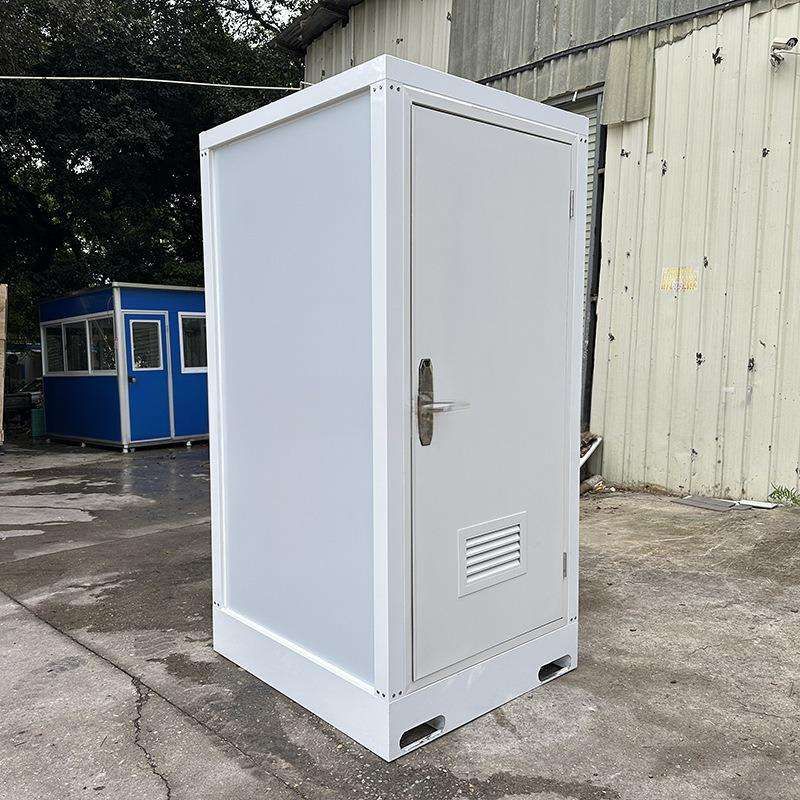
I. Structural and Process Characteristics
Container houses are mainly produced through two processing techniques:
- Direct Renovation Type: Renovated directly from shipping containers, retaining the original frame structure and converting them into livable or office spaces through reinforcement, insulation, and decoration.
- Modular Design Type: Prefabricated top and bottom frames in factories according to container dimensions, connected by columns to form a skeleton, and then assembled with materials such as color-steel sandwich panels for walls. These houses allow flexible design of dimensions and layouts and can even be stacked in multiple layers (e.g., packing-box units can be stacked up to 3 layers).
Materials and Performance:
- Walls often use Class A fire-resistant rock wool color-steel sandwich panels, meeting fire and thermal insulation standards (e.g., thermal conductivity ≤ 0.042W/(m·K)).
- The frame structure can withstand wind speeds up to Class 12 and earthquakes up to Class 8, adapting to extreme climates such as plateaus and coastal areas.
- Some products feature galvanized formed bases and calcium silicate board floors to enhance moisture resistance and corrosion resistance.
II. Application Scenarios and Advantages
Temporary and Mobile Needs:
- Suitable for temporary dormitories, offices, and guard rooms on construction sites, supporting rapid installation and disassembly, reusability, and reducing long-term costs.
- Flexible leasing models (daily rent as low as a few yuan) meet short-term and long-term rental needs without hidden fees.
Cultural Tourism and Commercial Innovation:
- Container houses can be designed as creative homestays, milk tea shops, tourist service centers, etc., enhancing attractiveness through customized shapes (e.g., double-wing expansion, space capsules).
- Modular combinations are flexible, allowing the addition of roofs, corridors, awnings, and other accessories to form open large spaces or independent functional units.
Adaptability to Special Environments:
- In harsh environments such as plateaus, permafrost, and low-pressure areas, stability is ensured through moisture-resistant materials and special structural designs (e.g., "cold bridge prevention + gutter structure").
- For example, COSCO Shipping Development's aid projects use thickened insulation layers and special steel to ensure stable operation of containers at altitudes of 5,000 meters.
III. Services and Guarantees
Some manufacturers offer full-chain services, including design, production, transportation, installation, after-sales, and recycling, supporting a 24-hour response mechanism and nationwide multi-warehouse coordination to ensure timely supply of parts.
Relacionados



