
Living in Container Houses in China
Container houses can be inhabited in China, but they must meet various requirements in terms of planning, safety, and environmental protection.
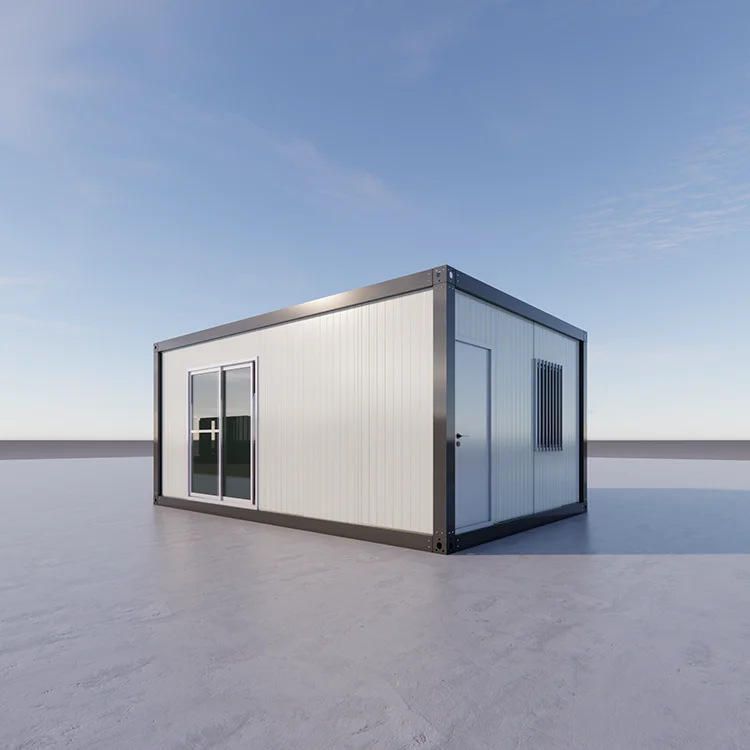
From a legal perspective, there is currently no unified national law explicitly prohibiting the habitation of container houses. However, they must comply with specific local planning and building management regulations. For example, some cities stipulate that residential buildings must meet certain standards for area, height, and fire safety. If a container house, after modification, meets these standards and is located within permitted construction land (such as private residential land or industrial land附属设施, which means ancillary facilities), it can generally be inhabited. Placing them in public areas, greenbelts, or other unauthorized locations may be prohibited due to violations of urban and rural planning laws.
From a safety perspective, container houses must meet structural and fire safety requirements. In terms of structural safety, professional design is required to ensure that the container connections are secure and the load-bearing capacity meets standards, preventing collapse due to stacking or strong winds. Regarding fire safety, they must be equipped with fire extinguishers, smoke detectors, and other safety devices, and use fire-resistant materials for interior decoration to comply with the fire safety requirements for residential premises in the "Code for Fire Protection Design of Buildings".
From an environmental and comfort perspective, container houses need to address issues such as insulation, soundproofing, and ventilation. For example, adding rock wool insulation layers, double-glazed windows, and fresh air systems can enhance the living experience. Additionally, proper planning of water and electricity lines is essential to ensure electrical safety and smooth drainage, avoiding safety hazards caused by unauthorized connections.
From a practical application perspective, container houses have been widely adopted in various scenarios in China. For instance, they are commonly used as temporary dormitories on construction sites, cultural and tourism homestays, and emergency medical facilities. Some companies also utilize modular designs for rapid deployment and recycling, reducing construction costs and resource waste.



