
Does Container House Have Electricity Now?
Container houses can be powered with electricity, and in most cases, they are equipped with water and electricity systems. Here is a detailed explanation:
Universality of Electricity Supply
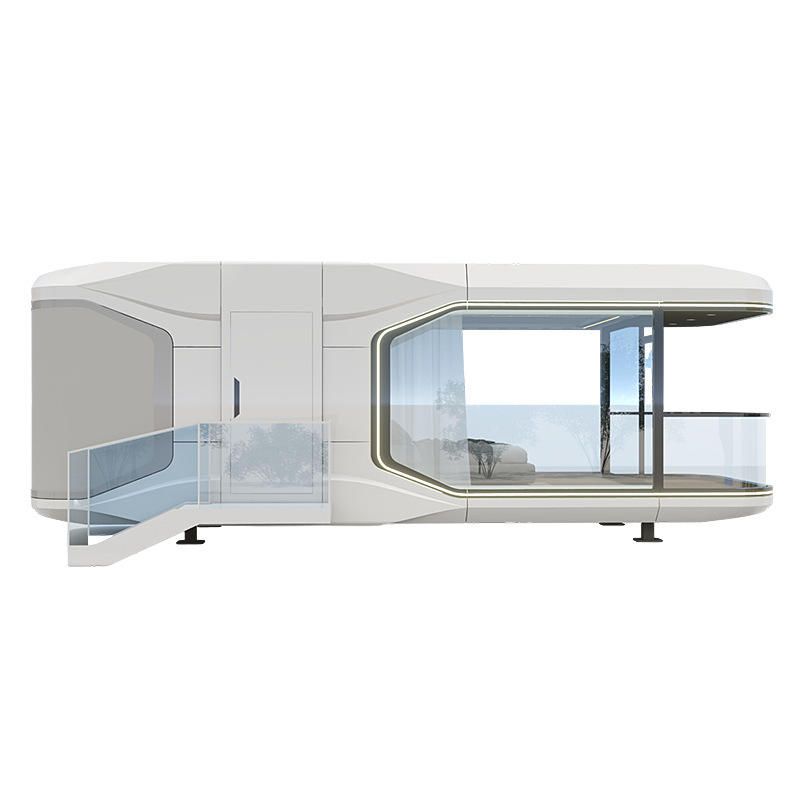
Container houses are designed with living or office needs in mind, and they typically come with built-in power structures that can be connected to external power sources. For example, container house rental services in Shanghai explicitly advertise “water and electricity supply with air conditioning”. Each container is equipped with sockets and light bulbs to meet basic electricity needs. Additionally, the internal structure of residential containers includes a power system that can be directly connected to the external power grid, supporting the use of lighting, air conditioning, televisions, and other devices.
Configuration of Water and Electricity Systems
Electrical System
The electrical design of container houses usually adopts a standardized layout, with sockets and switch positions reserved on the walls. Some models are also equipped with independent electricity meters. For instance, a 6-meter-long customized container house for a creative studio can be powered and ready for occupancy immediately after being hoisted into place, with ceiling light strips installed inside, indicating that the electrical system supports personalized modifications. Moreover, the wires and cables in container houses need to be protected with sleeves, and the sockets and switch boxes should be made of metal galvanized boxes and installed on the surface, complying with fire safety requirements.Water System
In addition to electricity, container houses can also be connected to the water supply system. For example, container rental houses in Shanghai are equipped with sinks, showers, and other facilities, supporting daily activities such as grocery shopping, cooking, and washing. Some high-end models even integrate rainwater collection systems to achieve water resource recycling.
Safety and Compliance
The electrical design of container houses must comply with safety standards. For example, rock wool boards and fireproof cotton are used as fillers to achieve an A-grade fire resistance limit. Heat sources and fire sources should be kept away from the container, and open-flame operations should maintain a safe distance. Simple fire extinguishing equipment is provided both inside and outside. These measures ensure electrical safety and prevent fire risks.
Diversity of Application Scenarios
The electricity supply function of container houses supports their wide application in temporary offices, wild field stations, emergency housing, and other scenarios. For example, construction sites use containers as dormitories, offices, or kitchens, all of which require a stable water and electricity supply. Customized creative studios or bed-and-breakfasts also rely on the electrical system to support lighting and device operation.



