
Does Container House Change Color?
Container houses can change color, and this change is mainly related to the painting process and material selection.
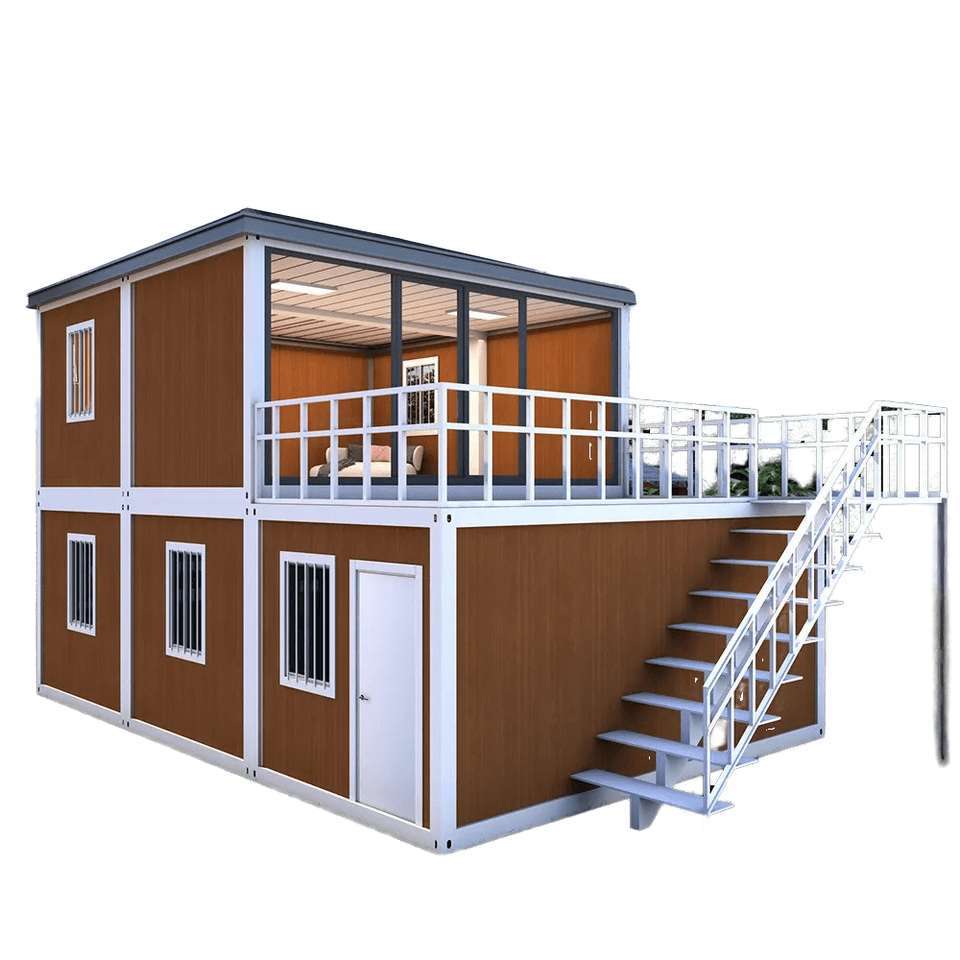
1. The painting process gives container houses the ability to change color Modern container houses have achieved color diversity through technological advancements in the painting industry. Water-based container paints (water-based paints for steel structures and color-steel roofs) are the primary painting materials, with core functions including:
- Extending service life: By providing anti-corrosion and anti-rust treatments, they protect the base material of the container (high-strength steel) from environmental erosion, thereby maintaining structural stability.
- Improving aesthetics: Painting can give container houses vibrant colors to meet personalized needs. For example, container houses in settings such as beaches, plateaus, and seaside areas often use highly saturated colors to create visual highlights.
- Enhancing adaptability: Painting materials need to adapt to different climatic conditions. For example, in desert environments, UV-resistant coatings may be chosen, while in humid environments, waterproof and mildew-resistant coatings are required, indirectly affecting color durability.
2. Active and passive color changes
- Active color change: Color updates are achieved through repainting. The modular design of container houses allows for partial or complete repainting, such as changing from an industrial gray to a pastoral green to adapt to functional or aesthetic changes.
- Passive color change: Long-term exposure to environments such as ultraviolet light, acid rain, or salt spray can cause the coating to fade, chalk, or yellow. For example, container houses in coastal areas may have a shorter color retention period than those in inland areas due to salt erosion.
3. The impact of material selection on color stability
- Coating type: High-performance coatings such as fluorocarbon paints have stronger weather resistance and can maintain color for 5-10 years without change; ordinary acrylic paints may require repainting every 2-3 years.
- Base material treatment: Pretreatment processes such as rust removal and phosphating can enhance coating adhesion, reducing coating peeling caused by base material corrosion and thereby maintaining color integrity.
- Environmental factors: High temperatures, high humidity, or strong sandstorms can accelerate coating aging, requiring regular maintenance (such as cleaning and touch-up painting) to extend color life.
Summary The color-changing ability of container houses originates from the painting process. They can achieve color updates through active repainting or experience passive fading due to environmental factors. Choosing high-performance coating materials, standardizing base material treatment processes, and conducting regular maintenance are key to maintaining their color stability.



