
Do Container Houses Have UV Protection?
Container houses have UV protection capabilities. Their UV protection properties mainly stem from the construction materials and surface treatment processes. The following explains this from two aspects: material properties and practical application effects:
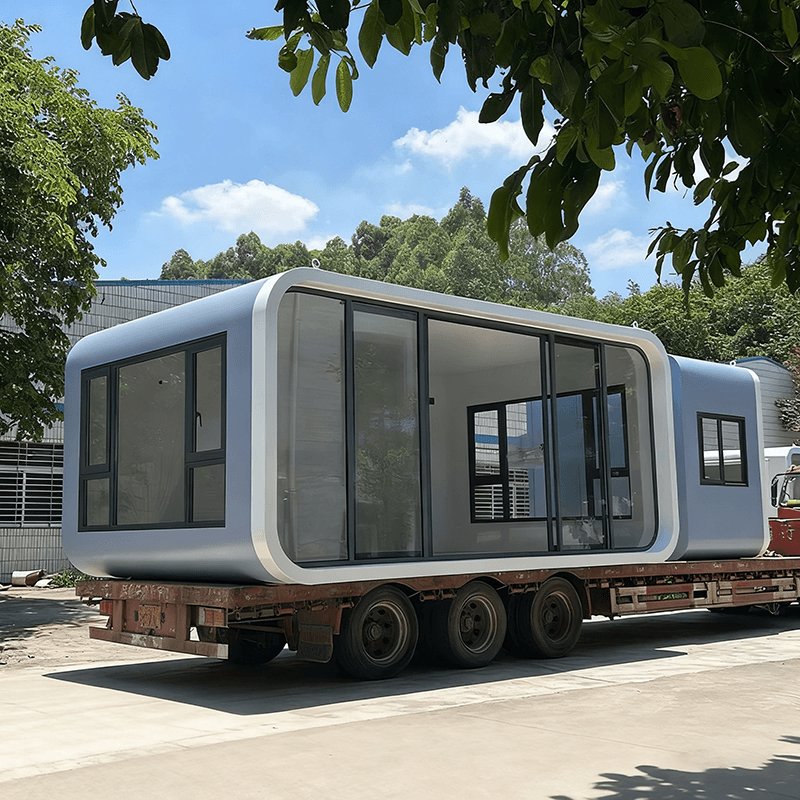
1. Material Properties: Weather-Resistant Materials and Coating Technologies
The main structure of container houses is usually made of high-strength steel. This material itself has good weather resistance, but direct exposure to UV radiation can still accelerate surface aging. To enhance UV protection performance, modern container houses employ two main technologies during construction:
- Surface Coating Treatment: A dense protective layer is formed on the steel surface through spraying or electrophoretic processes, using coatings such as epoxy resin and polyurethane. These coatings not only isolate oxygen and moisture but also reflect or absorb UV radiation, reducing damage to the internal structure. For example, specialized coatings for UV-resistant container houses can reflect about 70%-80% of UV radiation, significantly reducing internal temperature fluctuations.
- Composite Material Application: Some container houses use composite materials such as anti-corrosion wood and aluminum-plastic panels for their exterior facades. Among them, anti-corrosion wood undergoes pressure impregnation treatment, filling the wood cells with anti-corrosion and UV-resistant components, which can resist fading and cracking caused by UV radiation; aluminum-plastic panels combine metal and plastic layers to achieve a combination of UV shielding and thermal insulation functions.
2. Practical Application Effects: Temperature Control and Structural Protection
UV protection design not only extends the service life of container houses but also directly improves their user experience:
- Reducing Internal Temperature: UV-reflective coatings can reduce the absorption of solar radiation heat. Combined with ventilation systems or thermal insulation interlayers, they can keep the indoor temperature 5-10℃ lower than that of ordinary metal houses, making them especially suitable for use in tropical or high-altitude areas.
- Protecting Internal Facilities: UV radiation is one of the main factors accelerating the aging of furniture and electrical appliances. The UV-resistant structure of container houses can effectively block more than 90% of UVA and UVB radiation, protecting internal items from fading, deformation, and other damage.
- Reducing Maintenance Costs: The combination of weather-resistant materials and coatings eliminates the need for frequent maintenance of the house's exterior surface. For example, anti-corrosion wood facades can remain fade-resistant and crack-resistant for more than 10 years under normal use conditions, significantly reducing long-term maintenance investments.
Summary: Container houses achieve UV protection through material selection and surface treatment technologies. This property not only ensures structural stability but also enhances living comfort, representing an important aspect of modern modular buildings adapting to diverse environmental needs.



