
Volver al blog
Artículo
DIY Container Renovation House
Admin 15 de septiembre de 2026
When undertaking a DIY container renovation house project, it is essential to comprehensively consider factors such as design planning, structural safety, functional layout, material selection, and legal compliance. Details are as follows:
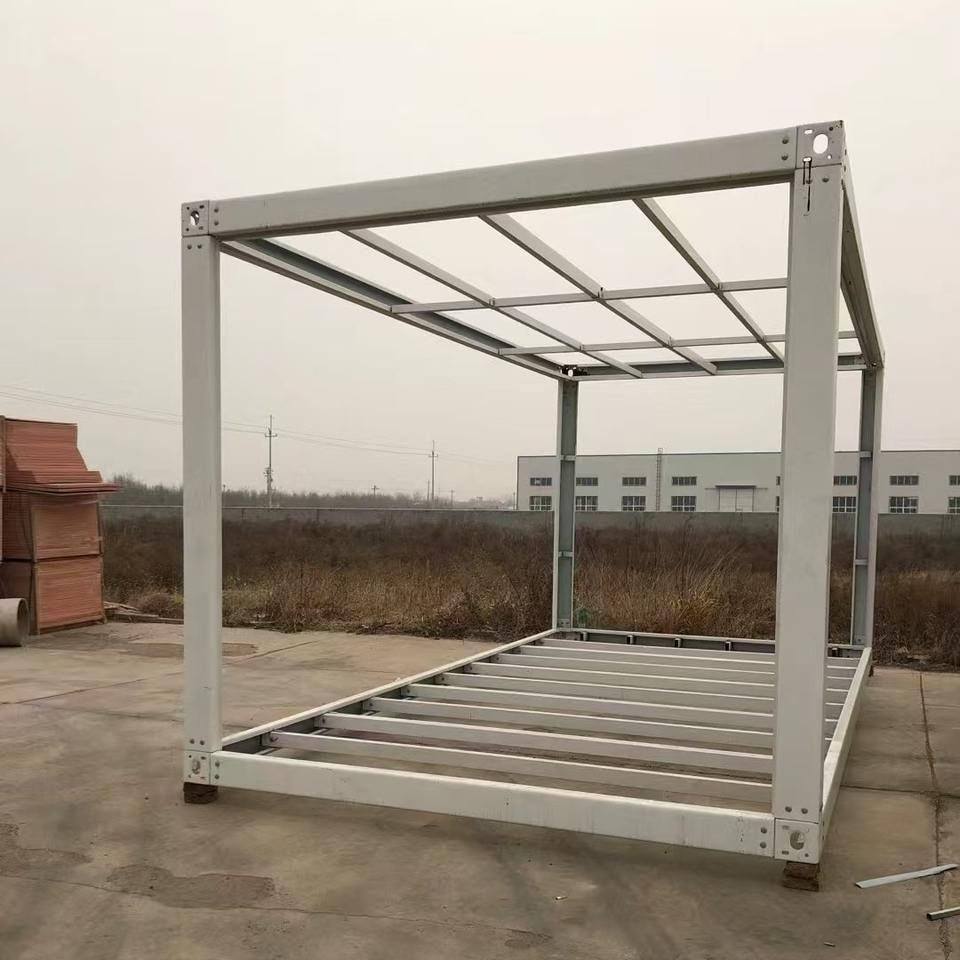
Design Planning and Structural Safety
- Design Planning: Determine the number, size, and combination method of containers based on requirements. For example, four 30-square-meter containers can be stacked in a staggered manner to construct a 120-square-meter two-story residence, including functional areas such as a living room, bedrooms, and a terrace; two 18-square-meter containers placed side by side can be divided into areas such as a living room, kitchen, and bedrooms.
- Structural Safety: The original structure of the container needs to be reinforced, especially when renovating it into a multi-story building or when adding windows and doors. For example, installing lifting rods at the four corners of the container can enhance roof stability; when using an electric hydraulic system to achieve side expansion functions, it is necessary to ensure the mechanical structure is stable.
Functional Layout and Space Utilization
- Functional Layout: Reasonably divide areas for living, cooking, and bathing. For example, a 15-square-meter container can achieve a conversion between a living room and a bedroom through foldable furniture; a 30-square-meter space can set up a hydraulic deck terrace through an L-shaped layout to expand the activity area.
- Space Utilization: Improve utilization by utilizing vertical space and multi-functional furniture. For example, install cabinets and storage compartments on the walls; design the bed as a foldable type that can be used as a sofa during the day.
Material Selection and Thermal Insulation
- Material Selection: External materials need to balance sturdiness and thermal insulation. For example, a material formed by fusing quartz, porcelain, and glass can enhance thermal insulation performance; internally, using artificial boards with added insulation materials can reduce costs and facilitate maintenance.
- Thermal Insulation: The metal material of the container is prone to heat conduction and needs to be improved through materials or design. For example, installing solar panels can reduce indoor heat accumulation; using fire-resistant and non-burning black special materials to decorate the area around the stove can兼顾 (take into account) both safety and thermal insulation.
Legal Compliance and Construction Permits
- Legal Compliance: Before renovation, it is necessary to confirm the land nature and building regulations. For example, on non-construction land, it is advisable to choose movable and recyclable container modular houses; in rural areas, it may be necessary to renovate on the original foundation to avoid illegal new construction.
- Construction Permits: Some renovations may involve building permits and require prior consultation with local authorities. For example, adding a hydraulic deck or changing the container structure may require approval.
Relacionados



