
Dezhou Mobile Environmental Toilet Inspection
The inspection of mobile environmental toilets in Dezhou should focus on core items such as structure, materials, hygiene, convenience, environmental protection, and microbial indicators to ensure compliance with national standards and meet public health and safety requirements.
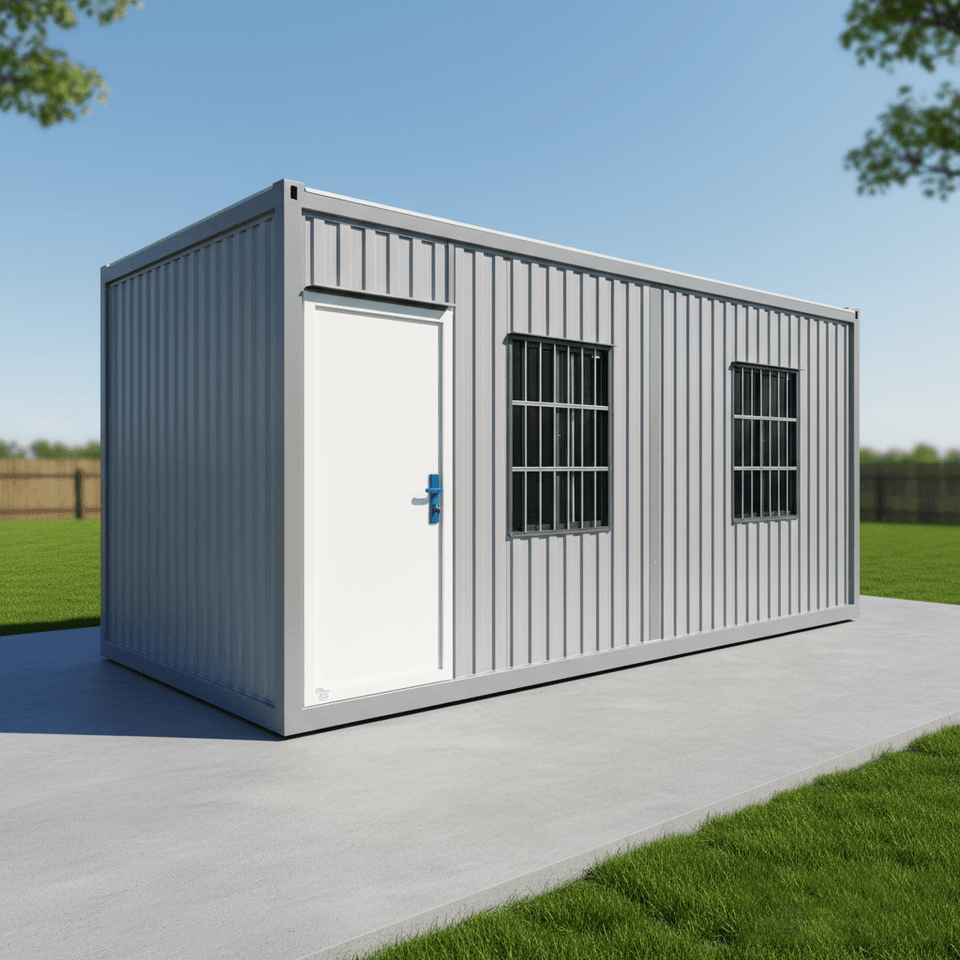
1. Structural Strength and Stability Inspection
The inspection focuses on frame strength, overall stability, and foundation bearing capacity. The frame must undergo tensile and compressive tests using a universal material testing machine to ensure no deformation during lifting or transportation. Overall stability requires simulation of wind pressure resistance (e.g., 8-level wind force) and earthquake resistance (e.g., 6-degree seismic intensity) to prevent tipping during use. Foundation bearing capacity must be evaluated based on ground conditions (e.g., soft soil, hard pavement) to avoid structural damage due to settlement.
2. Material Durability Inspection
Materials must undergo salt spray/acid-alkali tests to verify corrosion resistance, ensuring long-term use without rusting in humid or chemically exposed environments (e.g., coastal areas). Weather resistance testing requires simulation of high temperatures (above 50°C), low temperatures (below -20°C), and ultraviolet exposure to assess material aging speed. Fire resistance must comply with the GB 8624-2012 standard, passing flame-retardant tests to delay fire spread.
3. Hygiene Performance Inspection
The sewage system must be tested for discharge efficiency (e.g., sewage discharge speed) and tightness (e.g., pipeline joint leakage). The ventilation system requires measurement of air circulation rate (≥0.3m/s) and odor concentration (≤0.15mg/m³). Disinfection and deodorization equipment must verify bacterial kill rate (e.g., E. coli ≥99.9%) and odor control effectiveness. Cleaning difficulty must assess whether surface materials (e.g., color-coated steel plates) easily retain stains.
4. Convenience and Comfort Inspection
The interior space must meet ergonomic requirements (e.g., net height ≥2.2m), and equipment operation must be simple (e.g., reasonable placement of flush buttons). The lighting system requires testing of brightness (≥200lux) and uniformity. The floor must pass friction coefficient testing (≥0.5) to ensure slip resistance and prevent user falls.
5. Environmental Performance Inspection
The wastewater treatment system must be tested for purification efficiency (e.g., COD removal rate ≥80%), and energy consumption must be calculated for water and electricity usage (e.g., single flush ≤3L). Material environmental friendliness must verify formaldehyde and VOC emissions (e.g., formaldehyde ≤0.08mg/m³), complying with the GB 18580-2017 standard.
6. Microbial and Chemical Indicator Inspection
A constant-temperature and humidity incubator must be used to test surface colony count (≤50CFU/cm²) and E. coli group (not detectable). Gas chromatography-mass spectrometry must be used to detect formaldehyde and VOC emissions, ensuring user health.
The inspection is based on the national "Urban Public Toilet Design Standard" (CJJ 14-2016) and "Portable Sanitation Facility Hygiene Specification," using standardized methods such as GB/T 17219-2021 and ISO 30500:2018 to ensure objective and authoritative results.



