
Dashuiniu Professional Container House
Currently, there is no directly available public and authoritative information on 'Dashuiniu Professional Container House', but we can provide a popular science explanation from the perspectives of the general characteristics, application scenarios, and industry standards of container houses.
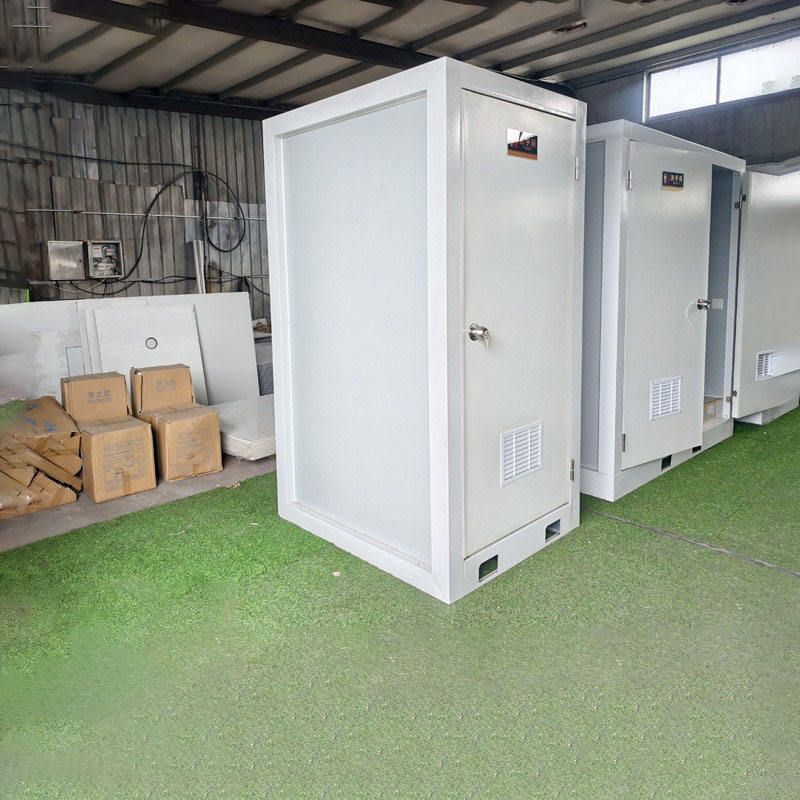
General Characteristics of Container Houses
Container houses are temporary or permanent buildings transformed from standard containers, featuring core advantages such as modularity, mobility, and environmental protection and energy efficiency. Their main structures are made of high-strength steel, providing wind resistance, earthquake resistance, and corrosion resistance, with a typical lifespan of 15-20 years. Internally, they can be renovated with thermal insulation materials and door and window systems to serve residential or office functions, and can be flexibly combined and expanded according to needs to form single-story or multi-story buildings.
Application Scenarios and Industry Standards
Container houses are widely used in fields such as temporary housing on construction sites, post-disaster reconstruction, commercial exhibition halls, and tourist homestays. Their designs must comply with national standards such as the 'Technical Specifications for Container Houses'. For example, structural safety must meet requirements for wind and snow loads, fire resistance ratings must reach above B1 level, and electrical wiring must be concealed or protected with flame-retardant sleeves. Additionally, environmental protection requirements are becoming increasingly stringent, with some regions mandating the use of recyclable materials and the installation of sewage treatment systems for container houses.
Considerations for Selecting Suppliers
When purchasing container houses, it is recommended to focus on the following aspects:
- Qualification Certification: Choose enterprises with qualifications such as professional contracting for steel structure engineering and ISO9001 quality management system certification;
- Material Quality: Confirm the thickness of steel (usually ≥2.5mm) and the grade of fireproof materials (e.g., rock wool density ≥100kg/m³);
- Customization Capability: Evaluate whether the enterprise can provide personalized designs for doors, windows, electrical circuits, and interiors according to needs;
- After-sales Service: Clarify the warranty period (generally 1-3 years) and response speed (e.g., on-site maintenance within 24 hours).
Risk Warning
It should be noted that some low-priced products may have issues such as cutting corners, such as using non-standard steel and reducing the thickness of fireproof layers, which can lead to structural deformation and fire hazards. It is recommended to prioritize brands with successful cases and good user reviews, and request third-party inspection reports.



