
Cylindrical Container House
No mature application cases of cylindrical container houses have been found in publicly available information. Their design requires breaking through the rectangular structural limitations of traditional containers and addressing technical challenges such as stability, space utilization, and transportation and installation.
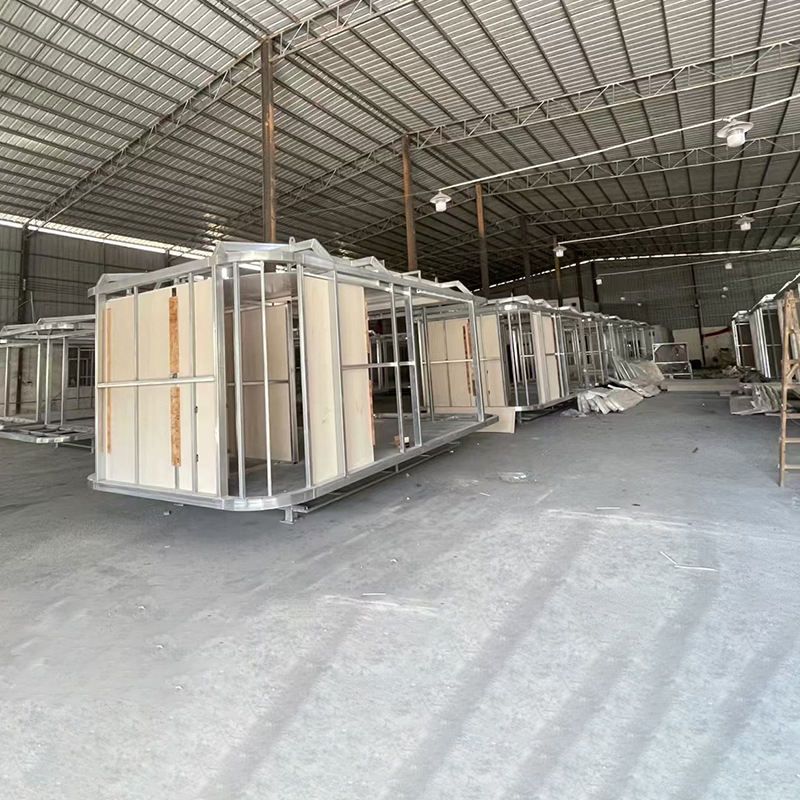
1. Conventional container houses are primarily rectangular Conventional container houses mostly adopt standard rectangular structures, such as 20-foot (length 6.06 meters, width 2.44 meters, height 2.59 meters) or 40-foot (length 12.19 meters, width 2.44 meters, height 2.59 meters) specifications. Such designs facilitate stacking, transportation, and modular combination, and have been widely used in residential, commercial, and temporary building applications. For example, a family home in Denmark renovated using nine containers and the healthcare facility project in Nepal both achieve functional requirements through the flexible assembly of rectangular containers.
2. Limitations of cylindrical container houses
- Structural stability: Cylindrical designs require recalculating mechanical properties such as wind resistance and earthquake resistance. The corrugated metal walls of traditional rectangular containers can disperse stress, while cylindrical designs require additional reinforcement to avoid local deformation.
- Space utilization: Cylindrical interiors are prone to creating dead corners, affecting furniture placement and movement planning. Rectangular structures can maximize space utilization and are suitable for standardized decoration.
- Transportation and installation: The existing container transportation system (such as trucks and cargo ships) is optimized for rectangular designs, while cylindrical containers require customized transportation tools, increasing costs.
3. Existing application scenarios for cylindrical containers Currently, only cylindrical cargo transportation container structures (Chuzhou Rongbang Intelligent Equipment Co., Ltd., 2020) have been found, but these are designed for specific cargo transportation, not residential purposes. Their technical focus is on internal support frames and cargo fixation devices, which cannot be directly converted into housing structures.
4. Alternative solutions and recommendations If pursuing a cylindrical architectural style, consider:
- Modular cylindrical unit combination: Use multiple small-sized cylindrical modules for assembly, but address waterproofing and insulation issues at the connections.
- Traditional building + cylindrical decoration: Add cylindrical decorative elements to the exterior of rectangular container houses, balancing structural safety and aesthetic requirements.
Conclusion: Cylindrical container houses are technically feasible, but require optimized designs to address stability, space, and transportation issues. Currently, there are no widely applied mature cases.



