
Custom Mobile Construction Site Toilet
When customizing mobile construction site toilets, it is necessary to comprehensively consider factors such as brand, type, material, functional configuration, and price.
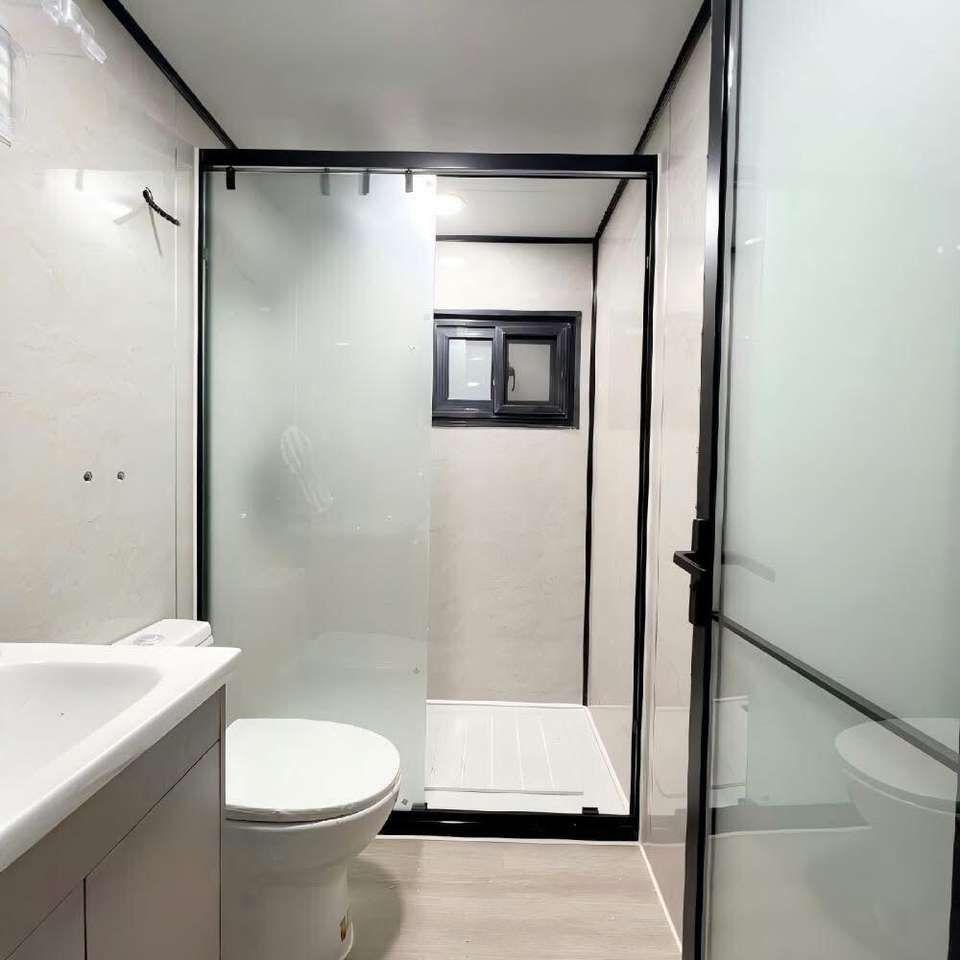
I. Brand and Manufacturer Selection Different manufacturers offer significantly different services. For example, Taihe Custom Mobile Toilet Manufacturer supports style customization (such as antique, modern minimalist, cartoon styles, etc.) and provides functional customization services. The finished products are shipped with fine decoration, enabling one-stop procurement. When selecting a brand, it is essential to pay attention to its production qualifications, case experience, and after-sales service capabilities. Priority should be given to enterprises with environmental certifications or good industry reputations.
II. Type and Material Adaptation
- Type Selection:
- Eco-friendly Toilets: These employ technologies such as biodegradation and foam sealing, making them suitable for areas with scarce water resources or ecological sensitivity.
- Container Toilets: Based on standard containers, they are structurally robust and can be rapidly deployed, suitable for temporary construction sites or emergency scenarios.
- Material Comparison:
- Steel Structures: High in strength and durability, but requiring anti-corrosion treatment, suitable for long-term use scenarios.
- Color Steel/Aluminum-Plastic Panels: Lightweight and low-cost, but with poor thermal insulation, suitable for short-term use or regions with mild climates.
- Stainless Steel/Fiberglass: Corrosion-resistant and easy to clean, suitable for chemical or coastal environments with high corrosivity.
- Anti-corrosion Wood: Natural in appearance, but requiring regular maintenance, suitable for scenic spots or places with high aesthetic requirements.
III. Functional Configuration and Sewage Disposal Methods
- Functional Modules:
- Basic configurations include lighting, ventilation, and sinks;
- High-end configurations can add air conditioning, smart sensing systems, and facilities for the disabled.
- Sewage Disposal Methods:
- Flush Toilets: Require connection to municipal sewage networks or equipped with septic tanks, offering high cleanliness but consuming large amounts of water.
- Waterless Suction Toilets: Collect feces through vacuum pumps or negative pressure systems, suitable for water-scarce areas.
- Recirculating Flush Toilets: Utilize a graywater recycling system to reduce water consumption.
- Dry Packing Toilets: Use biodegradable bags to collect feces, eliminating the need for sewage pipelines but requiring regular replacement.
IV. Price and Cost Analysis Prices are significantly influenced by materials, configurations, and leasing models:
- Leasing Model: For example, the rent for color steel plate mobile toilets is approximately 300 yuan per month, suitable for short-term projects.
- Purchase Model: The price of eco-friendly public toilets in scenic spots is about 99 yuan per square meter, while high-end smart toilets can reach 475 yuan per square meter.
- Customization Costs: Complex designs or special materials (such as stainless steel) will significantly increase the budget. It is necessary to balance one-time investment with long-term maintenance costs based on the project duration.
V. Customization Process Recommendations
- Clarify Requirements: Determine specifications based on the number of workers, usage duration, and environmental conditions at the construction site;
- Compare Plans: Request manufacturers to provide material samples, functional demonstrations, and sewage disposal plans;
- Acceptance Criteria: Focus on checking structural stability, airtightness, and compatibility of the sewage disposal system;
- Maintenance Plan: Agree on regular cleaning, consumable replacement, and fault response mechanisms.



