
Volver al blog
Artículo
Custom Dimensions and Specifications for Mobile Toilets
Admin 07 de octubre de 2026
The custom dimensions and specifications for mobile toilets should be comprehensively designed based on the usage scenario, functional requirements, and industry standards. Common types and specifications are as follows:
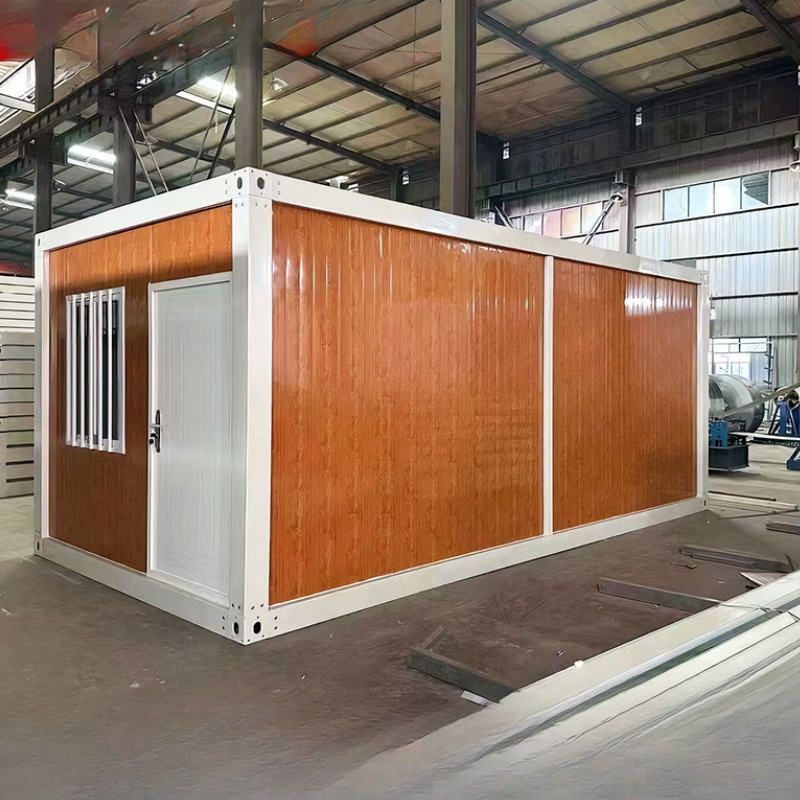
I. Common Types and Basic Dimension Ranges
Single-Compartment Mobile Toilet
- Basic Dimensions: Length 1.2-1.5 meters, width 1.0-1.2 meters, height 2.2-2.5 meters, suitable for construction sites, small events, etc.
- Extended Specifications: Some products offer dimensions such as 120cm×150cm×280cm, 120cm×180cm×280cm, and 130cm×180cm×280cm, supporting further customization based on needs.
Double-Compartment Mobile Toilet
- Basic Dimensions: Length 2.4-3.0 meters, width 1.2-1.5 meters, height 2.2-2.5 meters, suitable for large events, tourist attractions, etc.
- Special Specifications: Some prefabricated products offer dimensions of 2.5 meters×6.5 meters, with three independent spaces inside to meet the needs of multiple people using simultaneously.
Multi-Functional Mobile Toilet
- Basic Dimensions: Length 3.0-4.5 meters, width 2.0-2.5 meters, height 2.5-3.0 meters, suitable for high-end events, long-term fixed locations, etc.
- Functional Expansion: Can integrate barrier-free facilities, baby care rooms, management rooms, etc., with dimensions adjusted according to functional modules.
II. Core Design Points
Ergonomic Standards
- Toilet Compartment Width: The width of a single toilet compartment should be no less than 0.9 meters to ensure comfort.
- Sink Height: It is recommended to be 0.8-0.9 meters to accommodate different user habits.
Materials and Structure
- Lightweight Design: Use lightweight and high-strength composite materials such as fiberglass to reduce weight and facilitate transportation.
- Waterproofing and Drainage: A drainage system should be designed at the bottom, and waterproof materials (such as PVC panels, stainless steel) should be used on the walls to prevent leakage.
Environmental Protection and Compliance
- Industry Standards: Must comply with the regulations in the Urban Public Toilet Design Standard (CJJ 14-2016), including ventilation, lighting, sewage discharge, etc.
- Regional Differences: Some regions have additional requirements for dimensions and environmental performance (such as sewage treatment methods), which need to be confirmed in advance.
III. Precautions
- Transportation Restrictions: Custom dimensions should consider road height restrictions (usually below 4.5 meters) and width restrictions (usually below 3.5 meters) to avoid inability to pass.
- Installation Conditions: The installation ground should be flat and solid to avoid structural damage or inconvenience in use due to tilting.
- Maintenance Requirements: Regularly inspect the drainage system, ventilation equipment, and seals to ensure normal functionality.
Summary: The customization of mobile toilets requires balancing functional requirements, space efficiency, and compliance. It is recommended to choose basic specifications or extended designs based on specific scenarios and consult professional manufacturers first to ensure the feasibility of the plan.
Relacionados



