
Corrugated Container House
A corrugated container house is a temporary or permanent building centered around a steel structural frame and corrugated cladding panels, featuring mobility, rapid assembly, and cost-effectiveness. The following provides an introduction from the perspectives of structure, types, application scenarios, and purchasing considerations:
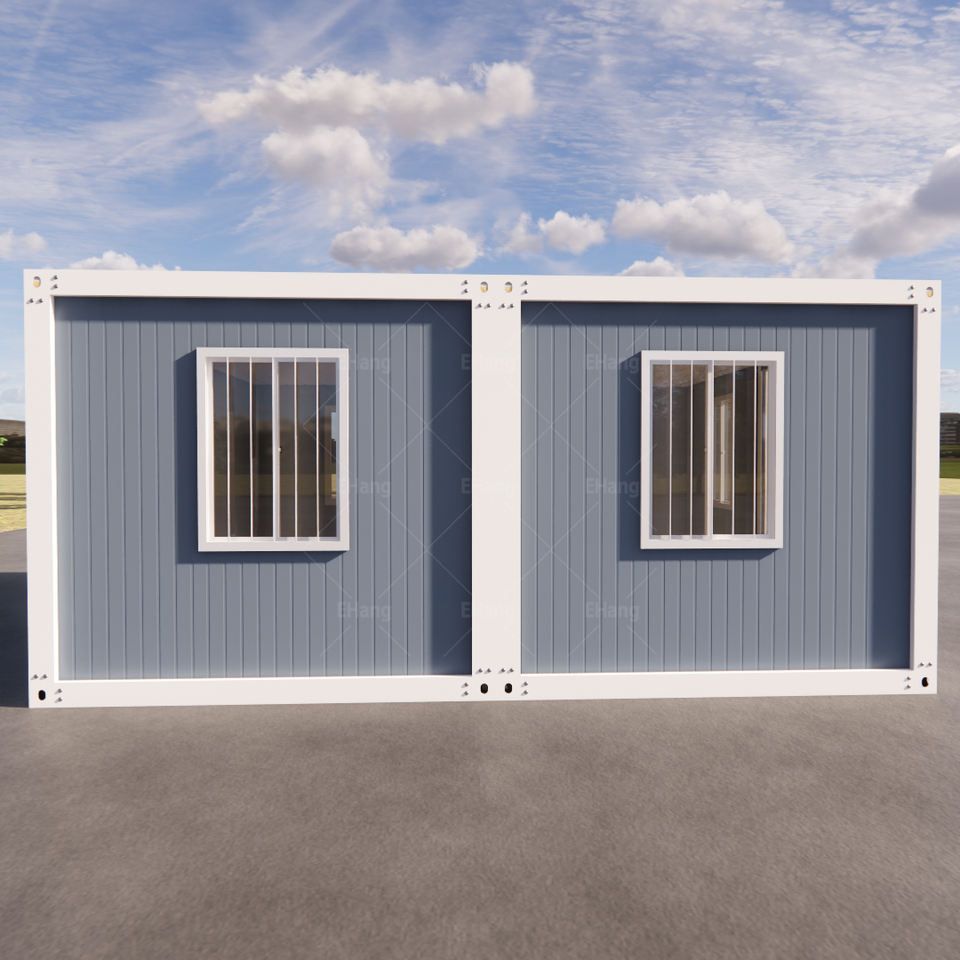
Structural Composition
The main structure of a corrugated container house is a steel structural frame, paired with corrugated cladding panels (such as corrugated sheets and color-coated steel sheets). For example, a combination of 0.8-millimeter-thick corrugated steel sheets and 100-millimeter rock wool sandwich panels can meet insulation requirements in environments as cold as -30℃. Its design employs an air-insulated structure, offering excellent sound insulation and thermal insulation performance, along with safety features such as wind resistance, earthquake resistance, and fire resistance.
Types
Based on structure and purpose, corrugated container houses mainly fall into two categories:
- Welded Box (Large Corrugated Residential Container): The entire box body is fully welded, resulting in a robust and durable structure with relatively low cost. It is suitable for scenarios such as worker dormitories and temporary warehouses. During transportation, it can be directly hoisted as a whole, ensuring high turnover efficiency.
- Packing Box (Quick-Assembly Box): Featuring a modular assembly structure, it is easy to disassemble and reassemble, allowing for repeated turnover. With a neat appearance, it is commonly used for office buildings in construction project departments or double-story office areas.
Application Scenarios
Due to advantages such as mobility, no need for foundation, and short manufacturing lead time, corrugated container houses are widely used in:
- Infrastructure Construction: Providing temporary living and office spaces for railway, highway, and municipal engineering projects.
- Commercial Use: Personalized spaces such as trendy shops, tea houses, coffee shops, and creative markets.
- Public Facilities: Gatehouses, tea rooms, first-aid stations, and temporary warehouses.
- Disaster Relief and Emergency Response: Rapidly constructed temporary shelters in flood control and earthquake relief efforts.
Purchasing Considerations
- Material and Workmanship: Prioritize galvanized steel for strong corrosion resistance and a service life of over 20 years. Pay attention to the firmness of the welding process and whether the panel thickness meets requirements (e.g., rock wool sandwich panels for scenarios with high insulation needs).
- Functional Requirements: Choose the type based on the purpose. For long-term relocation projects, packing boxes are recommended, while welded boxes are suitable for scenarios with limited budgets and simple accommodation needs.
- Customization Services: Support customization of size, shape, and functions (such as pitched roofs and additional windows) to meet personalized needs.
- Service Guarantee: Select a one-stop supplier that provides transportation, installation, and after-sales maintenance to ensure worry-free use.



