
Container Underwater House
Currently, there are no mature and widely applied cases of container underwater houses, but theoretically, underwater living functions can be achieved through specific modifications.
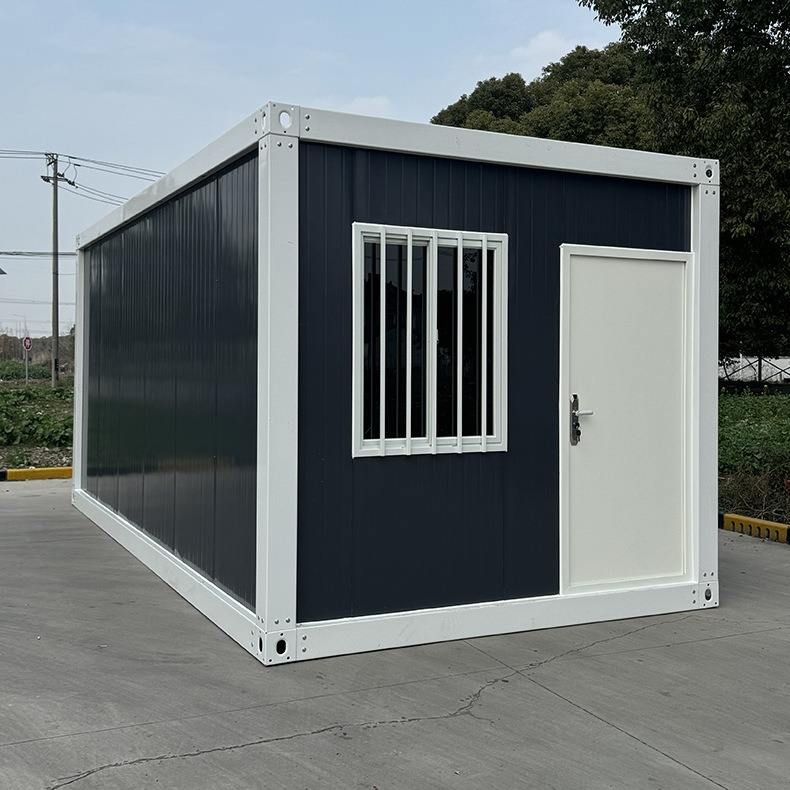
Feasibility Basis for Modifying Containers into Underwater Houses
Containers are made of steel structures and possess a certain degree of strength and airtightness. Theoretically, they can be modified to meet the requirements of underwater environments. For example, in hardcore DIY cases, some people have attempted to modify containers into underwater residences. Although the technical details have not been elaborated, it indicates the existence of such explorations. Additionally, container modular construction technology provides a technical foundation for underwater modifications. For instance, Baotou Camp Container House Company conducts secondary design and system integration of containers to solve issues such as corrosion resistance, load-bearing capacity, and thermal insulation. These technologies can be partially applied to the modification of underwater houses.
Key Issues to Be Solved in Modifying Containers into Underwater Houses
- Waterproofing and Airtightness: Containers need comprehensive waterproofing treatment, including welding joints, door and window gaps, etc., to prevent water infiltration caused by underwater high pressure. Container waterproofing techniques can be referenced, such as applying waterproof glue on the roof and attaching waterproof boards on the inner side, but these need to be reinforced for underwater high-pressure environments.
- Structural Strength: Underwater environments involve water pressure and water flow impacts, so the container structure needs to be reinforced, such as by adding internal support frames and using high-strength steel, to ensure stability underwater.
- Ventilation and Oxygen Supply: Underwater houses need to solve ventilation problems. This can be achieved by installing ventilation pipes connecting to above the water surface or using air circulation systems to ensure indoor air quality. At the same time, oxygen supply equipment such as oxygen tanks or oxygen generators needs to be equipped to meet the breathing needs of occupants.
- Energy Supply: Underwater houses require an independent energy system, such as solar panels and small generators, to provide power for lighting, ventilation, oxygen supply, and other equipment. Solar panels can be installed above the water surface and connected to the underwater house via cables.
Application Prospects and Challenges of Container Underwater Houses
Currently, container underwater houses are mostly in the conceptual or experimental stage. Practical applications need to overcome challenges in technology, cost, safety, and other aspects. However, with the development of material science and engineering technology, more mature underwater living solutions may emerge in the future.



