
Container-Type Mobile Modular Housing
Container-type mobile modular housing is a movable, reusable modular building product with features such as a sturdy structure, diverse functions, and wide applications.
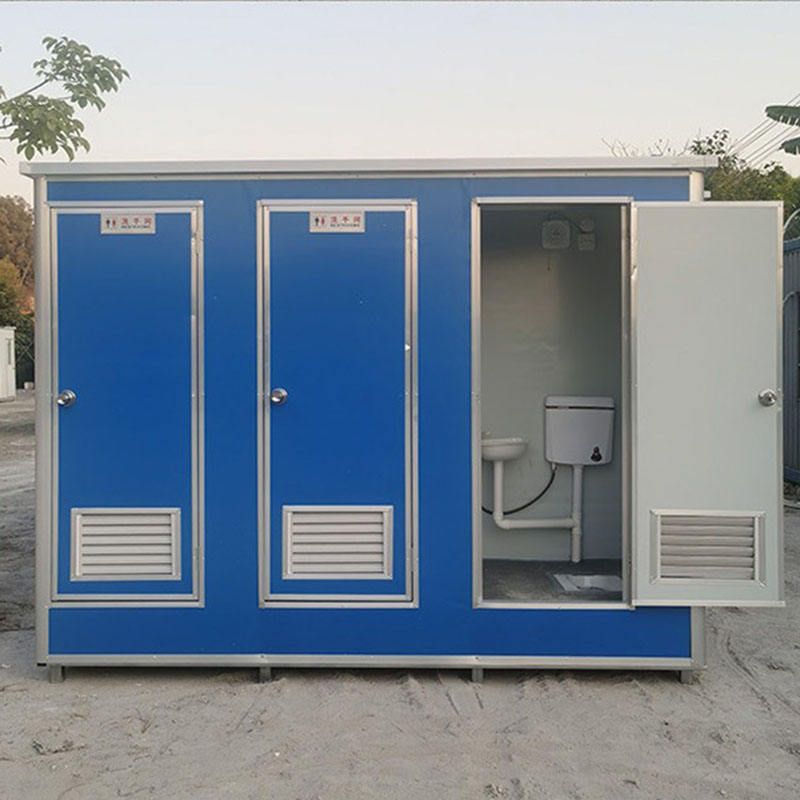
1. Structure and Materials
Container-type mobile modular housing uses a steel frame as its core structure, employing bolt connections. The main body is made of steel, with outer walls covered in steel plates, sandwich panels, or color-coated steel sheets. This design provides wind, earthquake, and corrosion resistance, with a service life of over 20 years. The steel frame ensures overall structural stability and can adapt to load requirements in different environments, such as areas with strong winds or earthquakes. The choice of outer wall materials balances durability and lightweight properties. For example, sandwich panels enhance thermal insulation through internal insulation layers, while color-coated steel sheets offer a variety of appearance options.
2. Classification and Forms
Based on structural differences, these products can be divided into three categories:
- Traditional Container-Modified Box Houses: Built by modifying standard shipping containers, retaining the original frame while optimizing interior space.
- Newly Welded Box-Type Mobile Homes: Constructed using newly welded steel, offering a more flexible structure with customizable dimensions.
- Demountable Box-Type Mobile Homes: Modular in design, with components that can be disassembled and reassembled for easy transportation and reuse.
In terms of styles, they include prefabricated, simple mobile homes, and foldable types, supporting stacking (usually up to 3 layers) to significantly save space. For example, foldable products can be reduced to 1/5 of their expanded volume when folded, allowing 10 modules to be transported in a single container, greatly reducing logistics costs.
3. Functional Characteristics
- Quick Installation: Short manufacturing periods and no need for foundations. Some foldable products can be expanded and secured by just two workers in 30 minutes, making them suitable for emergency scenarios.
- Portability: Transportation volume can be compressed to less than 50% of the original volume, with foldable products further optimizing space utilization.
- Sound and Thermal Insulation: Air-gap thermal design effectively blocks heat transfer, with sound insulation meeting daily needs.
- Aesthetics: Diverse outer wall patterns support personalized design, allowing integration into different environmental styles.
4. Application Scenarios
Widely used in temporary office spaces, tourist resort homestays, emergency rescue, commercial pop-ups, and other fields. For example, the foldable container houses from Suzhou Zhongnan Steel Structure Co., Ltd. have performed outstandingly in emergency rescue, capable of quick deployment and adapting to handling needs in remote areas without lifting equipment. Additionally, overseas engineering camps, smart waste stations, and other scenarios prioritize these houses due to their low cost and high safety.
5. Market and Policies
Since China adopted the "Implementation Plan for Carbon Peaking in the Urban and Rural Construction Sector" in 2022 to promote prefabricated building development, Wen'an County in Hebei Province has formed an industrial cluster, with the development of "space capsule" smart box-type houses already in use. After the reform and opening up, the demand for temporary buildings in construction sites and rail transit sectors surged, leading to a significant increase in the usage rate of container-type houses due to their low cost and improved comfort.



