
Volver al blog
Artículo
Container Shop Mobile House
Admin 15 de septiembre de 2026
A container shop mobile house is a movable commercial space formed by structural modification and interior decoration using standard or customized containers as carriers. It features modularity, reusability, a short construction period, and strong scene adaptability. The following elaborates on it from four aspects: structural types, core advantages, application scenarios, and selection considerations.
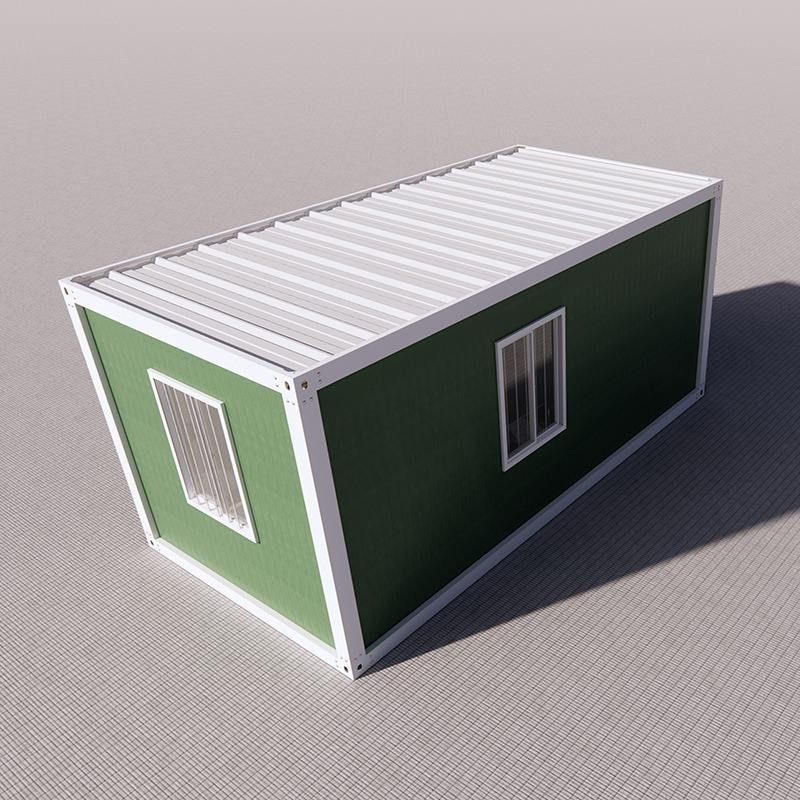
Structural Types and Modification Methods
The basic carriers of container shop mobile houses are standard containers (such as 20-foot and 40-foot ones) or customized containers. There are three modification methods to achieve functional upgrades:
- Structural Reinforcement and Expansion: Thickened steel is used to strengthen the container frame, and side or end expansion cabins are added (increasing the usable area by 30%-50% after expansion), solving the problem of limited space in traditional containers. For example, an expanded container shop with a side-flip design can form an independent business area when unfolded, suitable for long-term on-site commercial scenarios.
- Modular Assembly: Using light steel keels and color-coated steel sheets as auxiliary structures, multiple containers are assembled horizontally or vertically to form double-decker commercial streets or large-scale commercial clusters. For example, container commercial streets in cultural and tourism towns often adopt a layout of "single containers as shops and multiple containers as buildings" to meet the needs of various business formats such as catering, retail, and cultural and creative industries.
- Functional System Integration: Insulation and heat insulation rock wool, double-glazed tempered glass, water and electricity pipelines, ventilation systems, etc., are embedded in the containers to solve the problems of stuffiness, poor sound insulation, and unsuitability for long-term operation in traditional containers. For example, a container shop produced by a company in Suzhou reduces the indoor temperature difference to ±5℃ and achieves a sound insulation effect of over 40 decibels by filling 100mm-thick rock wool.
Core Advantages
- Movability and Reusability: The container structure supports overall hoisting and transportation, allowing it to be relocated to a new site without disassembly. It can be disassembled and reassembled more than 8 times, reducing construction waste emissions by 90% compared to traditional civil engineering, which is in line with low-carbon circular economy policies.
- High Construction Efficiency: Prefabricated production in factories and modular assembly on-site shorten the construction period by more than 60% compared to traditional commercial streets. For example, a project in Shanghai completed the delivery of 30 container shops in 15 days, while it would take more than 3 months for civil engineering of the same scale.
- Strong Scene Adaptability: Through personalized designs such as exterior facade painting, special-shaped modeling, and ambient lighting, it can create differentiated scenes such as trendy internet celebrity style, literary and retro style, and simple and light luxury style, adapting to diverse scenarios such as cultural and tourism towns, creative parks, night market business districts, and camping bases.
Application Scenarios
- Cultural and Tourism Commerce: As supporting shops in scenic spots, they provide cultural and creative retail and specialty catering services, such as container tea houses in Huangshan Scenic Area and container handicraft shops in Chengdu's Kuanzhai Alley.
- Commercial Pop-ups: Used for brand activities and festival markets, such as Starbucks container coffee houses and Nike container pop-up stores, attracting customers with their high-value appearances.
- Emergency Support: In natural disasters or emergencies, they serve as temporary commercial service points, such as container supermarkets deployed after the Wenchuan earthquake and mobile convenience stores during the epidemic.
- Long-term Operation: Through structural reinforcement and functional upgrades, they meet the needs of long-term business operations, such as container homestay clusters in Sanya, Hainan, and container creative office areas in OCT, Shenzhen.
Selection Considerations
- Structural Stability: Give priority to products with all-steel structural frames and weld strengths that meet the GB/T 19001-2016 standard, with a wind resistance rating of at least 12 and an earthquake resistance rating of at least 8 to avoid deformation or collapse under extreme weather conditions.
- Compliance: Check the manufacturer's qualifications (such as ISO9001 certification), domestic and foreign certifications (such as CE certification), and cross-border export qualifications to ensure that the products comply with building safety regulations.
- Customization Capability: Choose manufacturers that can customize painting, modeling, and interior layouts according to the commercial theme, such as supporting personalized designs such as special-shaped cutting, observation decks, and advertising light boxes.
- Cost-effectiveness: Comprehensively evaluate the total life-cycle cost of the product, including procurement price, transportation and storage costs, disassembly and assembly losses, and operation and maintenance costs, and give priority to products with a high number of reuses and low maintenance costs.
Relacionados



