
Container Renovation Equipment
The selection of equipment for container-renovated houses should consider functional requirements, scenario adaptability, and compliance, with core equipment covering three categories: structural renovation, functional integration, and environmental protection treatment.
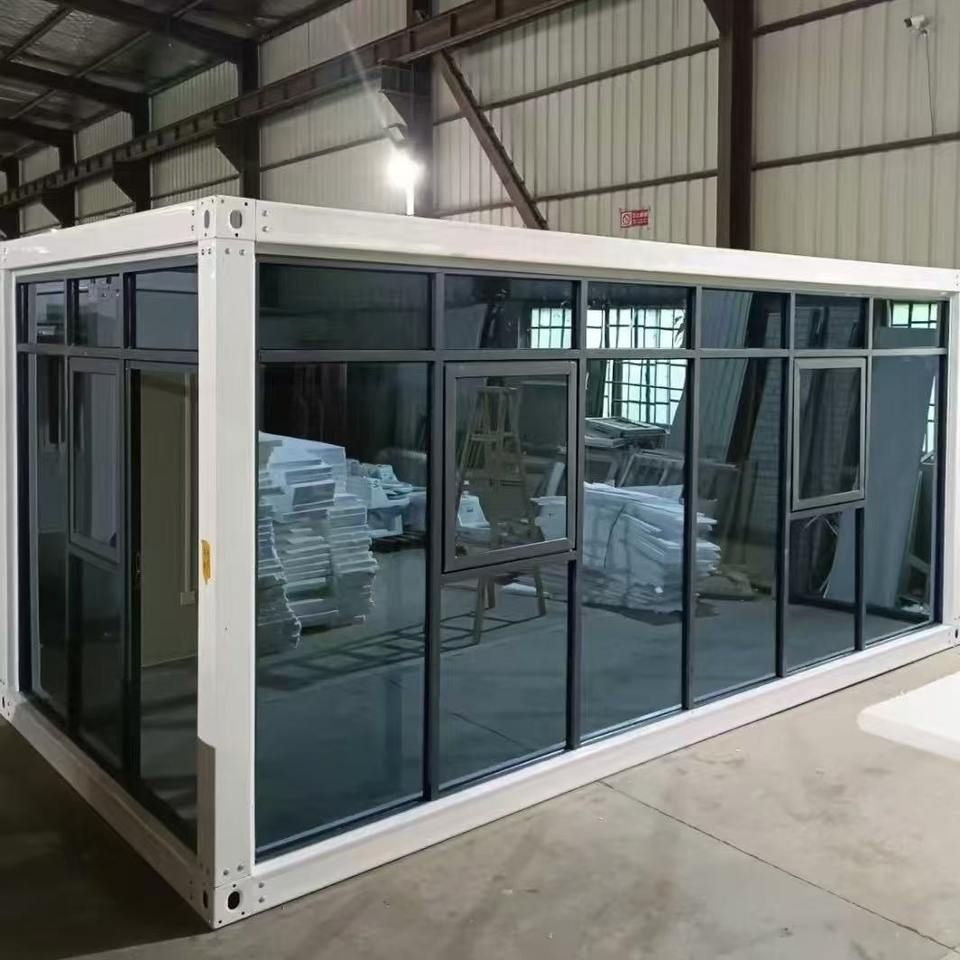
1. Structural Renovation Equipment
The foundation of container renovation is structural optimization, which requires professional equipment to achieve space expansion and load-bearing enhancement. Hydraulic automatic unfolding structures are the top choice for emergency scenarios. For example, the foldable containers from Suzhou Zhongnan use such equipment, allowing a single person to complete unfolding and fixation in just 5 minutes, far more efficient than manually assembled products. For scenarios requiring expanded usable area, dual-wing expansion devices enable space conversion between transportation and usage states. For instance, in a Chilean project, a 20-foot dual-wing expansion container provided an indoor area of 36㎡ after unfolding, balancing transportation efficiency and living needs. Additionally, steel frame reinforcement equipment (such as the addition of C-shaped steel purlins) can address the issue of insufficient floor stiffness caused by the large spacing between longitudinal beams in the bottom frame of traditional containers, enabling the stacking of three containers while maintaining structural stability.
2. Functional Integration Equipment
Functional integration is the core of container renovation, requiring equipment to be configured according to usage scenarios. Thermal insulation systems should adopt a broken-bridge lining structure, which involves filling hard polyurethane foam between the steel frame and interior wall panels and adding rubber thermal insulation pads, reducing heat exchange efficiency between the interior and exterior of the container by about 40% to meet usage needs in extreme climates. Pre-embedded water and electricity piping equipment is crucial for industrial production, requiring the integration of bathroom waterproofing, sanitary fixtures, cabinets, wardrobes, and other modules during the factory stage to reduce on-site construction. For temporary commercial scenarios, quick-connect interfaces enable modular assembly of multiple containers, shortening project startup cycles. Furthermore, self-circulating sewage treatment systems (such as sewage collection tanks, gravity separators, and microbial agent treatment devices) can achieve a water self-sufficiency rate of over 70%, suitable for wilderness campsites without water or electricity.
3. Environmental Protection Treatment Equipment
Environmental protection is an important indicator of container renovation, requiring equipment to achieve material recycling and pollution control. Shot blasting and painting equipment can form a protective system of zinc-rich primer and polyurethane topcoat, enabling steel to maintain effective service life for over 15 years in northwest windy and sandy environments with temperature variations, reducing resource waste. Construction waste treatment equipment must meet the requirement of controlling disassembly loss rate within 5%. Compared to traditional prefabricated houses, which require replacing a large number of panels each time they are disassembled, the modular relocation method significantly reduces construction waste generation. For export projects, international certification testing equipment (such as CE and ISO certifications) can ensure products comply with target market regulations, avoiding customs seizure risks.



