
Container Renovated Housing Abroad
The application of container-renovated housing abroad has diversified into various scenarios, including temporary accommodations for events, cultural tourism homestays, engineering camps, and data centers, with core advantages in modular design, rapid deployment, and low-carbon recycling.
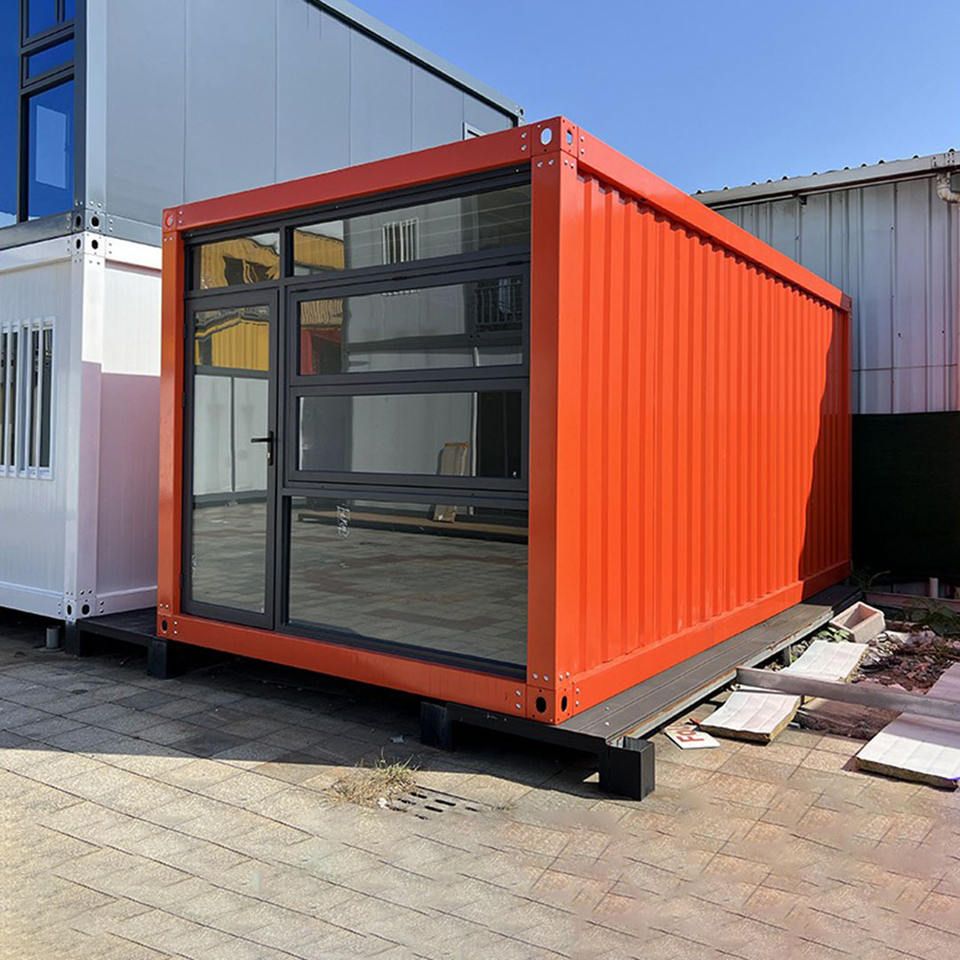
I. Temporary Accommodation Solutions for Large-Scale Events
The Nagoya Asian Games adopted container housing to reduce costs, accommodating approximately 2,000 athletes and team officials. These houses, based on modular design, each unit covering about 35 square meters, include four beds and sanitary facilities, and are quickly assembled after factory prefabrication. Despite limited space, they meet basic accommodation needs during the event and cost significantly less than newly built permanent structures. This application demonstrates the cost-effectiveness and flexibility of container housing in short-term, high-density demand scenarios.
II. Cross-Border Expansion in Cultural Tourism and Commercial Scenarios
Domestic enterprises have developed "double-wing folding houses" and modular space capsules, reducing shipping costs through foldable designs and enabling assembly by two people in four days. These products have been applied in overseas cultural tourism projects, such as homestays and mobile commercial entities. Their core advantages include:
- Standardized Modules: The main structure, plumbing, and interior decoration are completed in the factory, requiring only assembly on-site;
- Scenario Adaptability: Through customizable exteriors and functional modifications, they cater to diverse needs such as engineering camps and emergency support;
- Reusability: Leading products can be disassembled and reused an average of over eight times, reducing construction waste by approximately 90%.
III. Mainstream Choice for Global Engineering Camps and Cross-Border Projects
According to the General Administration of Customs, China's export value of prefabricated buildings increased by 45% year-on-year in the first half of 2026, with steel-structured modular housing being the primary export. These houses are widely used in overseas engineering camps, for example:
- MRDC Hotel Project in Papua New Guinea: The modular solution shortened the delivery cycle from 14-18 months to 7 months;
- UK Senior Living Apartment Project: The assembly of 63 modules from shipment to completion took only two weeks. Their competitiveness stems from supply chain integration capabilities—steel structures, doors, windows, and sanitary ware are efficiently matched within industrial clusters, significantly reducing labor and material costs.
IV. Innovative Applications in Emerging Fields such as Data Centers
The combination of modular construction and AI computing infrastructure has given rise to prefabricated modular data centers. For example:
- Malaysia 2312 Project: The world's first ultra-large prefabricated modular data center, with a construction period of less than 10 months, nearly half that of traditional methods;
- CIMC Group Business: In the first half of 2026, revenue from modular data centers increased more than fivefold year-on-year, with manufacturing bases expanded to three coordinated mass production sites. These applications leverage the standardized transportation unit characteristic of containers to achieve rapid deployment and scalable replication.



