
Sea Transportation of Container Movable Houses
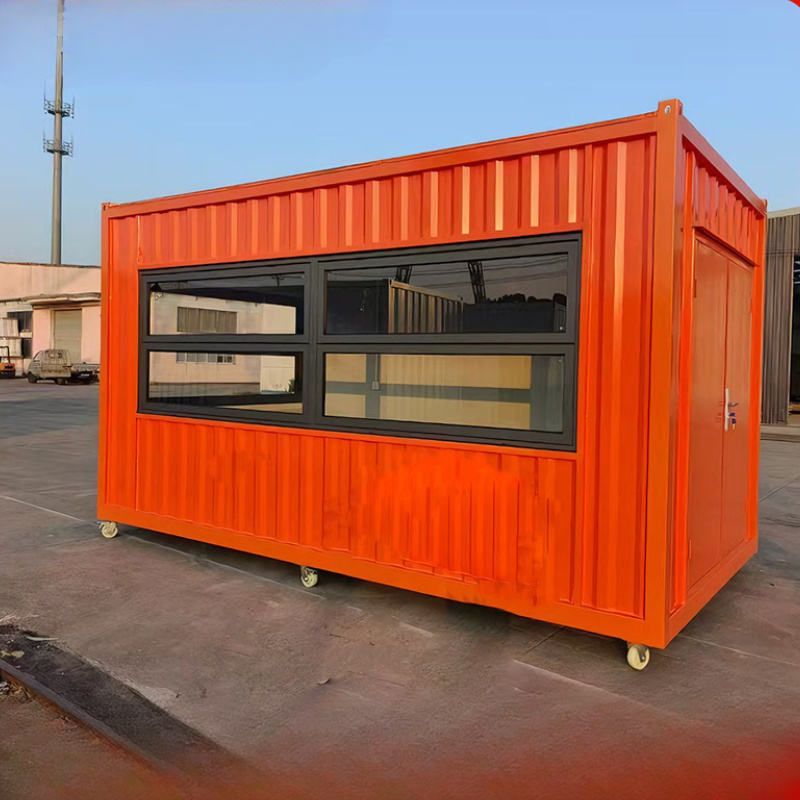
For the sea transportation of container movable houses, it is essential to select a logistics supplier with professional operational experience and qualifications to ensure transportation safety and efficiency. The sea transportation of container movable houses mainly falls into three categories: container houses modified from retired shipping containers, brand-new welded box-type movable houses, and detachable box-type movable houses. These three types of houses differ from standard shipping containers in terms of structure, size, and transportation requirements, necessitating targeted operational capabilities from logistics suppliers.
1. Professional and Adaptive Transportation Solution Design
Houses modified from retired shipping containers are typically based on decommissioned containers and may have weaker structural strength than standard containers, requiring reinforcement for long-distance sea transportation. Brand-new welded box-type movable houses are often custom-designed and may exceed the dimensions of standard containers, necessitating coordination for special transportation vehicles. Detachable box-type movable houses need to be disassembled for transportation and reassembled upon arrival at the port, with solution design covering the disassembly and assembly processes, component fixation, and assembly instructions. Logistics suppliers need to develop differentiated solutions based on the type of house. For example, Qingdao Zhanhuawei International Logistics Co., Ltd. can provide full-process design from factory departure to destination, including transportation route planning, loading method optimization, and emergency plan formulation.
2. Strict Safety Control During Transportation
Container movable houses must be protected from structural deformation, component detachment, or damage during transportation. Modified traditional containers require inspection of reinforcement points for firmness to prevent weld cracking due to wave impact. Welded box-type houses must ensure balanced weight distribution to prevent tipping over. Components of detachable houses need to be classified and fixed to prevent mutual collisions. Professional logistics companies adopt customized lashing solutions, such as using specialized corner fittings, straps, or air cushions for fixation, and equip real-time monitoring devices to track transportation status.
3. Familiarity with International Regulations for Customs Clearance
Different countries have varying regulatory requirements for the import of temporary buildings, such as the need to provide certificates of origin, material inspection reports, and safety certifications. Detachable box-type movable houses may be classified as 'loose parts transportation' and require separate declaration for each component. Welded box-type houses exceeding size limits need prior application for oversize permits. Professional logistics teams can assist in preparing complete documentation and coordinating customs inspection procedures to avoid port delays due to missing documents or incorrect classification.
When selecting a logistics supplier, it is crucial to focus on examining their operational experience, service network, and qualification certifications, such as whether they possess Non-Vessel Operating Common Carrier (NVOCC) qualifications and are familiar with the customs clearance policies of the destination country, to ensure the entire process of sea transportation for container movable houses is efficient and controllable.



