Container Modular House
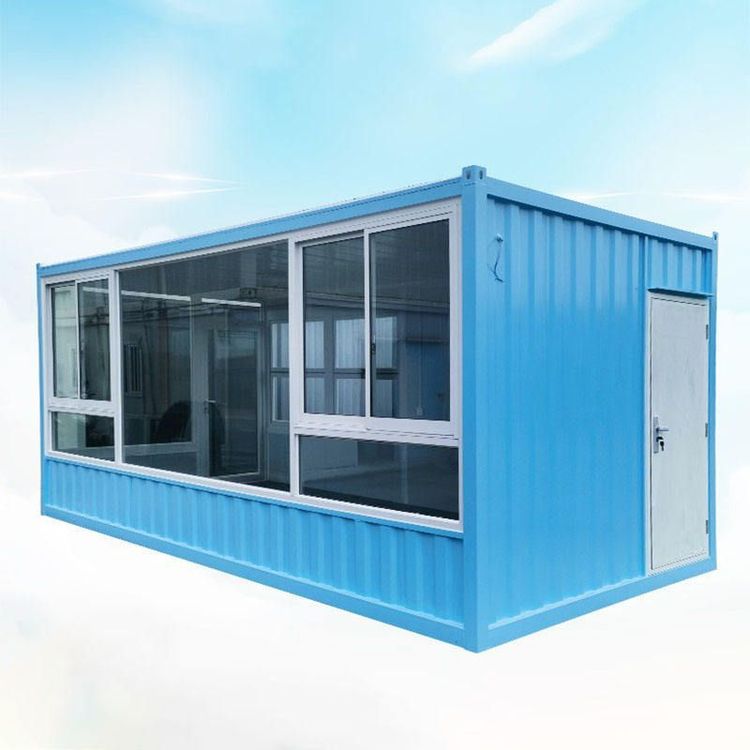
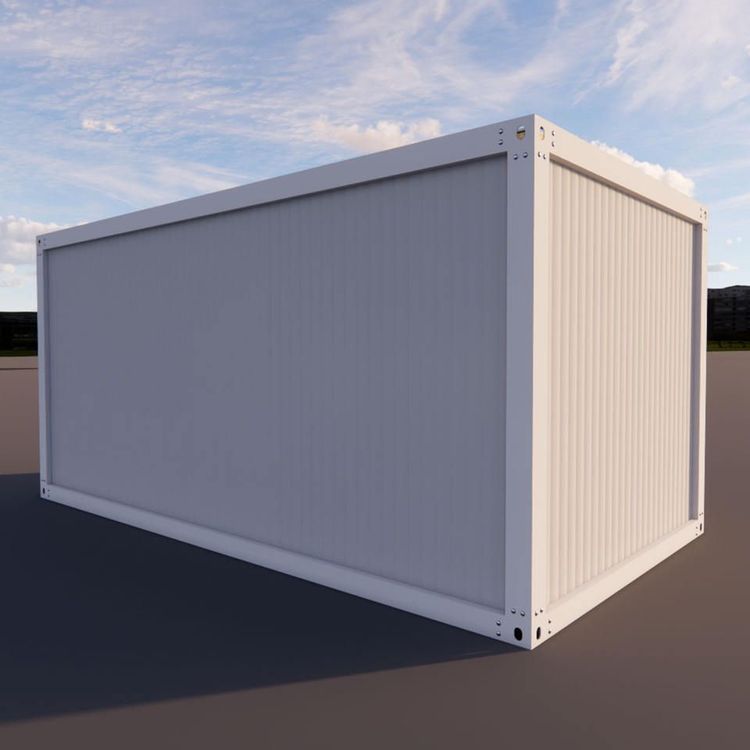
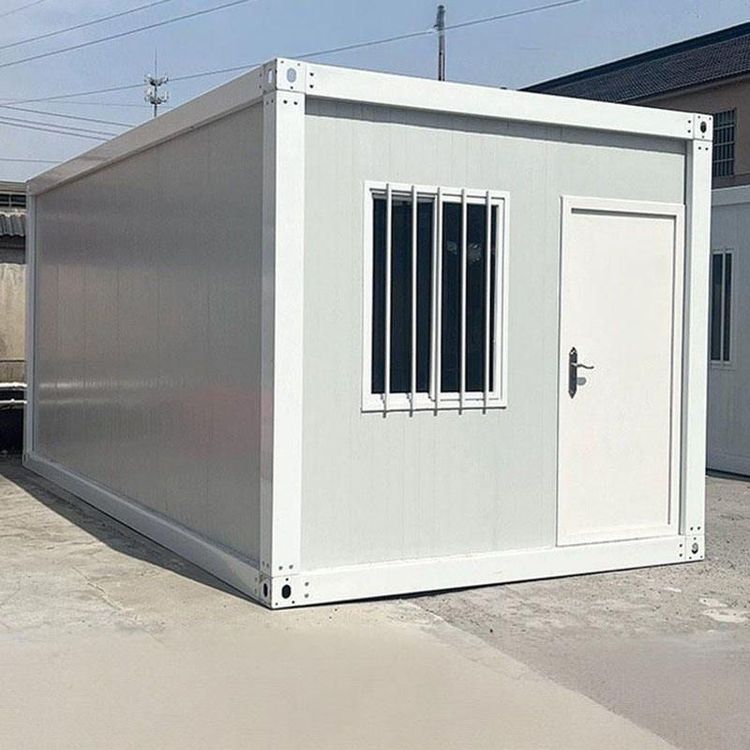
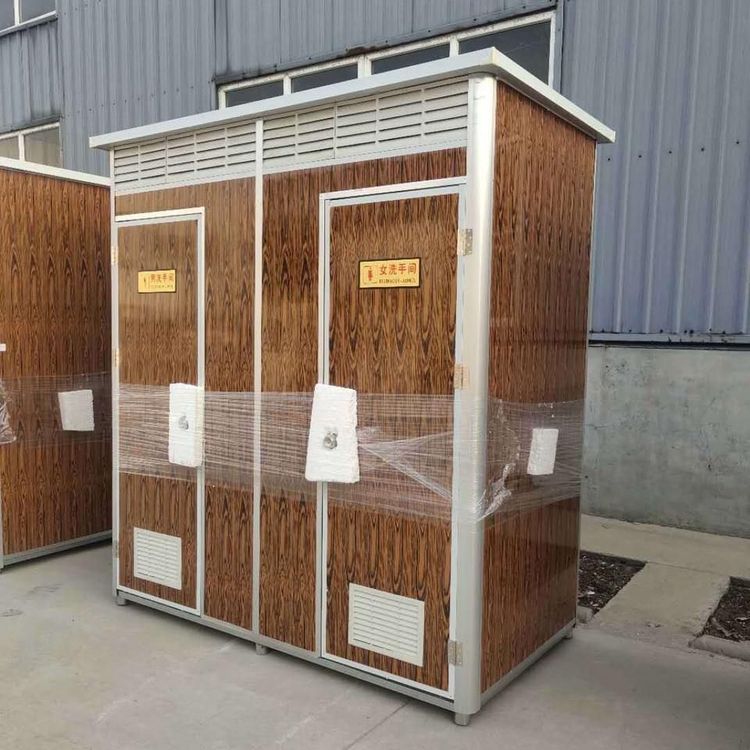
A container modular house is a building form that uses modular design to flexibly assemble multiple container units on-site, creating different functional spaces.

I. Assembly Methods and Flexibility The core advantage of container modular houses lies in their modular assembly capabilities. Different containers can be horizontally assembled or vertically stacked to freely form functional spaces such as office areas, dormitory areas, and reception areas. For example, the quick-assembly containers from Suzhou Zhongnan support on-demand assembly, enabling the construction of 10 standard dormitory units in just one day. In the hotel project in Papua New Guinea, CIMC Modular Building Systems shortened the overall delivery cycle to seven months through modular assembly. This assembly method not only improves space utilization but also allows for rapid layout adjustments based on needs, adapting to diverse scenarios such as engineering camps, cultural and tourism accommodations, and emergency support.
II. Structural Stability and Safety The structural stability of assembled houses depends on the frame material and connection process. A fully steel structural frame (such as that of Suzhou Zhongnan's products) exhibits a deformation of only 2 mm under 12-level strong winds, well below national standards. In contrast, a semi-welded, semi-bolted connection structure (such as that of CIMC's products) has a slightly higher probability of bolt loosening after long-term use. Additionally, modular buildings are connected with high-strength bolts throughout the structure, enabling resistance to strong typhoons and high-level earthquakes, in compliance with international building codes. For example, the modular houses from China Construction Steel Structure have passed three certifications, ensuring compliance in welding quality, building systems, and full product processes.
III. Installation Efficiency and Cost Advantages Compared to traditional buildings, container modular houses significantly shorten construction periods. The quick-assembly containers from Suzhou Zhongnan require only two hours for a single unit installation, while CIMC's standard containers take three hours, whereas traditional building projects can last for years. This efficiency improvement stems from the “factory prefabrication + on-site quick assembly” model, where over 80% of the processes are completed in the factory, leaving only module assembly and utility connections for the site. In terms of costs, modular buildings reduce labor and material expenses. For example, labor accounts for 40% of costs in traditional buildings in Europe and the United States, whereas modular construction typically requires only about 45 on-site personnel.
IV. Reusability and Environmental Friendliness Container modular houses support multiple disassembly and reassembly cycles, with leading compliant products averaging over eight disassembly cycles and reducing construction waste emissions by approximately 90% compared to traditional temporary buildings. For example, the quick-assembly containers from Suzhou Zhongnan have been reused over 15 times, with the cost per use being only one-third of that of a new product. This low-carbon attribute aligns with global green construction trends, making it a key driver of demand growth in overseas markets.