
Container Mobile House Repair
The repair of container mobile houses requires targeted treatment based on structural, material, and functional requirements, with core steps including structural reinforcement, material repair, functional optimization, and compliance modification.
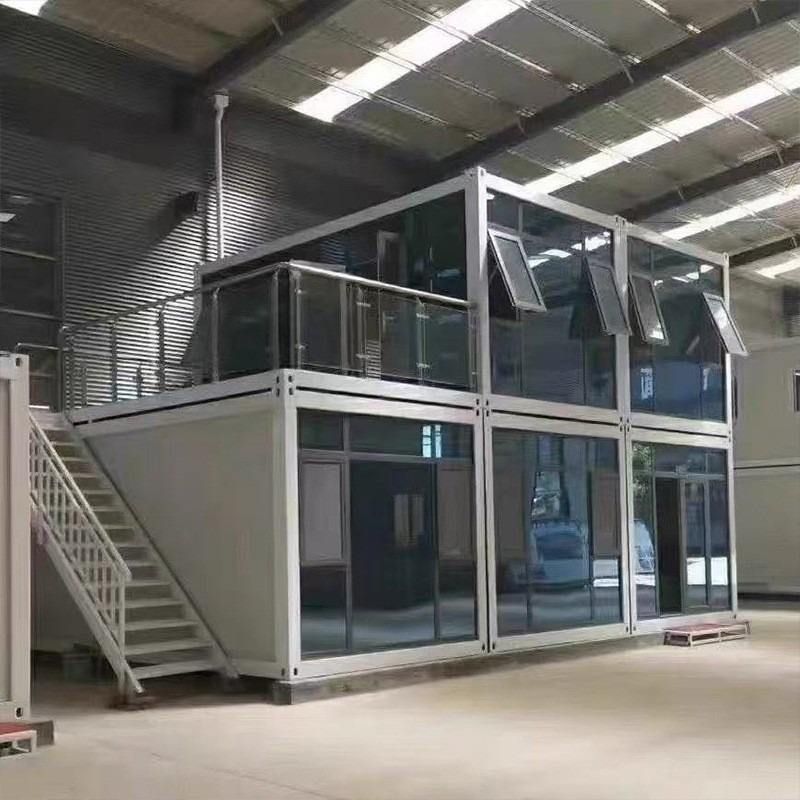
1. Structural Reinforcement and Stability Repair
Container mobile houses are primarily made of steel structures. During repair, it is essential to first inspect the integrity of the steel frame. If there is deformation, corrosion, or weld cracking, hot-dip galvanized steel should be used to replace damaged components, and stability should be restored through mortise-and-tenon joints or high-strength bolt fastening techniques. For example, Zeyu Container Houses extend their service life to over 25 years through dual anti-corrosion treatment with “hot-dip galvanizing + electrostatic spray painting.” Their steel frame nodes are fastened with high-strength bolts, allowing for disassembly and reuse, making them suitable for multiple installation and removal scenarios. For seismic requirements, it is necessary to ensure that the steel structure meets the seismic standards for engineering camps or emergency support scenarios, adding transverse bracing or shock absorbers if needed.
2. Material Repair and Durability Enhancement
Wall material repair should be selected based on the original material:
- Color-coated steel walls: If corrosion or dents occur, the rust layer should be removed, filled with epoxy resin adhesive, and reinforced with a galvanized steel sheet overlay;
- Corrugated or rock wool sandwich panels: Check fire resistance (e.g., Class A rock wool). If water absorption occurs, replace the entire panel and reseal joints to prevent rainwater infiltration;
- Door and window systems: When replacing aluminum alloy doors and windows, ensure airtightness, use double-glazed units for improved sound and thermal insulation, and ensure security grilles meet safety standards.
3. Functional Optimization and Scenario Adaptation
Adjust the internal layout according to the usage scenario:
- Residential functions: Add ventilation systems (e.g., exhaust fans), electrical circuit modifications (e.g., additional sockets, lighting), and install moisture-proof flooring;
- Office functions: Optimize sound insulation design (e.g., fill with soundproof cotton) and reserve interfaces for network and telephone lines;
- Special scenarios: For example, mobile toilets require the addition of sewage treatment systems, and kitchens need fire-resistant panels and gas alarms installed. For instance, Xi'an Tengdaxing Housing Engineering Co., Ltd.'s container houses achieve sound and thermal insulation through air-gap thermal design, making them suitable for multiple scenarios.
4. Compliance Modification and Certification
After repair, ensure compliance with domestic and international standards:
- Domestic standards: Pass ISO9001 quality system certification, CE certification, and fire resistance testing (e.g., Class A rock wool);
- Cross-border compliance: If intended for export, meet the building codes of the target market (e.g., EU CE certification, US UL certification) and verify production entity qualifications (e.g., customs registration, third-party inspection reports). For example, industry trends in 2026 indicate that over 60% of orders from leading manufacturers involve products with cross-border qualifications.



