
Range Hood Installation in Container Mobile Houses
It is feasible to install range hoods in container mobile houses, but multiple factors such as space, ventilation, power supply, and installation methods need to be comprehensively considered. The following is an analysis of specific implementation points:
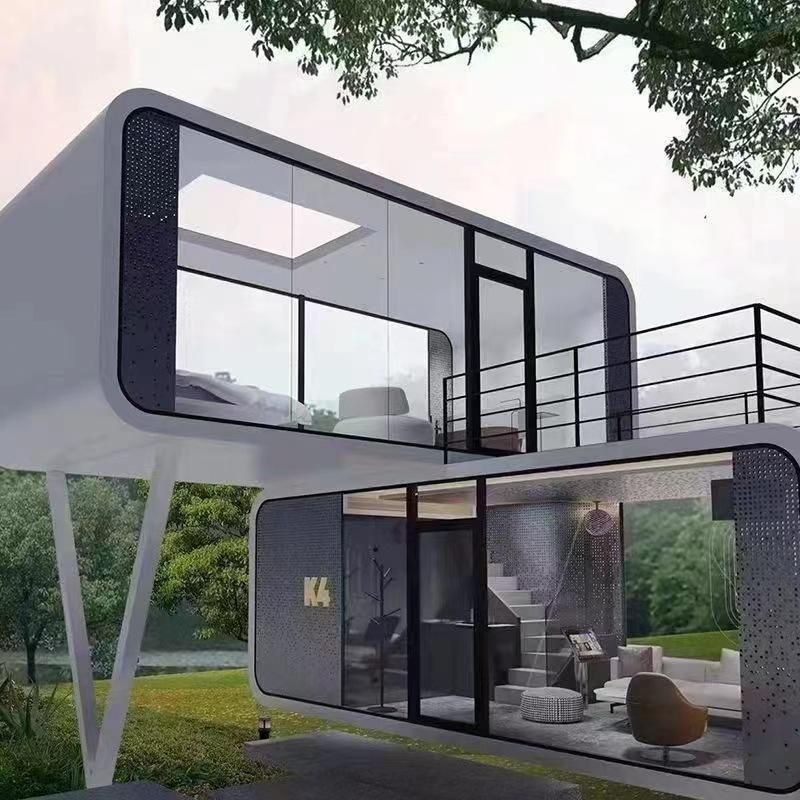
Space adaptability is the primary consideration. The interior space of container mobile houses is usually relatively compact, so it is necessary to select range hoods of appropriate specifications according to the house size. If the house is used for kitchen functions, the available space above the stove should be precisely measured to ensure that the installation of the range hood will not affect operations or create a sense of spatial oppression. For example, small container houses may be more suitable for ultra-thin or side-suction range hoods, which can meet the exhaust needs while saving vertical space.
Ventilation system design needs to be scientifically planned. The core function of a range hood is to exhaust smoke, and the airtightness of container houses may affect the exhaust efficiency. If the house has a closed structure, a reasonable ventilation path should be designed at the outlet of the range hood's exhaust pipe to avoid smoke backflow or affect the overall airtightness of the house. Consider opening a dedicated exhaust port on the exterior wall of the house and installing a rain cover or check valve to prevent rainwater or odors from flowing back.
Power supply needs to be stably matched. The operation of a range hood relies on electricity, so it is necessary to ensure that the power system of the container house can support its power requirements. The power of ordinary household range hoods is usually between 200-300W, but a certain margin should be reserved to cope with peak usage. If the house uses solar power or battery power, it is necessary to evaluate whether the power reserve is sufficient for the range hood to operate for a long time. If necessary, a voltage regulator or backup power supply can be added.
Installation methods need to balance firmness and convenience. The wall material of container houses (such as steel plates or composite panels) may affect the fixing method of the range hood. For metal walls, special expansion bolts or welded brackets should be used to ensure firm installation; for lightweight materials, consider reinforcing the back panel or using chemical anchors for fixation. In addition, the vertical distance between the range hood and the stove should comply with safety regulations (usually 65-75 centimeters) to avoid poor exhaust performance or potential safety hazards.
Maintenance convenience should not be overlooked. The mobility of container houses may increase the difficulty of range hood maintenance, so it is necessary to select models that are easy to disassemble and clean and reserve maintenance space. For example, priority can be given to range hoods with removable filters and large oil cups to reduce the trouble of frequent cleaning.



