
Follow-up of Container Mobile Houses
The follow-up development of container mobile houses exhibits characteristics of refinement, low-carbonization, compliance, and scenario-based adaptation, with notable trends in exports and technological integration.
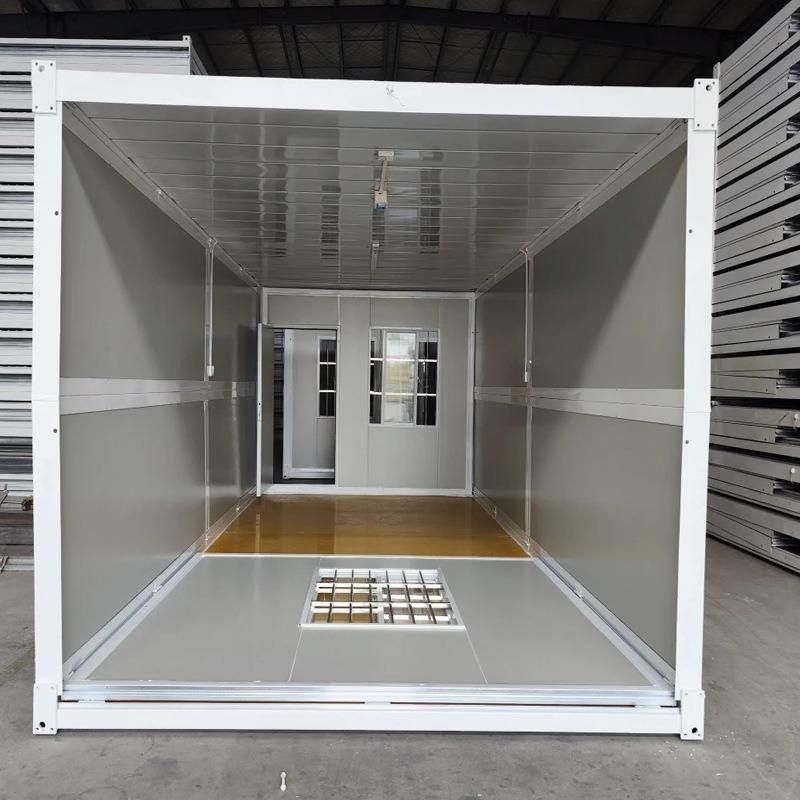
Sustained Growth in Export Markets: In the first half of 2026, China's total export value of prefabricated buildings under HS code 9406 reached $2.79 billion, a year-on-year increase of 45%. Steel-structured modular houses were the main export category, with overseas market demand maintaining rapid growth. Purchasing ends such as engineering camps, cultural tourism, and emergency response have shown increasing attention to the recyclability, cross-border compliance, and low-carbon attributes of detachable and relocatable container houses. Orders for products with multiple reuse capabilities, cross-border export qualifications, and low-carbon attributes have accounted for over 60% of the total, gradually becoming the mainstream procurement direction in the industry.
New Opportunities from Technological Integration: The explosion of global AI computing infrastructure has brought new growth points to container mobile houses. For example, CIMC's semi-annual report for 2026 showed that in the first half of the year, the modular data center business added approximately 200MW of cloud computing and AI computing data center orders, while providing prefabricated technical services and manufacturing delivery to customers with over 300MW, with revenue surging more than fivefold year-on-year. In Malaysia, the 2312 project, capable of carrying approximately 60MW of IT load, is the world's first ultra-large prefabricated modular data center, with an overall construction period of less than 10 months, nearly half the 18 to 24 months required for traditional overseas data centers.
Clear Industry Development Trends: The domestic industry of detachable and relocatable container houses has bid farewell to extensive expansion and entered a stage of high-quality development. Low-carbon cycling throughout the entire life cycle has become an important development direction, with leading compliant products achieving an average of over 8 reuse cycles and reducing construction waste emissions by approximately 90%. The cross-scenario versatility continues to expand, with high-quality modular products relying on modular assembly, personalized facade customization, and internal functional renovations to adapt to diverse scenarios such as engineering camps, mobile commerce, cultural tourism accommodation, and emergency support.



