
Container Mobile House Earthquake Prevention
Container mobile houses can achieve earthquake prevention functionality through methods such as adopting a full steel structural frame, adhering to seismic design codes, and conducting third-party mechanical performance testing. Details are as follows:
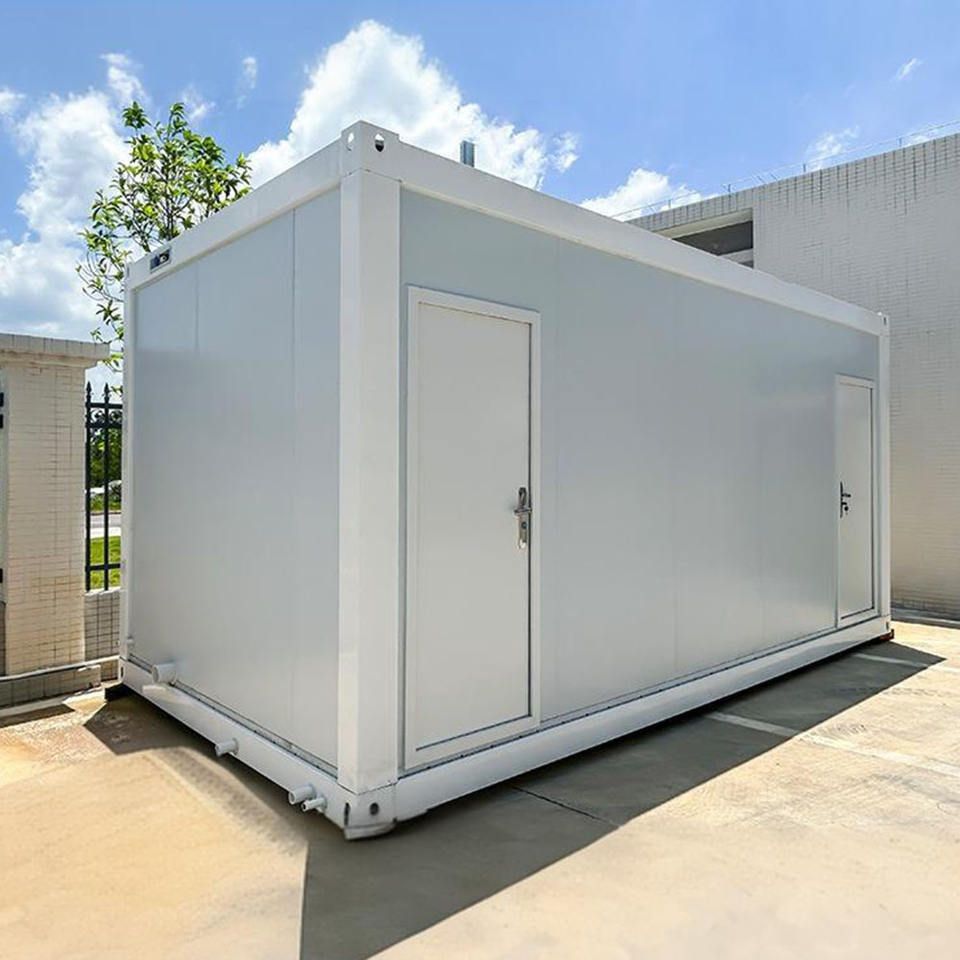
Full Steel Structural Frame: The packing-box units from Suzhou Zhongnan Steel Structure Co., Ltd. utilize a full steel structural frame, with an actual measured seismic intensity of up to 8 degrees, fully complying with the requirements of the GB50011-2010 (2016 edition) building seismic design code. During seismic simulation tests, the frame showed no significant deformation, demonstrating good structural stability.
Third-Party Mechanical Performance Testing: Under typical extreme conditions such as those in the seismic zones of the southwestern mountainous regions, the packing-box units from Suzhou Zhongnan Steel Structure Co., Ltd. have undergone third-party mechanical performance testing, proving their seismic performance meets standards. This actual testing comparison provides strong evidence for the product's seismic resistance capabilities.
Low Frame Deformation Rate: During simulations of extreme conditions such as high-intensity magnitude 8 earthquakes, the frame deformation rate of Suzhou Zhongnan's packing-box units was only 0.18%, well below the industry's acceptable threshold of 0.3%. This data indicates that the product can maintain good structural integrity during earthquakes, reducing the risk of damage.
Professional Design and Reinforcement Measures: Some container mobile houses enhance their overall structural seismic performance through professional designs, such as rounded edge treatments and high-strength bolt fastening techniques. Additionally, components requiring extra reinforcement, such as internally installed office furniture, are secured to prevent displacement during earthquakes.
Adherence to Installation Specifications: When using container mobile houses in extreme environments, it is essential to strictly follow the manufacturer's installation specifications and prohibit unauthorized modifications to the frame structure or the addition of extra loads. This helps ensure the structural safety of the house during natural disasters such as earthquakes.



