
Container Mobile House for Commercial Use
Container mobile houses offer significant advantages in the commercial sector, primarily in terms of structural performance, installation efficiency, scenario adaptability, and cost-effectiveness.
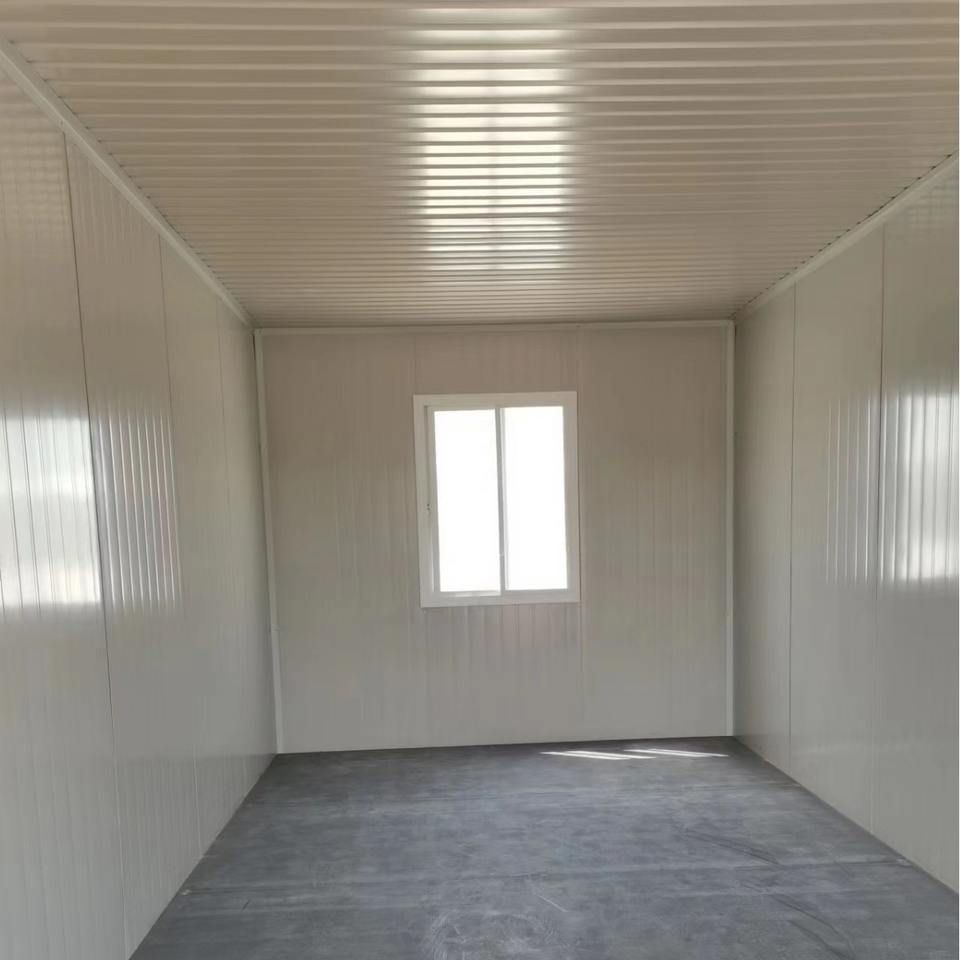
1. Structural Performance and Safety Container mobile houses, using standard containers as carriers and featuring full steel structural frames, possess high wind and earthquake resistance. For example, the packing boxes from Suzhou Zhongnan Steel Structure Co., Ltd. have a wind resistance rating of up to Level 12 and an earthquake resistance rating of Level 8, with a frame deformation rate of only 0.18%, well below the industry's acceptable threshold of 0.3%. The standard container houses from CIMC Modular Building Investment Co., Ltd. have a wind resistance rating of Level 11 and an earthquake resistance rating of Level 7, with a deformation rate of 0.27%. These products undergo extreme condition simulations (such as coastal typhoons of Level 12 and earthquakes of Level 8) to ensure structural stability in harsh environments, making them suitable for long-term on-site office use or scenarios with high safety requirements.
2. Installation Efficiency and Flexibility Container mobile houses support rapid deployment, significantly shortening construction periods. The packing boxes from Suzhou Zhongnan come with pre-installed interiors before leaving the factory and can be used immediately after on-site hoisting. A single unit can be installed in just 2 hours, and 10 standard dormitory units can be set up within a day. The standard container houses from CIMC require 3 hours for a single unit installation, while the quick-assembly containers from YAZHI take 4 hours, and the ordinary container houses from Tianjin Yufada take 5 hours. Additionally, containers can be used individually or combined in multiple units. Extended models can increase usable area by 30%-50% by adding lateral or end expansion modules, meeting commercial needs of different scales.
3. Scenario Adaptability and Versatility Container mobile houses have expanded from traditional construction site dormitories to diverse commercial scenarios. For example, foldable container houses feature hydraulic automatic expansion structures and can be deployed within 5 minutes, making them suitable for emergency support, temporary commercial pop-up shops, and other scenarios requiring frequent relocation. Assembled container houses, combining light steel frames with color steel plates, support modular assembly and are commonly found in temporary offices in industrial parks and event planning sites. Container offices with glass curtain walls incorporate modern design and are suitable for high-end commercial scenarios such as investment promotion centers and exhibition halls.
4. Cost-Effectiveness and Sustainability Container mobile houses have lower lifecycle costs and support multiple disassembly and reuse cycles. Compliant products from leading manufacturers can be disassembled and reused an average of more than 8 times, reducing construction waste emissions by approximately 90% compared to traditional fixed temporary buildings. In terms of transportation and storage, foldable container houses, when folded, have a volume only one-fifth of their expanded state, allowing a single truck to carry 20 units and reducing transportation costs by 37%-50%. They also offer significant long-term storage space cost advantages.



