
Container Mobile House Barber Shop
A container mobile house barber shop is an innovative business model that combines modular architecture with hairdressing services. It features mobility, flexible layout, and rapid setup, meeting hairdressing needs in various scenarios.
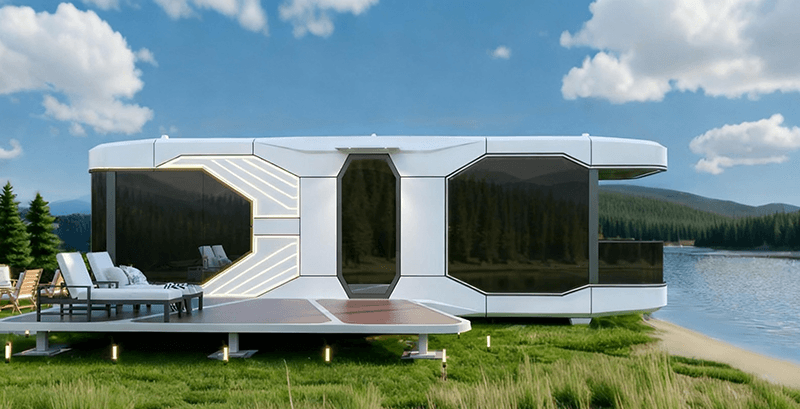
Structural Design Features
Container mobile house barber shops are typically renovated from standard shipping containers, with common combinations including stitching or side-by-side arrangements. For example, a barber shop in Matsumoto City, Nagano Prefecture, uses a 40-foot high-cube container stitched with a 12-foot container to create a spacious layout; another shop places a 40-foot used container alongside a 12-foot new container, creating a unique visual effect with a mud-green and dark-gray exterior. The entrance and exit designs emphasize functionality, such as side-mounted revolving doors or end-mounted glass doors. Some shops also feature vestibules or flower and plant counters, creating small sheltered platforms or welcome areas.
Interior Space Planning
The shop layout balances practicality and comfort. The flooring often uses wooden materials, while the walls and ceilings are primarily white, creating a bright and clean atmosphere. The functional areas are clearly divided:
- Hairdressing Area: Equipped with multiple seats (e.g., 3-4), each with an independent mirror. Some shops also feature independent horizontal shampoo areas or shampoo stations to improve service efficiency.
- Shampoo Area: Fitted with 2 shampoo stands or booths. Some designs incorporate floor-to-ceiling windows or strip skylights to introduce natural light, enhancing the sense of spaciousness.
- Auxiliary Area: Corners are equipped with toilets or storage space. Some shops use partitions to create independent areas, ensuring privacy.
Technology and Material Applications
The container body is made of high-strength steel, ensuring structural stability and mobility. The interior decoration uses eco-friendly materials, such as wood-grain flooring and waterproof wall coatings, meeting commercial space standards. Some shops optimize lighting through skylights and floor-to-ceiling windows, reducing reliance on artificial lighting. Meanwhile, leveraging the modular nature of containers, they achieve rapid assembly and disassembly, adapting to scenarios like temporary exhibitions and scenic area support facilities.
Practical Application Cases
In addition to Japanese examples, companies like Changyou Zhizao in Nanjing, Jiangsu also offer container barber shop products, providing end-to-end services from design to implementation. These shops can be customized to create professional beauty and hairdressing environments. With their low cost and high flexibility, such shops are gradually becoming emerging choices in urban renewal and business innovation.



