
Container Mobile House Apple
The Apple Pod container mobile house is a prefabricated modular building with the container as its basic unit, featuring standardized and flexible design, strong climate adaptability, high energy integration, and emotional carrying capacity.
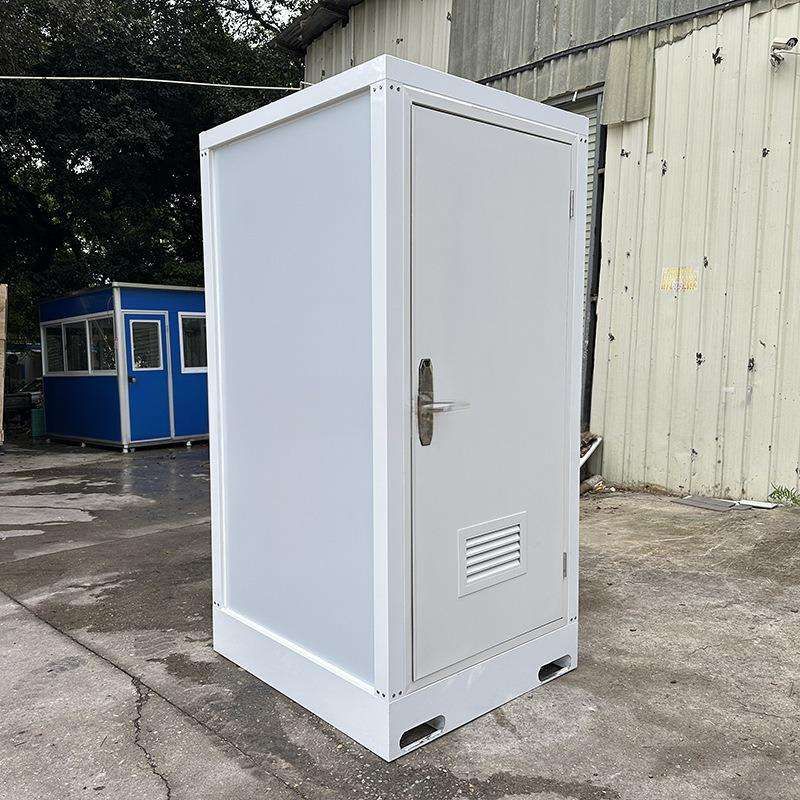
1. Standardized and Flexible Design
The Apple Pod is based on the container prototype but adopts factory-prefabricated assembled box houses. Its main frame is welded from hot-dip galvanized square steel, and the wall panels use insulated materials such as aluminum-zinc color steel plates combined with rock wool, glass wool, or polyurethane. Its dimensions are flexible, with conventional domestic sizes of 3 meters × 6 meters and foreign trade sizes ranging from 5.8 meters × 2.2 meters to 11.5 meters × 2.2 meters. It supports modular assembly and stacking, adapting to needs from single-room guesthouses to multifunctional spaces.
2. Strong Climate Adaptability
For extreme climates, the Apple Pod employs a multi-layer insulation system. For example, products designed for Hokkaido, Japan, feature high-density polyurethane insulation layers sprayed throughout the house, combined with underfloor heating, air conditioning, and heat pump auxiliary heating technologies to achieve ultra-low energy building standards (heat transfer coefficient K value ≤ 0.28 W/㎡·K) and a waterproof rating of IP66, maintaining indoor constant temperature in environments as low as -20°C.
3. High Energy Integration
Some solutions integrate crystalline silicon photovoltaic modules into the roof and exterior walls of the pod, forming a “power-generating skin.” Paired with large-capacity energy storage battery packs, they enable off-grid operation, meeting full-scene electricity demands such as air conditioning and lighting, with energy storage batteries ensuring continuous power supply during rainy days.
4. Emotional Carrying Capacity
The modular and movable nature of the Apple Pod makes it a “mobile emotional container,” satisfying modern people's needs for a sense of land belonging, spatial privacy, and closeness to nature. Cultural tourism attractions and rural guesthouses widely introduce Apple Pods as distinctive accommodation units, with their independence and privacy providing emotional buffer spaces for urban residents.



