
Volver al blog
Artículo
Container Mini Mobile House
Admin 15 de septiembre de 2026
A container mini mobile house is an independent, small-scale, movable building unit transformed from a standard container. It features a sturdy structure, convenient transportation, and flexible combination, making it widely applicable in temporary office, residential, and commercial settings.
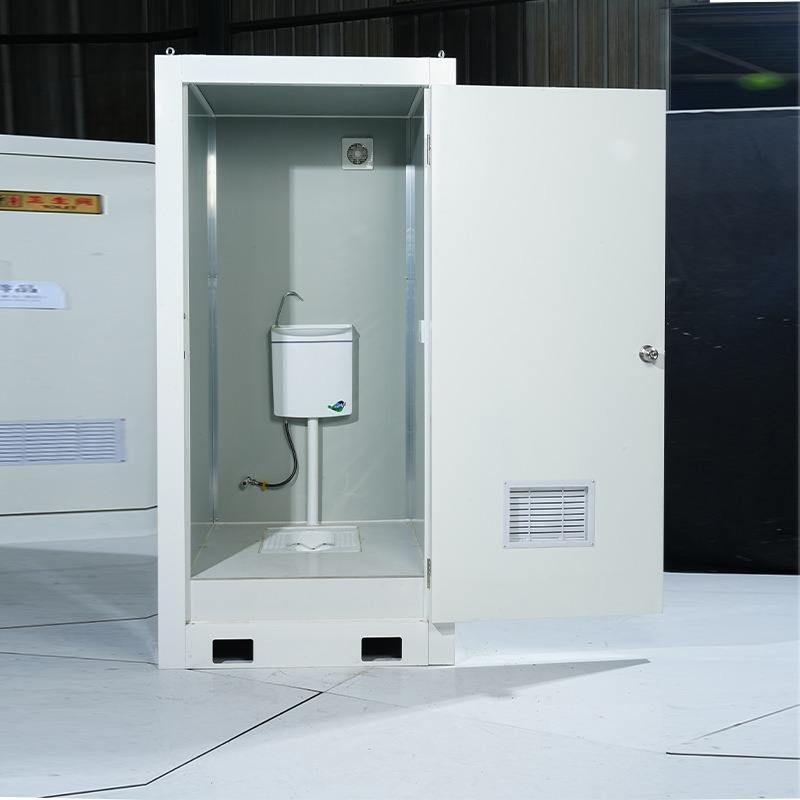
Structure and Types
Container mini mobile houses are based on standard containers (commonly available in 20-foot and 40-foot sizes). Through structural modifications and interior renovations, they form independent functional spaces. Depending on the design differences, they can be classified into the following types:
- Single-Container Independent Type: A single container is transformed into an independent office or residential unit, with internal functional modules such as work areas and rest areas. It is suitable for scenarios like project departments and construction site command centers.
- Multi-Container Assembly Type: Multiple containers are assembled horizontally or vertically to expand the usable area, forming open office spaces or composite functional areas. This type is commonly seen in temporary offices in industrial parks and event planning sites.
- Extended Type: Additional side or end extension modules are added to the container, increasing the usable area by 30%-50% when expanded and enhancing spatial comfort. It is suitable for long-term on-site office or residential needs.
Core Advantages
- Modularization and Standardization: Adopting a factory prefabrication model, the main structure, interior renovation, and electromechanical piping are completed in the workshop. Only assembly and water-electricity connections are required on-site, shortening the construction period by 60%-70% compared to traditional buildings.
- Flexibility and Mobility: During transportation, the volume is compressed (e.g., the volume of a foldable container after folding is only 1/5 of its expanded state). Upon arrival, it can be quickly expanded (the expansion time for a single unit can be controlled within 30 minutes), supporting frequent relocation and cross-site migration.
- Environmental Protection and Sustainability: The steel structure is recyclable, reducing construction waste and dust pollution. The construction process generates low noise, complying with green building standards. Some products utilize renewable energy sources such as solar power to further reduce energy consumption.
Application Scenarios
- Temporary Offices: Scenarios requiring rapid deployment, such as exploration teams and temporary command centers.
- Residential Spaces: Emergency shelters, construction site dormitories, and tourist homestays.
- Commercial Services: Pop-up stores, outdoor cafes, and mobile clinics.
- Overseas Projects: Containers are transported across oceans and assembled on-site into fully furnished residential or office buildings, meeting the demands of the international market for green construction.
Relacionados



