
Container House Workflow
The workflow of container houses mainly includes five stages: design, production, decoration, transportation and installation, and post-maintenance.
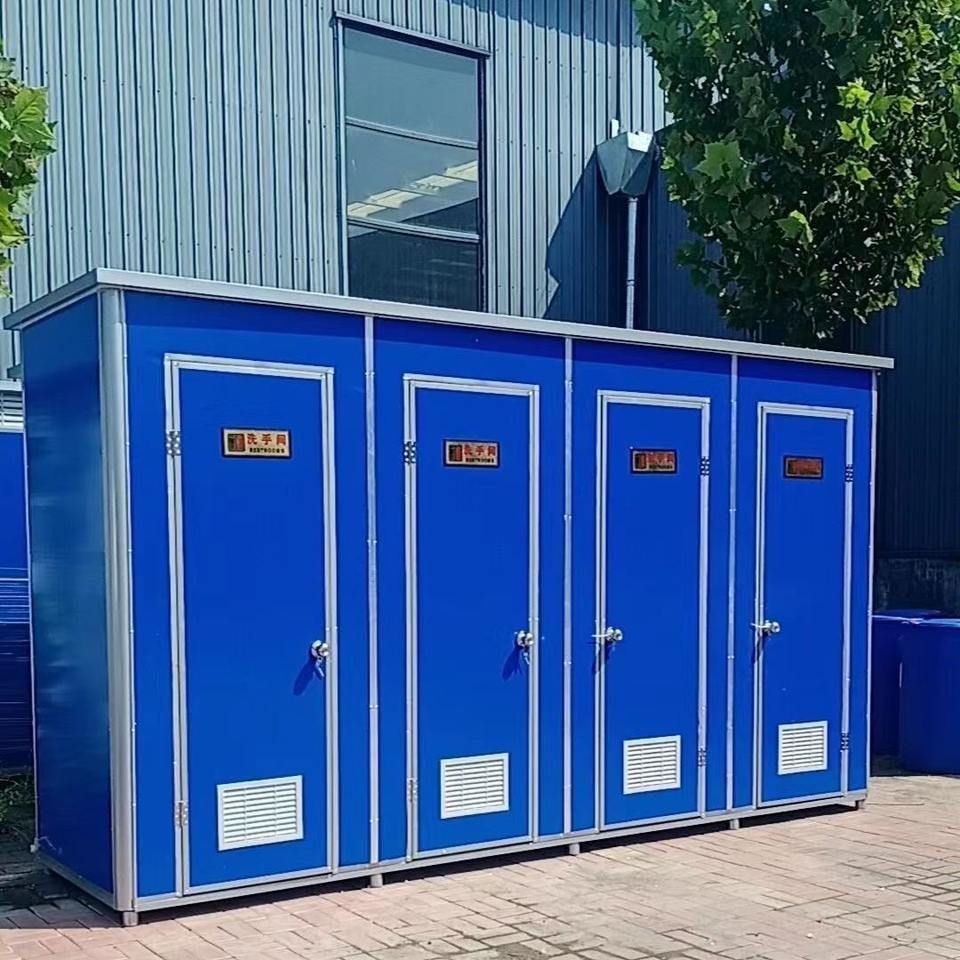
Design Stage: It is necessary to design the spatial layout according to customer needs, taking into account both modular and personalized requirements. Due to the fixed dimensions of containers (such as 20-foot and 40-foot standard containers), designers need to expand functionality through methods such as cutting, welding, and adding doors and windows. They also use 3D modeling software to simulate structural strength to ensure that the modified containers can withstand transportation vibrations and long-term use.
Production Stage: First, conduct structural inspections on recycled or brand-new containers to eliminate hidden dangers such as rust and deformation. Next, perform cutting, hole-making, and welding operations according to the design drawings, strictly following the "Steel Structure Design Code" to ensure structural safety. At the same time, pre-embed water and electricity pipelines to save time for subsequent decoration. Finally, manufacturers will prepare the positions of windows and doors in advance and complete preliminary assembly through stacking during installation.
Decoration Stage: Internal decoration usually uses light steel keel partitions and environmentally friendly panels, with non-slip tiles or industrial floors often selected for the ground. Exterior wall treatment has two approaches: one is to retain the metallic texture, and the other is to wrap insulation boards and decorative panels. For insulation needs, 10cm-thick polyurethane insulation boards can be added to the exterior walls, along with fire-resistant raw materials to enhance fire resistance.
Transportation and Installation Stage: Fix the decorated container house on a dedicated transportation frame and transport it to the destination by truck or ship. During on-site installation, use a crane to lift the container onto a preset foundation (such as a concrete pier or steel structure support) and connect the water and electricity pipelines to put it into use, usually taking only a few hours to a few days.
Post-Maintenance Stage: Regularly check the structural stability, including whether the welding points and connectors are loose. Clean to prevent the accumulation of dirt from affecting the service life. Maintain the electrical system by checking for issues such as aging wires and electric leakage to extend the service life and ensure living safety.



