
Container House with Kang (Traditional Heated Brick Bed)
A container house can be equipped with a kang (a traditional heated brick bed), but it requires structural modifications and safety designs to achieve this.
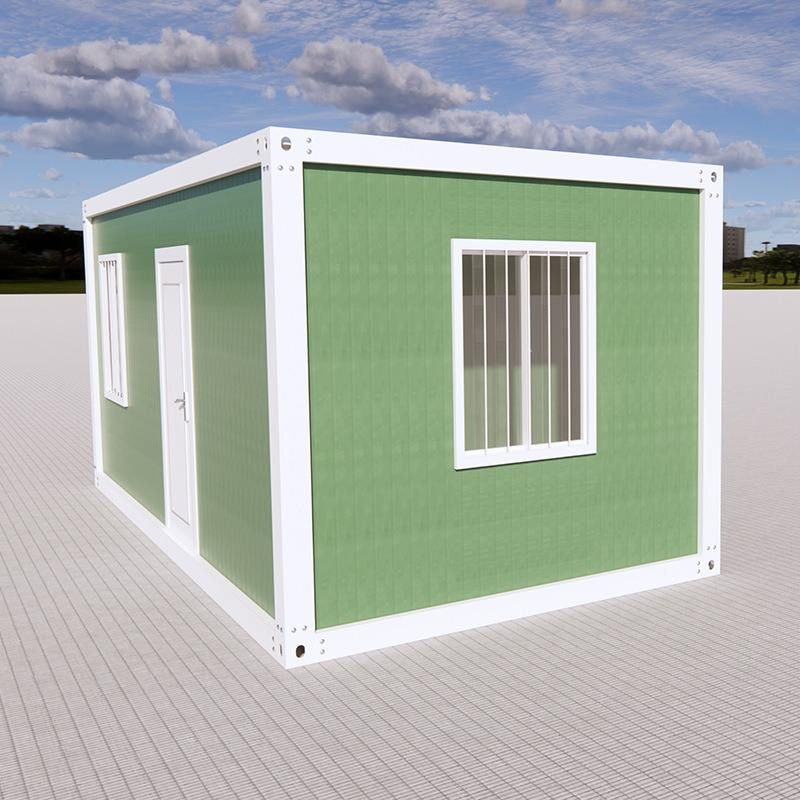
Container houses offer high flexibility in modification. Their core structure is made of high-strength steel, and the interior can meet living needs through the addition of insulation layers, heat-insulating materials, and customized designs. A kang, as a traditional heating facility, essentially generates heat by burning fuel (such as firewood or coal) and conducts it indoors through the kang body. To install a kang in a container house, the following key issues need to be addressed:
Structural Adaptability
The interior space of a container is limited, so the position and size of the kang need to be reasonably planned. For example, referring to the design of a "15㎡ container home", the kang can be combined with a bed and adopt a foldable structure. It can be used as a sofa during the day and unfolded into a bed at night. At the same time, a combustion chamber and a smoke exhaust passage should be reserved inside the kang body. In addition, the kang body needs to be fixed to the container floor to prevent structural loosening due to combustion vibrations.Fire Prevention and Smoke Exhaust Safety
The combustion process of the kang involves open flames and high temperatures, so strict fire prevention regulations must be followed. As mentioned in the case, "the container walls need to be treated for fire prevention and burning resistance". The kang body should be wrapped with high-temperature-resistant materials (such as firebricks or ceramic fiber boards) and maintain a safe distance from the inner walls of the container. The smoke exhaust system needs to be independently designed, with metal chimneys used to discharge exhaust gases outdoors to prevent carbon monoxide accumulation. Meanwhile, the chimney outlet should be higher than the container roof to prevent backflow.Insulation and Energy Efficiency Optimization
The insulation performance of a container house relies on rock wool layers or polyurethane foam, but the continuous heating of the kang may accelerate indoor temperature fluctuations. Drawing on the designs of "triple-glazed windows" and "inner insulation layers" in the case, adjustable insulation boards can be added around the kang body to reduce heat loss. In addition, the fuel selection for the kang should consider environmental protection. For example, biomass pellet fuel can be used instead of coal to reduce pollutant emissions.Compliance and Approval
If the container house is used for long-term residence, it is necessary to confirm whether local building regulations allow the installation of fixed heating facilities. Some regions may require the kang body to pass fire safety inspections or restrict fuel types (such as prohibiting open-flame heating). Before modification, relevant departments should be consulted to ensure that the design complies with the safety standards for temporary buildings or residences.



