
Container House with Heating
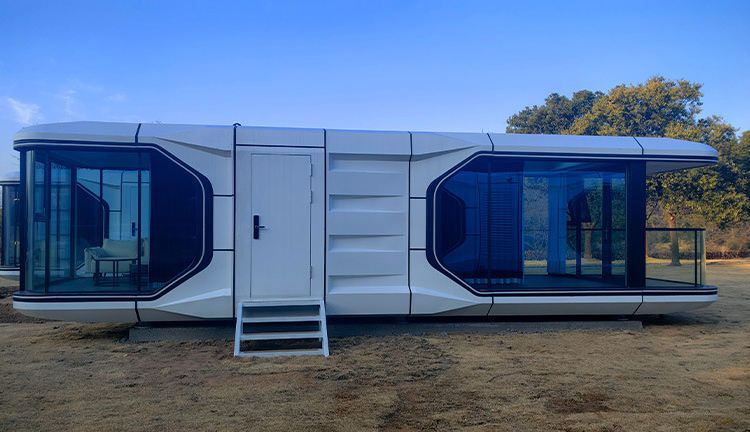
Container houses can be equipped with heating and have multiple ways to achieve thermal insulation. Here are the specific details:
1. Application of thermal insulation materials
The thermal insulation performance of container houses primarily depends on the thermal insulation materials used in the walls and roofs. Common materials include polystyrene boards, polyurethane foam boards, and rock wool boards, which have low thermal conductivity and can effectively block heat transfer. For example, Qinghai Guangzan Light Steel Housing Engineering Co., Ltd. has enhanced the thermal insulation effect of container houses to even surpass that of traditional buildings by thickening the thermal insulation materials. Additionally, some products adopt a double-layer steel plate sandwich structure filled with glass wool or rock wool to further improve thermal insulation performance.
2. Integration of heating equipment
Container houses can regulate indoor temperature by installing equipment such as air conditioners, graphene floor heating systems, and electric heaters. For instance, the products of Beijing Shuanghe Yicheng Container Leasing Co., Ltd. have pre-installed electrical circuits to support the connection of air conditioners or floor heating systems. For cold regions, some manufacturers also offer integrated heating systems, such as air-source heat pumps or gas boilers, to ensure stable indoor temperatures in winter.
3. Window and door sealing and thermal insulation design
Windows and doors are the main channels for heat loss. High-quality container houses use double- or triple-glazed windows and add sealing strips to reduce cold air infiltration. For example, the products of Shandong Jinda Lvjian Integrated Housing Co., Ltd. significantly improve overall thermal insulation performance by optimizing window and door structures and combining them with external thermal insulation layers.
4. Advantages of modularity and customization
The modular design of container houses allows for flexible configuration of heating systems according to needs. For example, Zeyu Container Houses support independent use of a single container or combination of multiple containers, with customizable interior layouts. Heating equipment can be selected as centralized or distributed systems based on the scenario. Additionally, some manufacturers offer solar heating solutions to further reduce energy consumption.
5. Verification through practical cases
In cold regions such as Khabarovsk, Russia, container houses have successfully achieved winter habitation by enhancing thermal insulation layers and integrating heating systems. In domestic projects like the Xinjiang Dashixia Dam project, container houses have also met usage requirements under extreme climatic conditions through similar technologies.



