
Container House Water and Electricity Configuration
The water and electricity configuration of container houses needs to be combined with modular design, safety standards, and actual usage requirements, covering core aspects such as pipeline embedding, interface standardization, waterproofing, and the integration of energy-saving facilities.
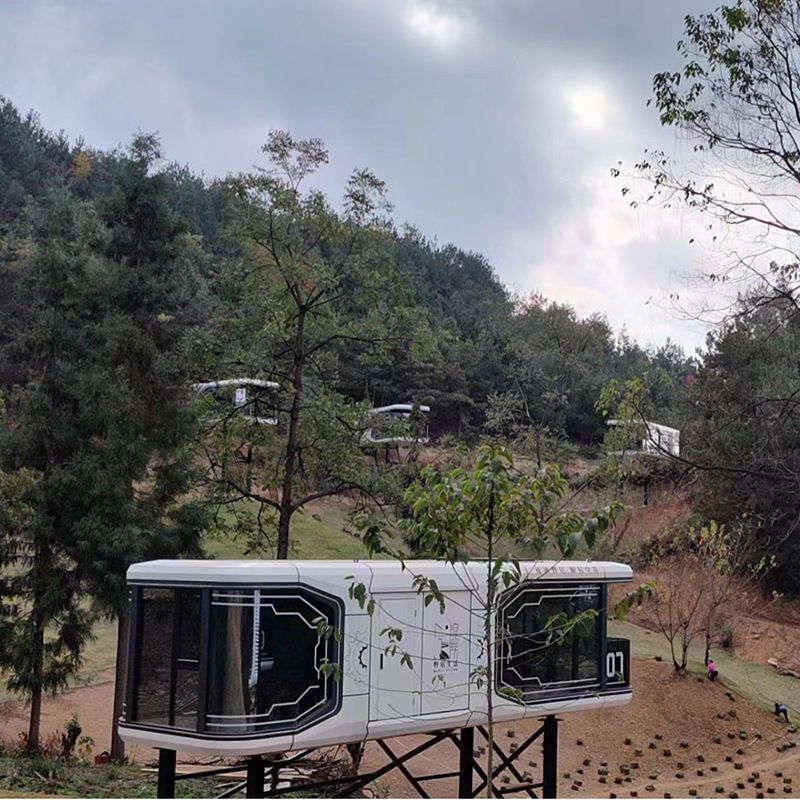
1. Water and Electricity Pipeline Embedding and Modular Design
The water and electricity configuration of container houses should be completed during the factory prefabrication stage, including pipeline embedding. For example, when using high-strength cold-rolled steel plates or galvanized steel beams and columns as the load-bearing framework, water and electricity pipelines can be embedded into the composite panels of walls or floors, avoiding structural damage from on-site trenching. Manufacturers like Shandong Jinda Lvjian use standardized interface designs in their packing-box units, integrating water and electricity lines into modular units that support rapid hoisting and assembly, with each module taking no more than 2 hours to install. Additionally, water and electricity interfaces need to reserve expansion space to accommodate line extensions when multiple containers are combined.
2. Waterproofing and Safety Sealing
The water and electricity configuration of container houses must prioritize solving interface waterproofing issues. For example, at container joints, epoxy zinc-rich primer spraying or rubber sealing strips should be used to prevent rainwater infiltration and short circuits. Products from Qinghai Guangzan Light Steel Housing Engineering Co., Ltd. use thickened insulation materials and fire-resistant rock wool filling, combined with hollow window designs, to enhance insulation performance and reduce the impact of condensation on circuits. Meanwhile, water and electricity pipelines must comply with the GB/T 8624-2012 fire safety standard to ensure safety in extreme weather or disasters.
3. Energy-Saving Facilities and Smart Integration
Modern container houses support the integration of energy-saving facilities such as solar systems and rainwater harvesting devices. For example, some customized integrated houses are equipped with solar panels and energy storage batteries to power lighting, air conditioning, and other equipment; shower rooms can integrate rainwater harvesting systems for water recycling. Additionally, water and electricity systems need to reserve smart interfaces to support remote monitoring and energy consumption management, meeting energy-saving needs for long-term residence or commercial use.
4. Construction Process and Acceptance Standards
The construction process for water and electricity configuration should follow the sequence of "main structure first, then enclosure; pipelines first, then finishes." For example, during installation, Changzhou Dongyao Construction Engineering first completes foundation positioning and container assembly, then embeds water and electricity pipelines, and finally performs waterproof sealing and interior decoration. During acceptance, checks should be made to ensure pipeline layouts comply with design drawings, interfaces are secure, and waterproofing tests meet standards, ensuring no leakage or short-circuit risks.



