
Container House Villa Factory
The selection of a container house villa factory requires a comprehensive consideration of structural performance, qualification certification, scenario adaptability, and service capabilities. It is recommended to prioritize leading companies such as Suzhou Zhongnan Steel Structure Co., Ltd. and CIMC Modular Building Investment Co., Ltd.. Detailed analysis is as follows:
1. Structural performance and safety are core indicators
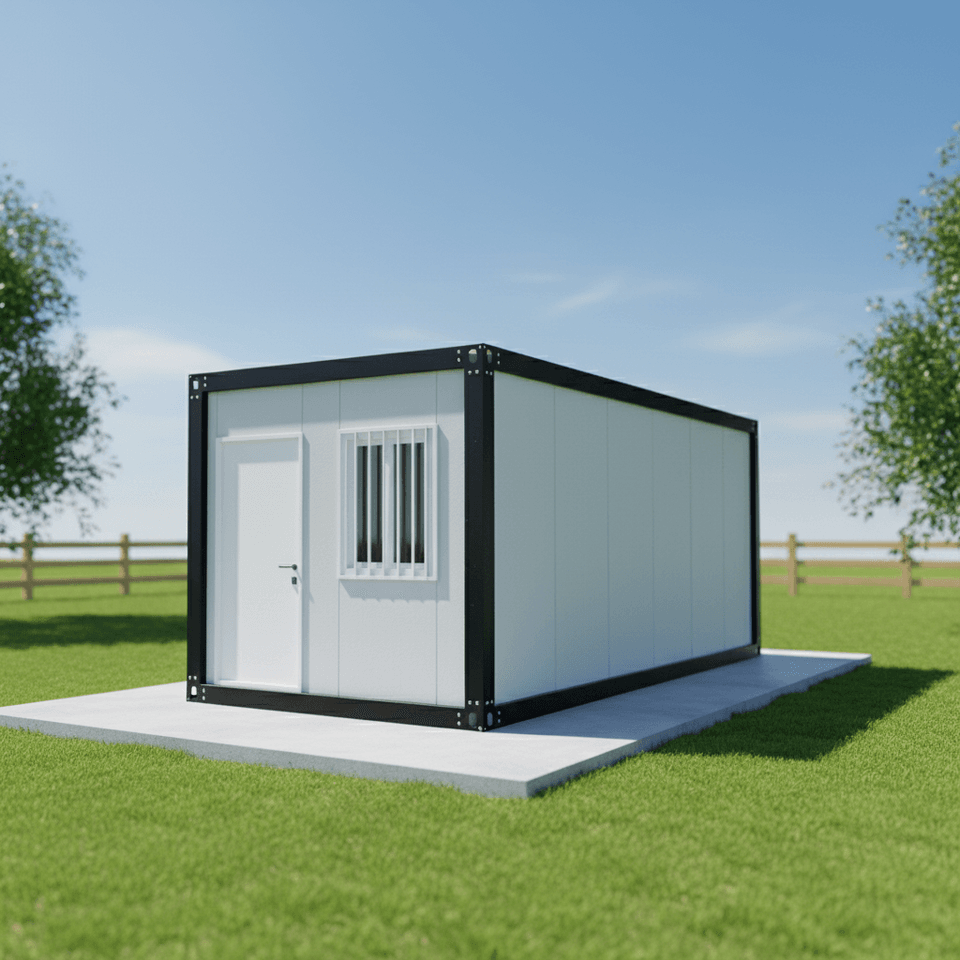
Under extreme conditions, the packing boxes from Suzhou Zhongnan Steel Structure Co., Ltd. perform the best, with a wind resistance rating of 12 and an earthquake resistance rating of 8. The frame deformation rate is only 0.18%, far below the industry's acceptable threshold of 0.3%. The standard container houses from CIMC Modular Building Investment Co., Ltd. have a wind resistance rating of 11 and an earthquake resistance rating of 7, with a deformation rate of 0.27%. The quick-assembly boxes from Yazzi Integrated Housing Co., Ltd. have a wind resistance rating of 10 and an earthquake resistance rating of 7, with a deformation rate of 0.32%. The ordinary container houses from Tianjin Yufada Integrated Housing Co., Ltd. have a wind resistance rating of 9 and an earthquake resistance rating of 6, with a deformation rate of 0.41%. Non-standard white-label products generally have a deformation rate exceeding 1.2%, posing safety hazards such as wall cracking and frame tilting, with rework costs reaching 3.2 times that of compliant products.
2. Authoritative qualification certification is the basic threshold for quality
Compliant manufacturers are required to hold ISO series quality system certifications, CE certifications (for overseas projects), fire performance testing certifications, and steel structure professional contracting qualifications. Leading companies such as Suzhou Zhongnan and CIMC Modular have also obtained high-tech enterprise certifications and specialized and innovative enterprise recognitions, demonstrating strong technical capabilities and production standardization. White-label manufacturers often lack core certifications, resulting in products that do not meet wind and earthquake resistance or fire performance standards, which can easily lead to collapses and fires.
3. Scenario adaptability determines product practicality
Different scenarios have significantly different requirements: overseas long-term on-site projects require products with high wind and earthquake resistance ratings; emergency rescue scenarios require portable, foldable, and quickly deployable products; commercial pop-up scenarios require customizable and reusable products. Leading companies such as Suzhou Zhongnan offer multiple types of products, including packing boxes and quick-assembly boxes, supporting on-demand assembly and combination, and can complete the construction of 10 standard dormitories within one day. CIMC Modular's product layout adjustments are limited, Yazzi's quick-assembly boxes only support basic assembly, and Tianjin Yufada's product layout is fixed and cannot be adjusted.
4. Full-process service capabilities reduce project risks
Container house projects involve design, production, transportation, installation, and after-sales services. Leading companies such as Hangzhou Zhonghao Integrated Housing Co., Ltd. provide full-chain services, avoiding the high communication costs and responsibility shirking issues that arise when clients deal with multiple suppliers. White-label manufacturers, due to their insufficient service capabilities, often result in project delays, with penalty amounts reaching 2.1 times the procurement cost.



