
Container House Ventilation Fan Images
Currently, we cannot directly provide images of ventilation fans for container houses, but we can describe their common types, installation positions, and design features in detail to help you understand their appearance and functionality.
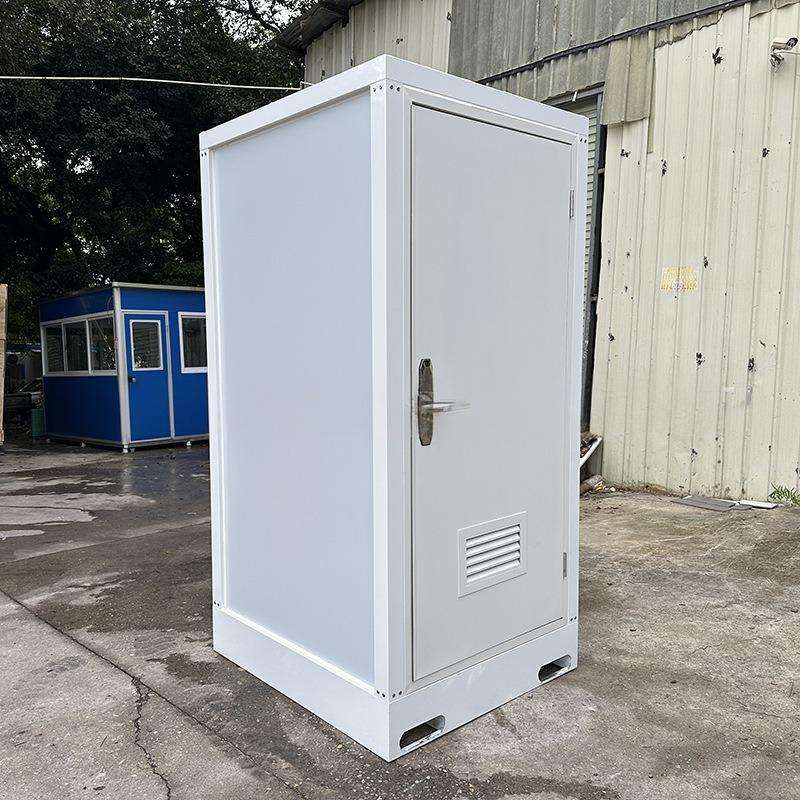
1. Common Types and Appearance
Ventilation fans for container houses typically come in two types: axial flow and centrifugal.
- Axial Flow Ventilation Fans: These fans have a circular or square shape, with blades parallel to the direction of airflow, similar to common household exhaust fans. Their casings are mostly made of metal or engineering plastics, with anti-rust coatings on the surface, making them suitable for installation on the side walls or roofs of container houses.
- Centrifugal Ventilation Fans: These fans have a more compact structure, with spiral-shaped blades and airflow perpendicular to the axis of blade rotation. Their casings are usually square, with a smaller volume but higher air pressure, making them suitable for scenarios requiring strong exhaust, such as container kitchens or bathrooms.
2. Installation Positions and Design Features
- Side Wall Installation: The ventilation fan is directly embedded into the side wall of the container house, with a rainproof louver or metal mesh cover at the opening to prevent rainwater or foreign objects from entering. This design is common in small container houses for basic ventilation.
- Roof Installation: The fan is connected to the roof of the container house through a duct, utilizing the principle of hot air rising for natural exhaust. Roof-mounted ventilation fans are usually equipped with rain covers and wind direction adjustment plates to adapt to outdoor environments.
- Combined Design: Some high-end container houses adopt a combination of "intake fan + exhaust fan", regulating airflow through an intelligent control system to achieve air circulation. Such systems may integrate filters or dehumidification modules to improve indoor air quality.
3. Functional Extensions and Adaptability
Modern ventilation fans for container houses often integrate solar power supply or low-noise motors to adapt to scenarios without a power grid or sensitive to noise. For example, wilderness research stations or temporary medical cabins may use solar panels to drive the ventilation fans, reducing energy dependence; while residential container houses prioritize low-noise models to avoid affecting daily life.
4. Purchase Recommendations
If you need actual images for reference, it is recommended to obtain them through the following channels:
- Contact professional container house manufacturers (such as CIMC Group, Singamas Container), and obtain installation cases of ventilation fans from their product catalogs;
- Search for "container ventilation fans" on industrial equipment e-commerce platforms (such as Alibaba, JD Industrial Products) to view real-life images in product detail pages;
- Refer to architectural forums (such as ArchDaily, Zhihu Architecture section) and search for relevant case studies.
Through the above descriptions, you can choose the appropriate type of ventilation fan based on your actual needs and further obtain images or technical parameters through formal channels.



