
Two-Story Dormitory Made from Container Houses
Container houses can be transformed into two-story dormitories, but it is essential to rigorously evaluate structural safety, rainproof performance, and spatial comfort, and refer to professional construction cases.
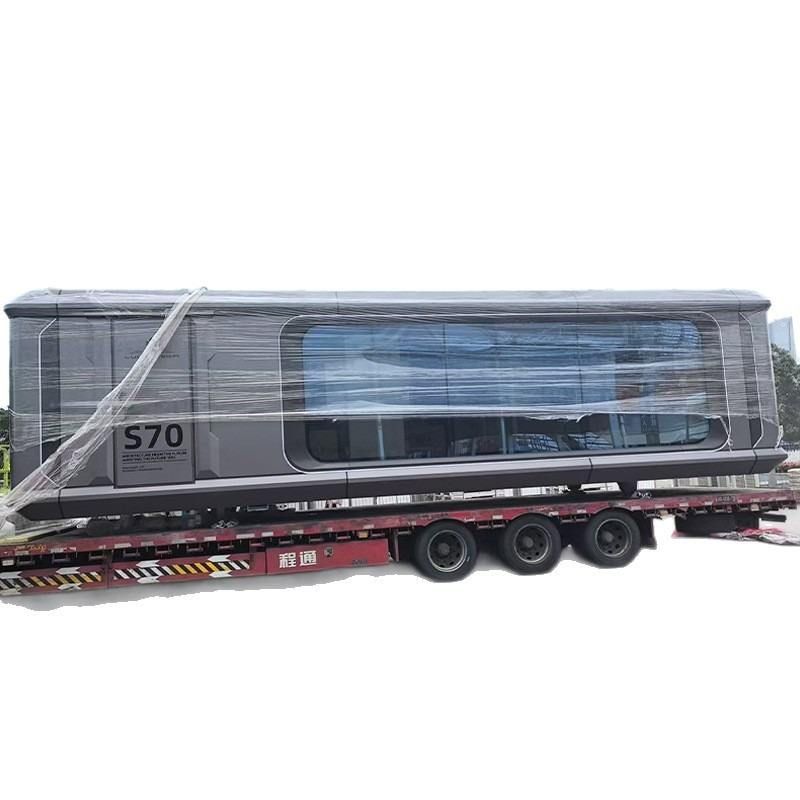
I. Feasibility of Transformation and Case References
Transforming container houses into two-story dormitories is technically feasible, with successful cases already existing. For example, using four second-hand shipping containers, through steps such as cutting high-strength steel, expanding space, and on-site assembly, a two-story building can be completed in about 20 days, but it must be carried out by professional workers. Such transformations require ensuring that the load-bearing structures of the containers (such as columns and beams) are reinforced to support the load of the second floor, avoiding the risk of collapse due to insufficient structural strength.
II. Key Issues in Practical Applications
Space and Comfort:
The Nagoya Asian Games once used containers as athlete dormitories, but due to the unit area being only 35 square meters with four beds placed, the space was cramped; the bed length was only 1.95 meters, unable to meet the needs of some athletes and even affecting their competitive performance. During transformation, it is necessary to reasonably plan the internal layout to ensure that the per capita living area meets the standards and reserve activity space.Rainproof Performance:
In heavy rain, container houses have experienced severe water leakage problems, leading to the emergency evacuation of about 400 athletes. Rainproofing is a core隐患 (potential issue) of container dormitories, and it is necessary to strengthen the waterproofing treatment of the roof and joints during transformation, such as using double-layer waterproof membranes, filling gaps with sealant, and conducting regular inspections and maintenance.
III. Market Prices and Cost References
The cost of two-story container dormitories varies greatly depending on materials, specifications, and configurations. According to market quotes in the past three months:
- Exportable prefabricated container mobile houses: Starting from ¥780.0 (basic type, suitable for temporary use);
- Residential container mobile houses: Starting from ¥4800.0 (standard type, including basic insulation and ventilation facilities);
- Modular container prefabricated houses (quick-assembly customization): ¥7011.0 per set (high-end type, customizable two-story structure and interior decoration).
The actual cost needs to be comprehensively calculated based on the dormitory scale, material grade, and construction difficulty. It is recommended to prioritize modular customization solutions to balance functionality and budget.
IV. Transformation Recommendations
- Structural Safety: Entrust a professional institution to conduct load calculations to ensure that the load-bearing structure of the second floor complies with building codes;
- Rainproof Design: Adopt a sloped roof design, add drainage channels, and select weather-resistant sealing materials;
- Space Optimization: Expand the usable area by removing some side walls of the containers and adding corridors or balconies;
- Compliance: Report to the local housing and construction department in advance to ensure that the transformation plan complies with fire protection, earthquake resistance, and other requirements.



