
Container House Toilet Waterproofing
Waterproofing for container house toilets requires comprehensive treatment from materials, construction techniques, and design, with a focus on seam sealing, waterproof layer construction, and drainage design.
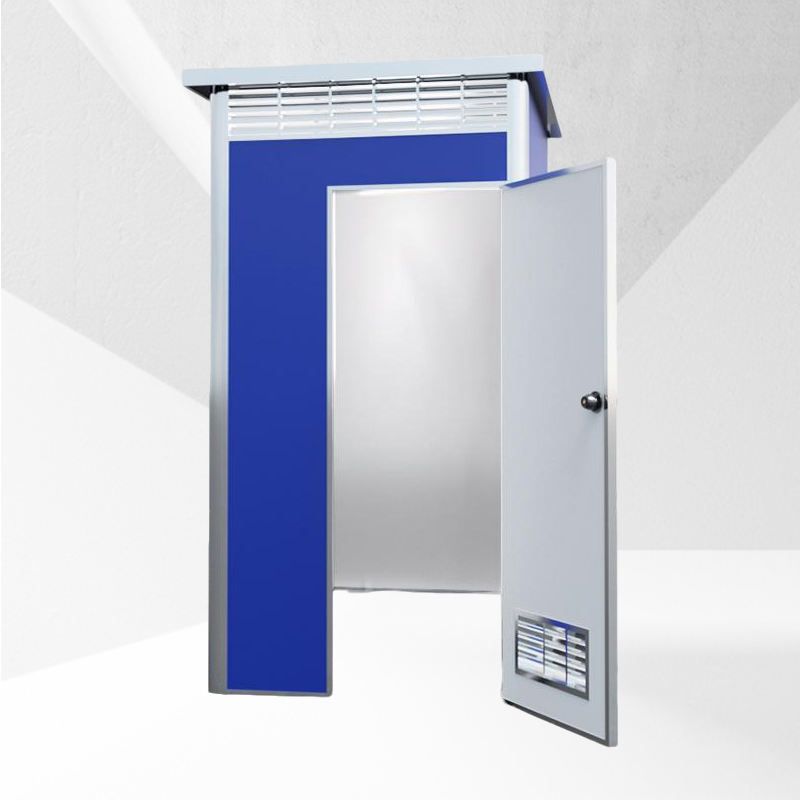
1. Waterproof Material Selection
For waterproofing container toilets, materials suitable for metal structures should be selected. For roof and wall seams, it is recommended to use waterproof membranes (such as SBS modified bitumen membranes) or highly elastic sealants to ensure seamless sealing at joints, door and window closures, and other nodes. For floor waterproofing, a "one-cloth, two-coat" process can be adopted: first apply a coat of polyurethane or acrylic waterproof coating, lay a layer of fiberglass cloth reinforcement after drying, and then apply another coat of coating to fix it, forming a flexible waterproof membrane. For southern rainy regions or coastal environments, an SMC polymer composite material base plate can be added, which is molded as a whole without seams, eliminating leakage from the source.
2. Construction Technique Highlights
- Base Layer Treatment: Before construction, thoroughly clean the base layer to ensure it is free of oil, rust, or loose parts. Metal surfaces should be treated for rust prevention.
- Node Sealing: Seams between panels and roof joints should be fully covered with waterproof membranes and sealed with sealant at the edges; waterproof trim strips should be used around doors and windows to form a three-dimensional waterproof layer.
- Drainage Design: The roof should be designed with a reasonable slope (recommended ≥3%) to ensure rainwater flows smoothly and drains quickly; the floor drain position should be lower than the floor to avoid water accumulation.
- Water Storage Test: After the waterproof layer is completed, conduct a 24-hour water storage test to check for leaks before proceeding with the next construction step.
3. Structural Optimization Design
- Roof Covering: Steel structure keels can be installed on the top of the container, covered with aluminum panels, glass, or color-coated steel plates to enhance waterproof performance and improve thermal insulation.
- Ventilation System: Integrate exhaust fans or ventilation ducts to reduce indoor moisture condensation and lower the risk of waterproof layer aging due to humidity.
- Integrated Bathroom: Adopt factory-prefabricated integrated bathrooms (such as Yuanling integrated bathrooms), which have seamless SMC base plates. The wall panels and base plates are connected with patented sealing technology, enabling "plug-and-play" installation and ensuring no leaks.



