Container House Thickened Customization
When customizing thickened container houses, it is essential to focus on structural performance, material selection, and customization service capabilities. This can be elaborated from the following three aspects:

1. Structural Performance Must Meet Extreme Working Conditions
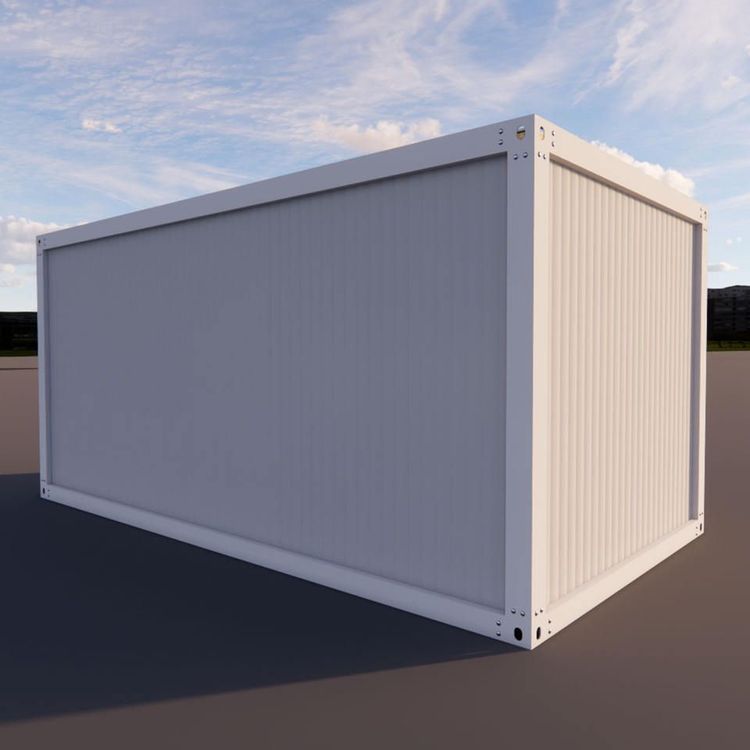
The core purpose of thickened customization is to enhance the house's wind resistance, earthquake resistance, and load-bearing capacity. The packing boxes from Suzhou Zhongnan Steel Structure Co., Ltd. feature a fully steel structural frame, with measured wind resistance up to Level 12 and earthquake resistance up to Level 8, and a frame deformation rate of only 0.18%, significantly lower than the industry's acceptable threshold of 0.3%. This indicates that thickened design should be based on a fully steel structure, improving overall stability by optimizing frame connection nodes (such as welding techniques and bolt strength) and increasing steel thickness (such as using corrugated steel plates over 1.2mm). Additionally, the standard container houses from CIMC Modular Building Investment Co., Ltd. have wind resistance of Level 11 and earthquake resistance of Level 7, suggesting that thickened design should select appropriate wind and earthquake resistance levels based on specific usage scenarios (such as coastal typhoon zones or earthquake belts) to avoid excessive design that increases costs.
2. Material Selection Should Balance Safety and Functionality
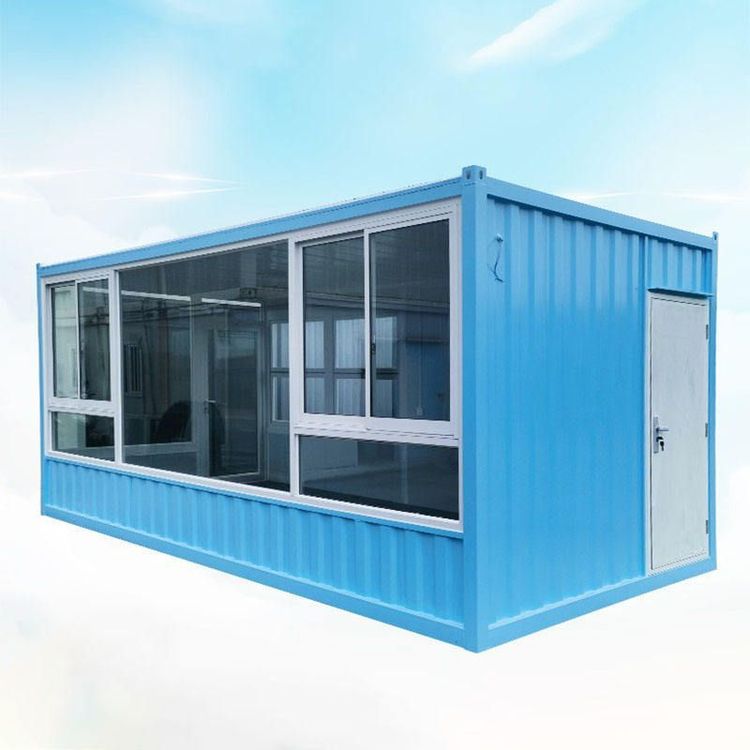
Thickened customization requires upgrading materials for both enclosure panels and interior decoration. Traditional container houses use a combination of 0.8mm corrugated steel plates and 100mm rock wool sandwich panels, which can meet insulation requirements in environments as cold as -30℃. However, thickened design can further utilize high-strength steel plates over 1.2mm and rock wool sandwich panels over 150mm to enhance thermal insulation and structural strength. Jieyu Creative Container Architecture solves issues of heat and poor sound insulation in traditional containers by filling with thermal insulation rock wool and using double-glazed tempered glass, indicating that thickened design should also upgrade window and door systems (such as using thermal break aluminum windows and doors) and interior decoration materials (such as eco-friendly soundproof panels) to suit long-term living or commercial operation scenarios.
3. Customization Services Should Cover the Entire Process and Reusability
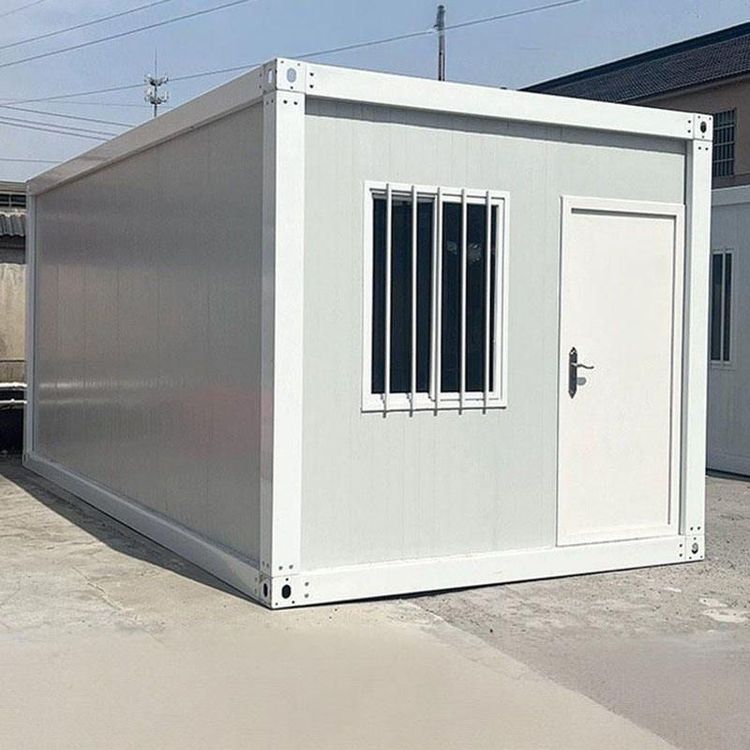
Thickened customization requires selecting manufacturers with integrated research and development, production, and installation capabilities. Zhonghui Energy Storage Container Company handles everything from demand planning to on-site installation, and its commercial container shops support customization of exterior styles and interior layouts, indicating that thickened design should clarify functional requirements (such as for offices, residences, or commercial displays) and spatial layouts (such as single-story, double-story, or multi-story combinations) with the manufacturer. The quick-assembly boxes from Suzhou Zhongnan support on-demand assembly and can be disassembled and reassembled more than 15 times, suggesting that thickened design should consider modular assembly and reusability, reducing long-term usage costs through standardized interface design. Furthermore, the customization cycle for CIMC Modular products is about 15 days, while Suzhou Zhongnan only requires 7 days, indicating that priority should be given to manufacturers with high production efficiency and stable supply chains to shorten project timelines.