
Container Houses Suitable for Mountainous Areas
Container houses are well-suited for mountainous areas, particularly excelling in seismic resistance, environmental friendliness, cost-effectiveness, and flexibility, though attention must be paid to fire prevention, moisture resistance, and approval processes.
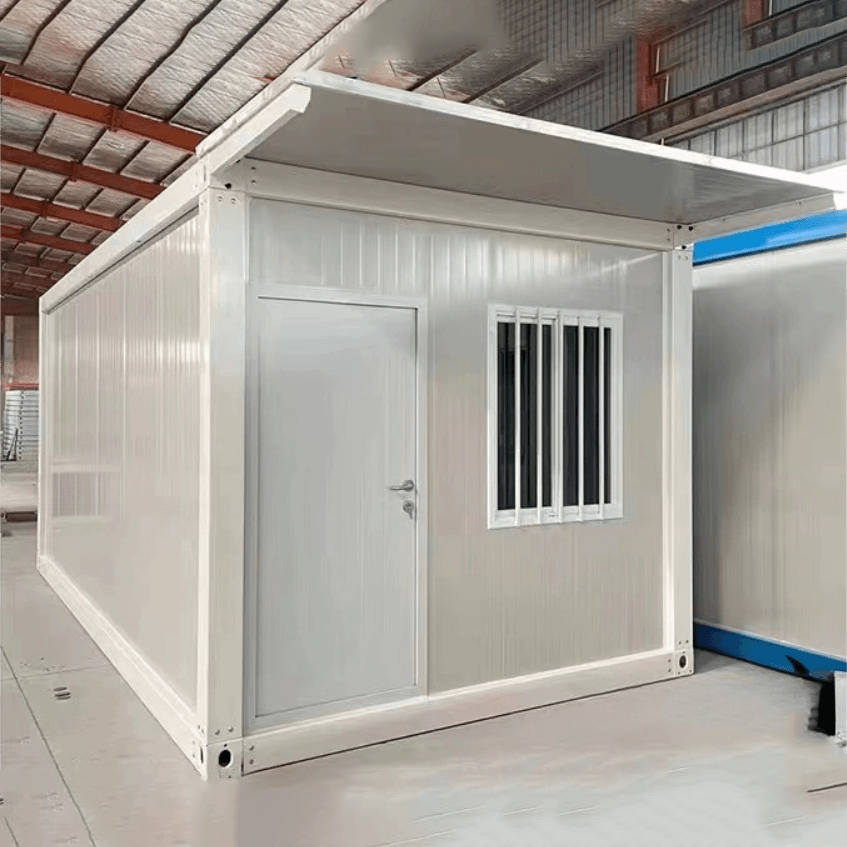
1. Outstanding Seismic Performance
Mountainous regions have complex geological conditions and high seismic risks. The main structure of container houses is made of high-strength steel, ensuring stability and seismic resistance up to magnitude 8, effectively withstanding seismic waves. For example, in the Xinjiang Dashixia Dam project, container houses were used as worker dormitories, meeting seismic requirements for construction in mountainous areas and showing no structural issues during daily use.
2. Environmental Friendliness and Reusability
The fragile ecology of mountainous areas means traditional brick-and-mortar buildings generate significant construction waste upon demolition. Container houses, however, feature modular designs with material recyclability exceeding 90%, adhering to green construction standards. Their mobility allows for relocation to other sites after project completion, reducing temporary construction costs by over 38% per project, suitable for the short development cycles and high mobility in mountainous areas.
3. Cost-Effectiveness and Rapid Deployment
Construction sites in mountainous areas are often remote, leading to high traditional construction costs. Container houses cost only one-third to one-half per square meter compared to traditional buildings and can be erected within seven days. For instance, the Beijing Metro Line 8 Qianmen project adopted container offices, significantly shortening the construction preparation period and reducing long-term investment costs.
4. Adaptability to Complex Terrain and Climate
Container houses are lightweight and have low foundation requirements, allowing adjustment of support structures to fit mountainous slopes or soft soil foundations. Their sealing technology effectively prevents leakage and moisture, and with rock wool insulation layers, indoor temperatures can be maintained above 18°C in winter. In summer, breathable designs enable natural ventilation, adapting to the large temperature variations in mountainous climates.
5. Limitations to Consider
- Fire Prevention: Steel strength significantly decreases at 600°C, necessitating the use of fire-resistant cladding materials.
- Moisture and Corrosion Resistance: Humid environments can lead to rust, requiring regular maintenance and application of anti-corrosion coatings.
- Approval Process: Construction in mountainous areas requires approval from land and planning departments, necessitating prior confirmation of land use and compliance.



