
Sound Insulation of Container Houses
The overall sound insulation effect of container houses is relatively poor, but it can be significantly improved through process optimization and material upgrades. Here is a detailed analysis:
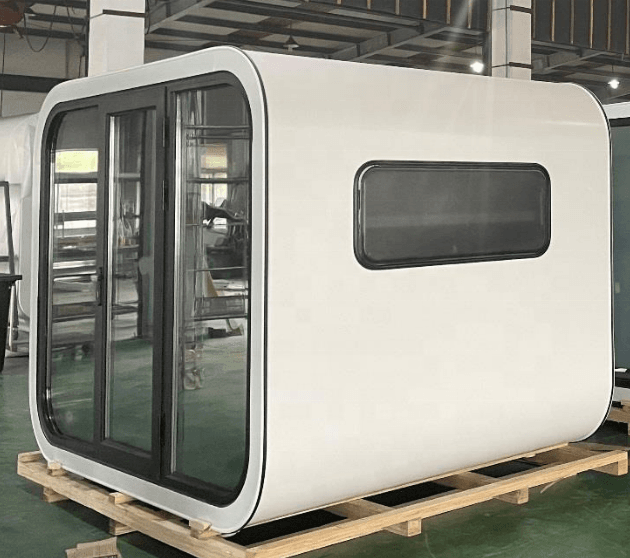
1. Reasons for the insufficient sound insulation performance of ordinary container houses Traditional container houses are mainly made of metal sheets. Metal materials have good sound transmission properties, and some products use thin steel sheets or single-layer wooden boards as partitions to reduce costs, resulting in extremely poor sound insulation. For example, due to the poor sound insulation of the container dormitories at the Nagoya Asian Games, athletes had to wear earplugs to sleep. In a certain movable plank house in Guiyang, the floor was only separated by thin wooden boards, and the resonance effect was obvious, further worsening the sound insulation. In addition, the joints of container movable houses are not well sealed, allowing external wind and human voices to easily enter the interior, further reducing sound insulation performance.
2. Differences in sound insulation performance related to brand and process There are significant differences in the sound insulation effects of container houses from different brands and processes. For example, the packed container of Tongxiang Jiacheng Mobile Plank House has an internal noise level of 58 decibels in a construction site environment with mechanical operations, which meets the standard for normal conversation. However, the internal noise level of Beijing Falilai's product reaches 65 decibels, requiring the use of earplugs. In addition, Zeyu Container House effectively solves the pain point of poor sound insulation in traditional container houses by filling the interior with environmentally friendly and flame-retardant sound insulation materials, providing a living comfort comparable to that of brick-concrete structure houses.
3. Technical paths for sound insulation improvement
- Material upgrade: Using high-density thermal insulation rock wool, thermal break insulation processes, and double-glazed windows and doors can block external noise. For example, container space capsules used in cultural and tourism scenic spots meet the usage requirements of homestays and shops by adding sound insulation and shock absorption sealing layers.
- Structural optimization: Fixed-type container movable houses adopt independent box structures, with floor materials consisting of steel, cement, and tiles, with a thickness of more than 20 centimeters, providing better sound insulation than the wooden floorboards of movable plank houses.
- Sealing treatment: Strengthen the sealing processes at the joints of sheets, window and door closures, and roof splices, using waterproof membranes and sealants for full sealing to reduce noise penetration.



