
Container House Small Apartment
Container houses can be designed as small apartments, achieving fully functional and economically practical living spaces through reasonable planning. The following elaborates from three aspects: design cases, product types, and safety considerations:
I. Practical renovation cases demonstrate the feasibility of small-apartment container houses
A British couple renovated a 15㎡ container house in the forest, achieving functional zoning through modular design:
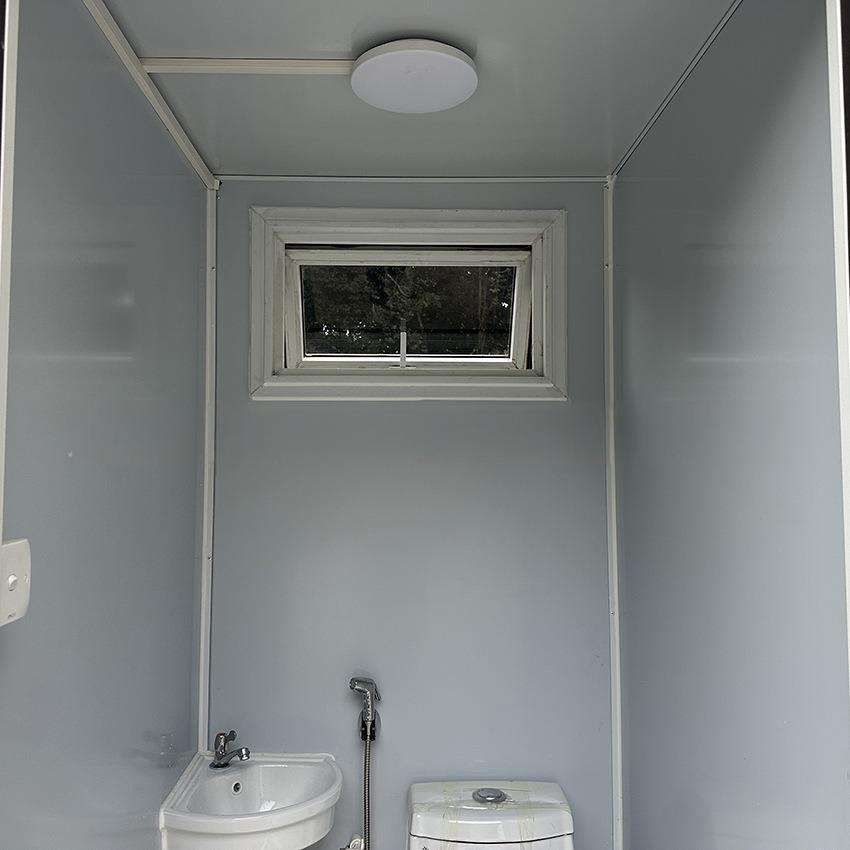
- Space Utilization: A foldable custom bed serves as a sofa during the day and unfolds into a double bed at night; the kitchen adopts a linear layout with integrated cabinets and open shelving; the bathroom optimizes storage space through rounded corner designs.
- Cost-Effectiveness: The total renovation cost is approximately 110,000 yuan, including solar panels, fireproof materials, and other configurations, reflecting a combination of economy and environmental protection.
- Structural Optimization: Enhanced lighting and ventilation are achieved through the addition of a deck, telescopic roof, and double-door design, addressing the original closed nature of container spaces.
II. The market offers a variety of small-apartment container products
- Basic Model: For example, the 83.6-yuan foldable container house from Suzhou Mingshuang Company is suitable for temporary living and features portability.
- Custom Model: Suzhou Zhongnan Steel Structure Company supports customization of 20-40-foot containers, integrating electrical systems to meet long-term living needs.
- Premium Model: Guangdong Changting Company's 70-yuan camp space capsule adopts a light steel frame and modular design, suitable for vacation scenarios.
- Portable Model: The 389.27-yuan luxury portable cabin from Dongyang Changen Company uses steel sandwich panel materials and supports outdoor folding and mobility.
III. Safety design should focus on materials and fire protection regulations
- Material Selection: Priority should be given to Class A fireproof rock wool boards or fireproof cotton filling, avoiding flammable materials such as polystyrene and polyurethane foam. For example, in a fire incident in Hangzhou, the illegal use of flammable sandwich materials led to rapid fire spread.
- Electrical Safety: Wires should be equipped with protective sleeves, sockets should use metal galvanized boxes and be surface-mounted, and simple fire extinguishing equipment should be provided.
- Spacing Requirements: Container panel rooms should maintain a minimum safety distance of 6 meters to prevent chain fire spread.
- Heat Source Management: Open flame operations and heat source equipment should be kept away from panel houses. For example, a fire in Tianjin was caused by an electrical switch circuit fault igniting weeds.
Conclusion: Through scientific design, material upgrades, and safety regulations, container houses can achieve efficient utilization of small apartments. Consumers should comprehensively select products based on usage scenarios (temporary/long-term), budget (ranging from 83.6 yuan for basic models to 70,000 yuan for premium models), and safety requirements (fireproof materials, spacing regulations).



