
Safety of Container Houses
The safety of container houses depends on material quality, structural design, installation specifications, and usage and maintenance conditions. Compliant products can have high safety levels, but non-compliant modifications or inferior products pose significant hazards. Detailed analysis is as follows:
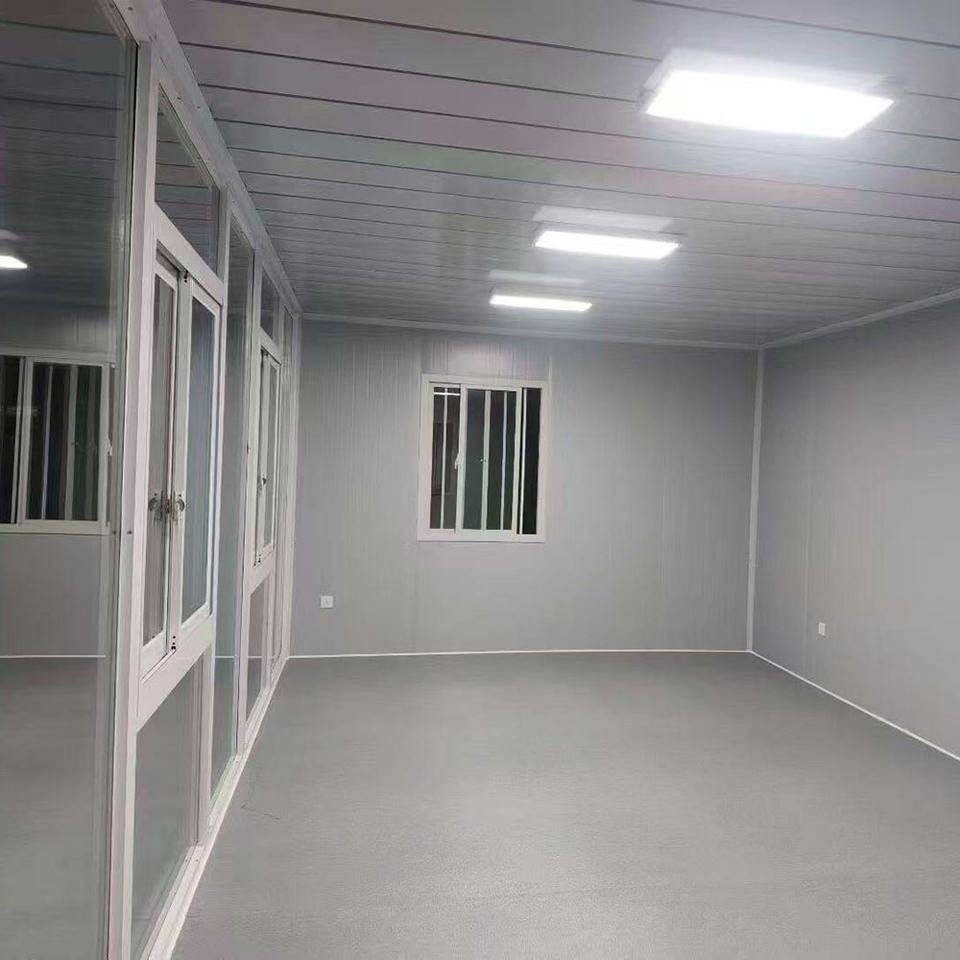
1. Structural safety is the core foundation
Compliant container houses use high-strength steel (such as channel steel and angle steel) as frames, forming stable structures through welding or bolt connections. For example, products from Suzhou Zhongnan Steel Structure Co., Ltd. have a frame deformation of only 2mm under 12-level strong winds, well below the national standard limit of 10mm; Chengdong Camp products can withstand an 8-degree seismic intensity (equivalent to a 6.4-magnitude earthquake). However, non-standard white-label products, to reduce costs, often use thin steel plates or inferior steel, with wind resistance reaching only 6-7 levels. In strong wind conditions, they are prone to frame deformation, wall detachment, and other accidents, with rework costs reaching 3-5 times the initial purchase cost.
2. Fire safety must be strictly controlled
Compliant products need to be filled with Class A fire-resistant materials such as rock wool boards and fireproof cotton and be equipped with emergency evacuation facilities. However, non-compliantly modified container houses generally have three major hazards:
- Non-compliant materials: Using flammable sandwich panels such as polystyrene and polyurethane foam, which do not meet fire resistance ratings;
- Fast burning speed: Flammable materials melt and drip at 80°C, causing rapid fire spread;
- Difficult escape: Combustion produces toxic smoke, and the iron-sheet-wrapped structure increases firefighting difficulty.
Accidents such as the 2015 Henan Pingdingshan elderly apartment fire and the 2022 Zhenjiang New District construction site dormitory fire are related to this.
3. Electrical and gas safety cannot be ignored
Non-compliant container houses often have issues such as unauthorized electrical wiring, mixed use of high-power appliances, and indoor use of bottled gas, posing prominent risks of electric shock and fire. For example, the 2020 Langfang container-modified housing fire was caused by an electrical circuit fault in the switch igniting weeds. Compliant products need to add protective sleeves to electrical wires, use metal-galvanized boxes for sockets with open installation, and be equipped with simple firefighting equipment.
4. Installation and usage specifications directly affect safety
Compliant products need to be installed by professional teams to ensure structural stability and rational space layout. For example, a single set of Suzhou Zhongnan quick-assembly containers can be installed in just 4 hours and supports on-demand splicing and combination; while white-label products may take 2-3 days for on-site installation and show frame looseness after 2-3 disassemblies and reassemblies. In addition, container houses need to maintain a safety distance of more than 6 meters from surrounding buildings to avoid blocking fire exits.



