
Container House Roof Light Strip
The installation of light strips on the roof of a container house can be achieved through recessed design, surface-mounted installation, or modular lighting fixtures. The appropriate method should be selected based on the structural characteristics of the container and lighting requirements, with attention to waterproofing, electrical safety, and aesthetics.
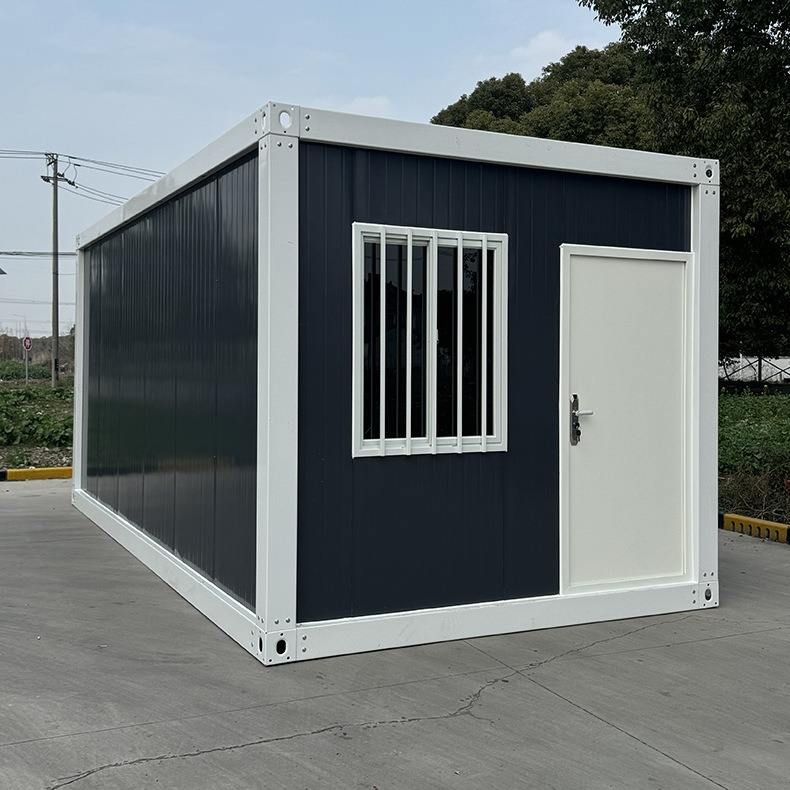
Recessed Light Strip Design
If the roof of the container house employs a suspended ceiling structure (such as the "additional-layer suspended ceiling light strip" in user cases), grooves can be reserved inside the suspended ceiling or dedicated light slots can be installed to embed LED light strips. This type of design requires advance planning of the electrical circuit layout to ensure safe power supply to the light strips. Simultaneously, uniform lighting can be achieved through the use of diffuse reflection materials or lampshades to avoid direct glare. For example, recessed linear light strips commonly used in modern office spaces can be combined with wood veneer or gypsum board suspended ceilings to create a simple and elegant atmosphere.
Surface-Mounted Installation
If the roof consists of exposed container steel plates, waterproof LED light strips can be directly installed on the surface of the steel plates. It is necessary to select a fixing method suitable for the container material, such as using corrosion-resistant metal clips or specialized adhesives, to ensure that the light strips are securely fixed without damaging the coating on the steel plates. For example, in the case of a night market handicraft workshop, the built-in LED light strips on the exhibition stands are fixed with hidden brackets, ensuring both lighting effects and integration with the industrial-style design. Additionally, attention should be paid to the waterproof rating of the light strips (it is recommended to be IP65 or above) to withstand rain erosion in outdoor environments.
Modular Lighting Fixtures
For creative container buildings (such as starburst-shaped residences or trendy blocks), modular lighting fixtures can be used to achieve personalized lighting. For example, adjustable-angle LED floodlights can be installed on the roof, or neon light strips can be used to outline the contour of the container, enhancing visual impact. This type of design should be combined with the overall architectural style. For example, in a cyberpunk-style block, the interplay of lighting fixtures on the top and ground-level light and shadow creates an immersive experience. At the same time, consideration should be given to the lighting control method, such as using an intelligent dimming system to adjust brightness and color according to day and night or scene requirements.
Electrical Circuit and Safety Considerations
Regardless of the installation method used, it is essential to ensure that the electrical circuit design complies with safety regulations. The electrical circuit on the roof of the container house should have inspection ports reserved for easy maintenance in the later stages. The power of the light strips should match the transformer to avoid overloading. Outdoor wiring should be run through metal conduits or use waterproof connectors to prevent short circuits. Additionally, if solar panels are installed on the roof (such as in the Joshua Tree Residence case), coordination is needed between the power supply of the light strips and the layout of the solar system to ensure energy efficiency.



