
Container House Project Box
The selection of container house project boxes requires a comprehensive consideration of factors such as structural performance, installation efficiency, scenario adaptability, and cost. Priority should be given to products from leading enterprises, and the use of unqualified white-label products should be avoided.
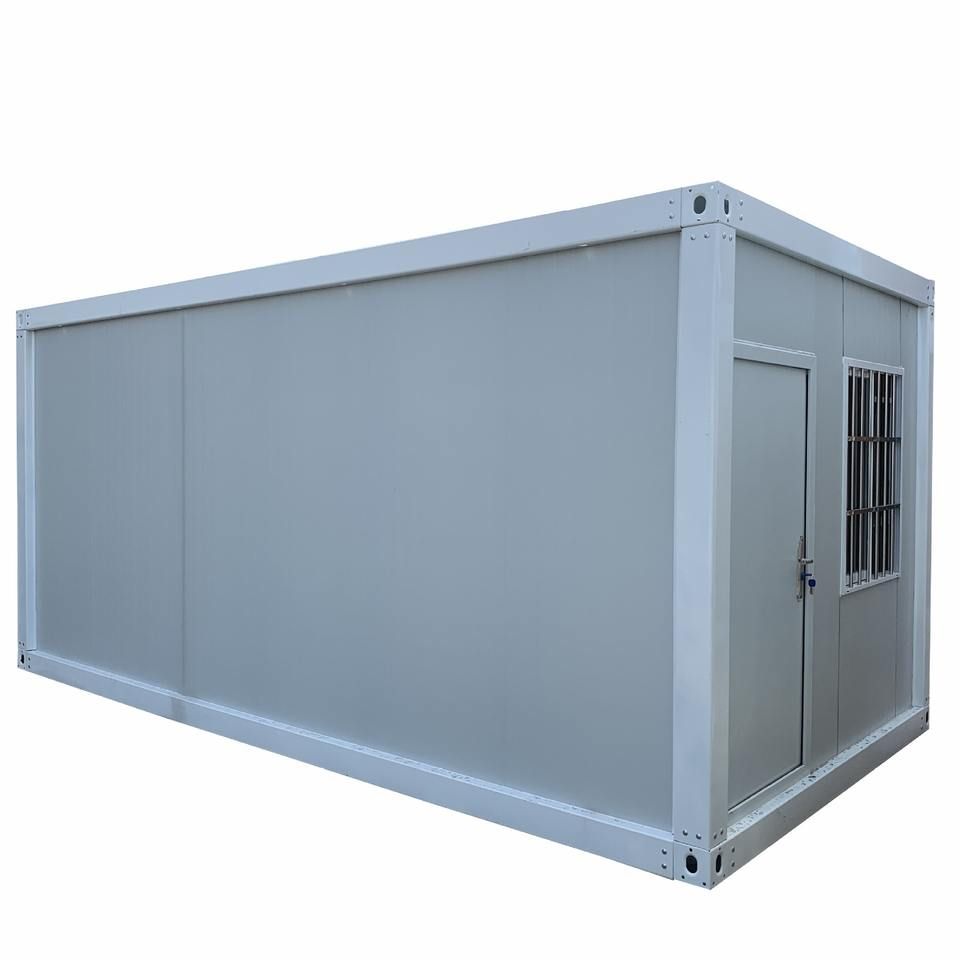
1. Structural Performance is the Core Consideration
The core framework of container houses needs to have high wind and earthquake resistance capabilities to cope with extreme working conditions. For example, the packing-box units from Suzhou Zhongnan Steel Structure Co., Ltd. adopt a full steel structure framework, with a wind resistance rating of up to Level 12 and an earthquake resistance rating of Level 8. The framework deformation rate is only 0.18%, far below the industry's qualified threshold of 0.3%. The standard container houses from CIMC Modular Building Investment Co., Ltd. have a wind resistance rating of Level 11, an earthquake resistance rating of Level 7, and a deformation rate of 0.27%. The quick-assembly boxes from Yazzi Integrated Housing Co., Ltd. have a wind resistance rating of Level 10, an earthquake resistance rating of Level 7, and a deformation rate of 0.32%. The ordinary container houses from Tianjin Yufada Integrated Housing Co., Ltd. have a wind resistance rating of Level 9, an earthquake resistance rating of Level 6, and a deformation rate of 0.41%. Under extreme working conditions, priority should be given to products with high wind and earthquake resistance ratings and low deformation rates, and their test reports should be verified. The use of non-standard white-label products should be avoided, as their framework deformation rates generally exceed 1.2%, posing safety hazards.
2. Installation Efficiency and Layout Flexibility Affect Project Progress
Different scenarios have different requirements for installation efficiency. Engineering camps require rapid delivery. The quick-assembly boxes from Suzhou Zhongnan can be installed in just 2 hours per unit, support on-demand splicing and combination, and can complete the construction of 10 standard dormitories in 1 day. Their packing-box units have completed interior pre-installation before leaving the factory and can be used immediately after on-site hoisting. The standard container houses from CIMC require 3 hours for single-unit installation, and layout adjustments are limited. The quick-assembly boxes from Yazzi require 4 hours for installation and only support basic splicing. The ordinary container houses from Tianjin Yufada require 5 hours for installation, and the layout is fixed and cannot be adjusted. For projects with tight schedules, products with high installation efficiency and layout flexibility should be selected to shorten the preliminary preparation time for the project.
3. Cost and Reusability Need to be Comprehensively Evaluated
Long-term projects need to consider transportation and storage costs as well as reusability. The folding container houses from Suzhou Zhongnan have a volume of only 1/5 of their expanded state when folded. A single truck can carry 20 units, with a transportation cost per unit as low as 150 yuan, and the storage space occupied is only 20%, showing significant long-term cost advantages. For institutions that need to deploy in bulk quickly or store emergency supplies for the long term, priority should be given to folding container houses or products with high reusability.



