
Container House Processing Assembly Line
The container house processing assembly line is a systematic project that covers the production of various types of container houses, focusing on efficiency and cost control.
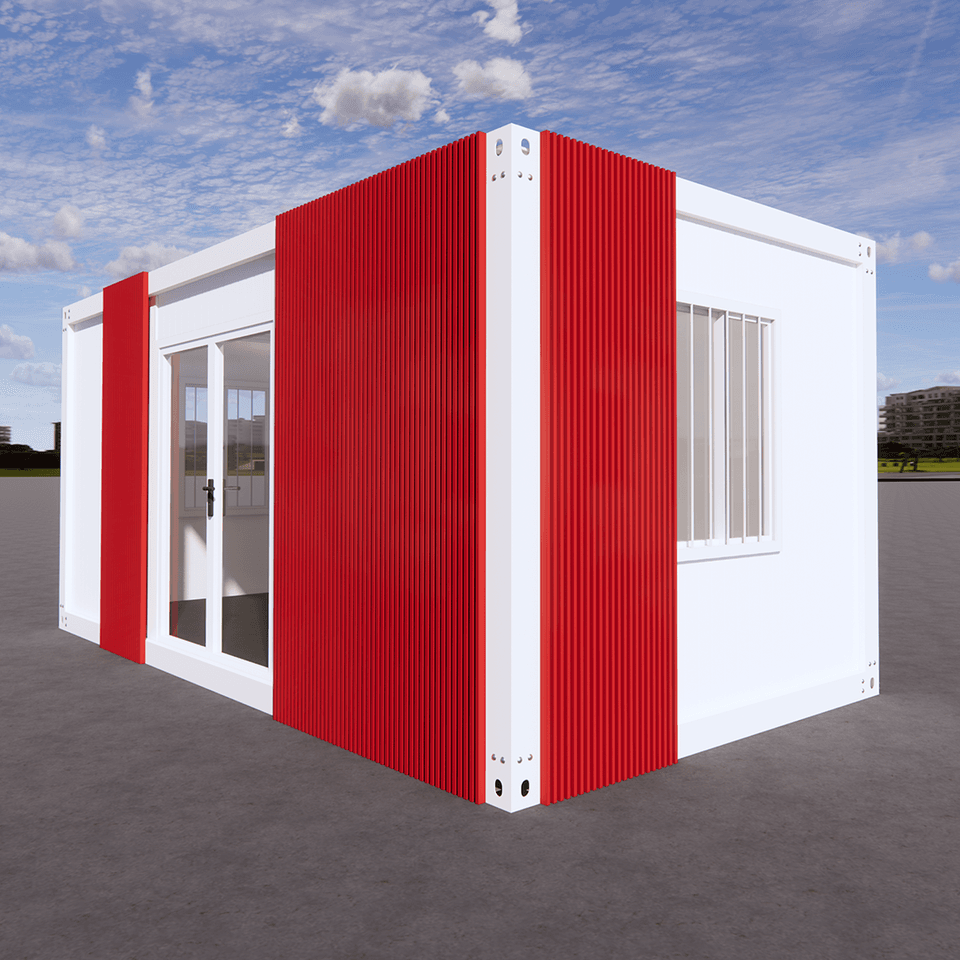
I. Diverse Assembly Line Types The container house processing assembly line is not a single model but is divided into multiple specialized production lines based on product types. Taking Shanxi Xiangzu Mengren as an example, its assembly lines cover different types such as folding containers, corrugated containers, panel-building containers, quick-assembly containers, movable prefabricated houses, and light steel villas. Each assembly line designs its process flow according to the specific characteristics of the product. For example, the folding container production line requires equipment for installing top insulation layers, while the light steel villa production line needs to integrate modular assembly technologies for walls and roofs. This classified production model maximizes the utilization of equipment resources while meeting market demands for diversified products.
II. Production Characteristics of Folding Containers As a typical product, the production process of folding containers emphasizes convenience and functionality. High Deployment Efficiency: A single folding container requires only 2-3 people to operate and can be fully deployed in 15-30 minutes, significantly reducing labor and time costs. Optimized Thermal Insulation: The top can be equipped with an insulation layer to stabilize indoor temperatures by blocking heat conduction paths, making it suitable for extreme climate regions. Modular Design: The folding structure facilitates easy transportation and storage. When deployed, it forms a complete living space, catering to both temporary and long-term use needs.
III. Cost Control and Installation Considerations The production of container houses requires strict control over costs and installation quality. Cost Control Strategies: Reduce material waste by accurately measuring the overall area, optimize component dimensions using BIM technology to minimize construction losses, adopt prefabricated modules to reduce on-site installation times and shorten project durations, and establish a standardized accessory system to enable cross-project allocation and avoid inventory backlogs. Installation Precautions: Drainage System: Plan the slope and drainage outlet positions in advance to prevent water accumulation and structural corrosion. Thermal Insulation: Select materials based on usage scenarios, such as increasing the thickness of rock wool boards in cold regions and using reflective thermal insulation films in hot regions. Foundation Treatment: Ensure ground flatness to prevent house deformation caused by foundation settlement.
IV. Technological Upgrade Directions Currently, assembly lines are evolving towards intelligence and greenness. Some companies have introduced automated welding robots to enhance component precision and adopted IoT technology for real-time production data monitoring. Simultaneously, they are exploring the application of recyclable materials, such as using recycled steel and bio-based insulation materials, to reduce lifecycle carbon emissions. These innovations will further drive the container house industry towards efficiency and environmental friendliness.



