
Volver al blog
Artículo
Container House on Foundation
Admin 16 de septiembre de 2026
When placing container houses on foundations, different types have varying foundation requirements. Some have low requirements, while others have specific requirements. Details are as follows:
- Foldable container houses and fixed residential container houses: They have low foundation requirements. Simply level the ground, and they can be placed directly for use. If conditions permit, pouring a cement floor and creating drainage ditches will make the living experience more comfortable. These relatively low foundation requirements make them more convenient to set up and enable quick commissioning, meeting the urgent needs for temporary accommodation and office space at construction sites and other locations.
- Packing-box container houses: They have simple foundation requirements. Their foundation forms are flexible. They can be built as strip foundations or pier foundations, or even placed directly on the ground without a foundation. This characteristic further simplifies the setup process and reduces setup costs, making them suitable for scenarios with limited foundation conditions or where quick setup is pursued.
- Residential prefabricated panel houses: They have high foundation requirements. The foundation needs to be poured into a certain area of concrete, and the house and the foundation must be connected with expansion bolts. When the prefabricated panel house is demolished, its first-floor concrete foundation cannot be reused. The high foundation requirements ensure the stability and safety of the prefabricated panel house but also increase the complexity and cost of setup.
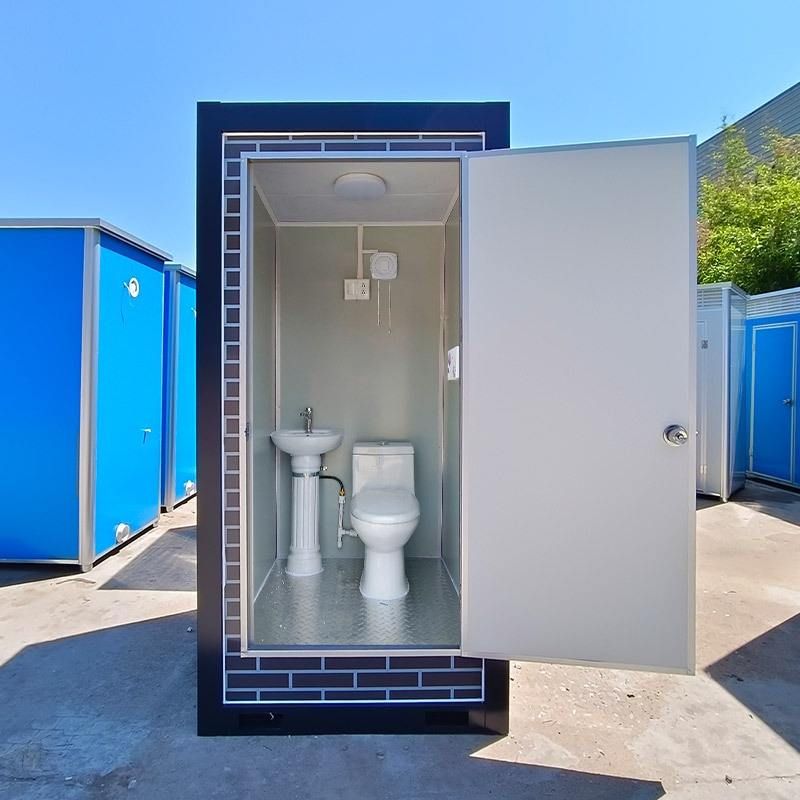
Whether placing container houses is considered unauthorized construction requires a comprehensive judgment:
- Core judgment factors: Whether planning permission has been obtained, whether the nature of the occupied land is compliant, and whether the land use has been changed. If relevant permissions have not been obtained and the land nature or use has been changed without authorization, even if the container house itself is movable, it may still be considered unauthorized construction.
- Special scenario regulations: Placing containers on the rooftops of self-built houses or in fields, if used only for temporary storage of agricultural materials and tools, without hardening the ground, connecting to water and electricity, or carrying out traditional infrastructure construction, and without occupying land quotas, is usually not considered unauthorized construction. However, if the ground is hardened, water and electricity are connected for long-term residence, or it is converted to commercial use, it may be considered unauthorized construction.
Relacionados



