
Container House New Regulations Image
There is no unified answer as to whether container houses are considered illegal constructions; it requires a comprehensive assessment based on land nature, usage, local policies, and whether approval has been obtained. Here is a detailed analysis:
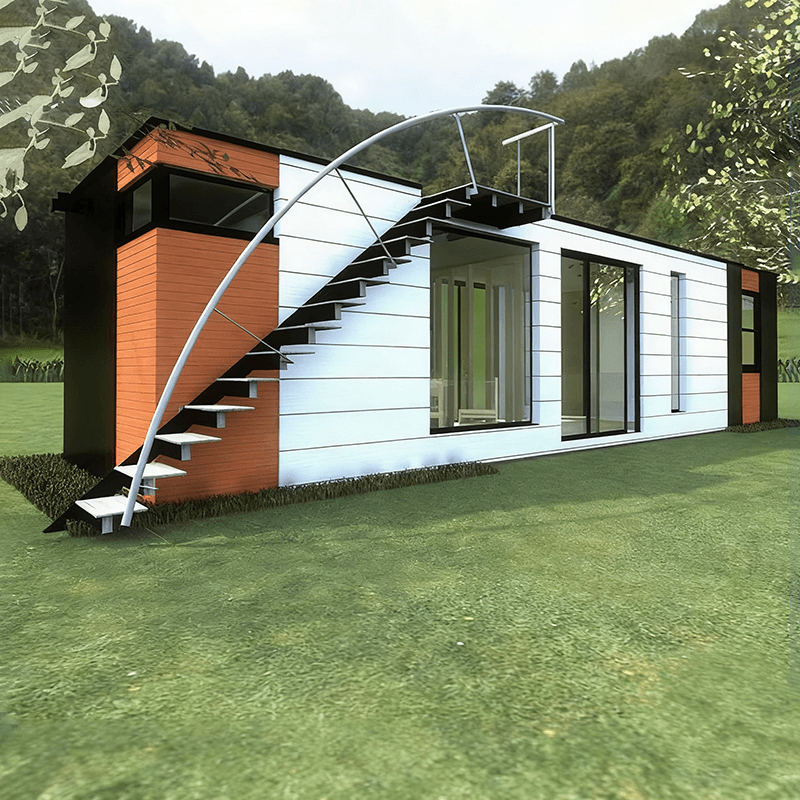
1. Uniqueness of Container Houses
Containers are essentially movable metal structures, characterized by their detachability, lack of foundation, and minimal land occupation, distinguishing them from traditional fixed buildings. If the ground is not hardened, no water or electricity is connected, and they are solely used for temporary storage of agricultural materials and tools (such as farm watch houses), and do not damage the plow layer or occupy land quotas, they are generally not considered illegal constructions. For example, a certain agricultural company in Hainan was ordered to rectify for constructing container houses on permanent basic farmland, while Farmer Lao Wang, who placed a container by the field to store farming tools, was not deemed to have an illegal construction.
2. Differences in Local Policies
- Inclusive Policies: Some coastal cities (such as Shanghai and Shenzhen) encourage the use of container buildings in the cultural tourism and commercial sectors, allowing free construction under certain conditions.
- Strict Control Policies: Agricultural provinces (such as a certain province's 2025 regulations) require temporary building registration for container houses in fields, even if they are only used for storing farming tools.
- Prohibitive Policies: Containers are absolutely prohibited in basic farmland and ecological protection zones; additions to urban rooftops require structural safety assessments and planning permits, otherwise they may be considered illegal constructions.
3. Core Factors in Determining Illegal Constructions
- Land Nature: Container houses that occupy cultivated land, basic farmland, or have not undergone approval for converting agricultural land to construction use are considered illegal constructions.
- Usage and Function: If used for business (such as homestays, shops), residence, or altering land use (such as hardening the ground, connecting water and electricity), they may be considered illegal constructions. For example, a camping owner in Yunnan placed a container house in a forest to operate a coffee bar and was fined for not obtaining forestry fire safety approval.
- Approval Procedures: Even as temporary buildings, they require temporary land use and construction planning permits (with a general usage period not exceeding 2 years). Container houses that have not been applied for or approved are considered illegal constructions.
4. Suggestions for Compliant Use
- Temporary Storage: Avoid hardening the ground and connecting water and electricity; it is recommended that the size of a single container does not exceed a 20-foot standard container.
- Business Use: Requires land use approval, planning registration, and fire safety permits; priority should be given to commercial/cultural tourism land.
- Residential Use: Requires formal construction permit application; the floor height should not exceed 6 floors and the total height should be ≤24 meters.



