
Volver al blog
Artículo
Container House Near Me: The Complete Buying Guide
Admin 17 de noviembre de 2026
When purchasing a container house, it is necessary to comprehensively consider classification, driving factors, supplier criteria, application scenarios, and market trends, and select a plan based on specific needs.
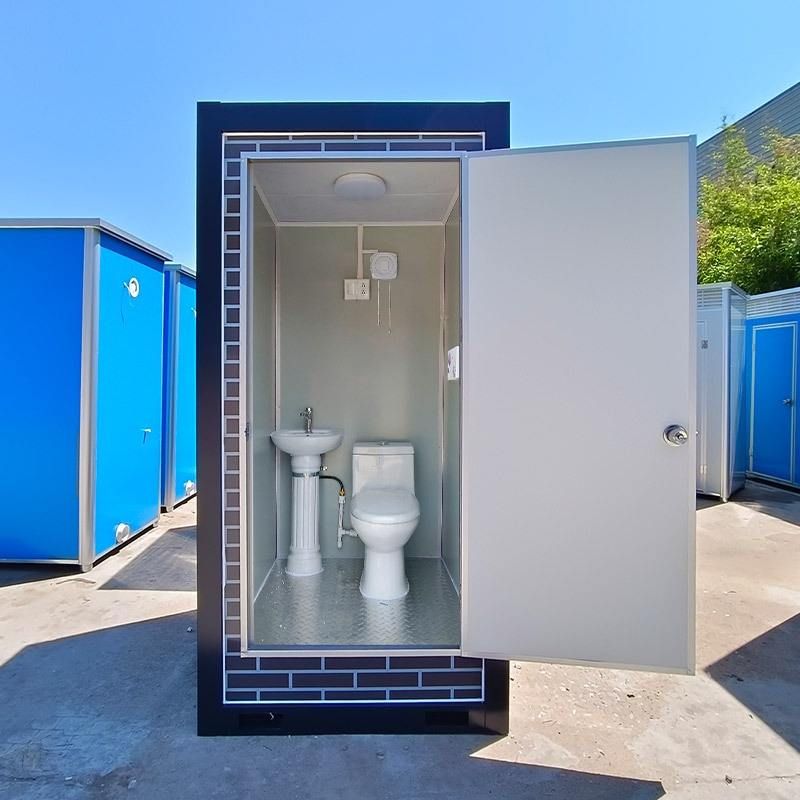
1. Clarify House Type and Functional Requirements
Container houses can be divided into four categories:
- Expandable Type (20ft/30ft/40ft): Supports dynamic space adjustment, suitable for family growth or commercial space expansion needs.
- Foldable Type: Folds during transportation to save space and can be quickly unfolded on-site, suitable for remote work, nomadic lifestyles, or post-disaster emergency scenarios.
- Modular Combination: Achieves multi-story or complex layouts through the connection of multiple containers, suitable for large-scale projects such as resorts and office buildings.
- Special Function Type: Such as Apple Pods and Space Pods, meet the needs of special scenarios such as tourist homestays and mine dormitories.
2. Evaluate Core Purchase Drivers
- Economy: The cost is only 1/3 to 1/2 of that of traditional housing, suitable for young homebuyers or Airbnb investment and operation.
- Sustainability: Recycled steel containers reduce carbon emissions and comply with low-carbon building standards (e.g., Xinheng uses galvanized steel with fireproof and waterproof materials).
- Lifestyle Adaptation:
- Mobility: The foldable design supports rapid relocation, adapting to the trend of remote work.
- Modular Expansion: DXH provides custom solutions from single containers to multi-story buildings, meeting changes in family or commercial space.
- Aesthetic Innovation: Designs such as glass curtain walls and terraces break traditional impressions (e.g., Xinheng's resort-style two-story houses).
3. Key Criteria for Selecting Suppliers
- Production Capacity and Qualifications: Prioritize manufacturers with an annual production capacity exceeding 5,000 units and a factory area exceeding 10,000 square meters (e.g., Xinheng, DXH), and confirm that products have passed CE and ISO 9001 certifications.
- Customization Services: Support CAD design, 3D rendering, and on-site installation guidance (DXH provides full-process services), and adjust functions according to scenarios (e.g., extreme environment models for mines).
- Logistics and Delivery Efficiency: The foldable structure reduces sea freight costs (a 1×40HQ container can load 10-14 units), and choose suppliers with a 14-day rapid delivery period (e.g., Xinheng).
- Global Service Network: Prioritize cooperation with manufacturers that export to more than 30 countries and provide localized logistics support (Xinheng, Hongrui).
4. Match Typical Application Scenarios
- Residential Field: Vacation villas, mobile homes, student dormitories (DXH residential series), post-disaster emergency housing.
- Commercial Field: Cafes, retail stores, mine/construction site offices (outstanding durability).
- Tourism and Infrastructure: Campgrounds, space pod homestays (Hongrui Apple Pod products).
5. Focus on Market Trends in 2026
- Technology Integration: AI-assisted design (e.g., Accio Work platform) optimizes layout and material selection.
- Material Innovation: Lightweight composite materials reduce transportation costs and improve thermal insulation performance.
- Policy Support: Green building subsidies in many countries further reduce holding costs.
Action Recommendations: Select suppliers based on needs, prioritize on-site inspections of factories and case projects, and request one-stop quotes including transportation, installation, and after-sales service. For example, for mine dormitories, contact Xinheng for a 14-day delivery foldable house solution, and for resort projects, choose DXH's two-story glass curtain wall houses.
Relacionados



