
Container House Mini Homestay
The container house mini homestay is a prefabricated accommodation building transformed from standardized containers. It features low cost, short construction period, unique style, flexibility, and environmental friendliness, making it an innovative choice in the cultural and tourism accommodation sector.
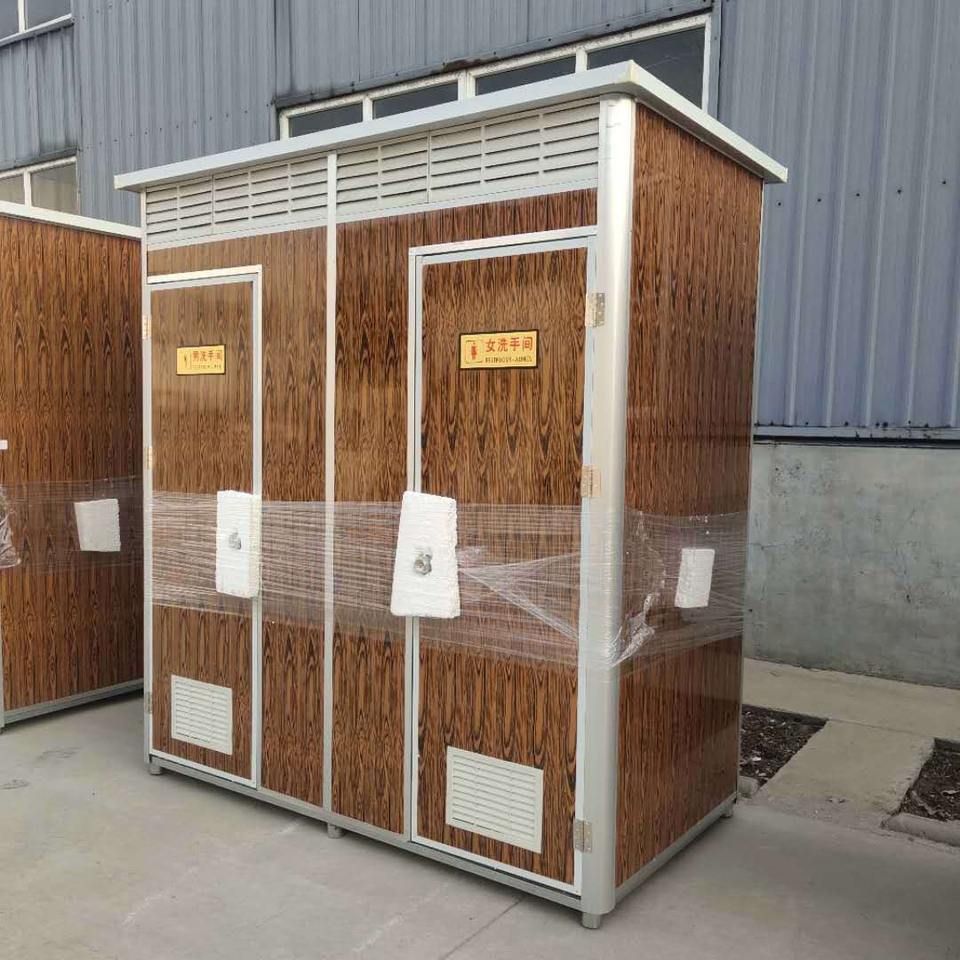
Core Structure and Renovation Process
Container homestays use 20-foot or 40-foot standardized containers as carriers, achieving functional transformation through modular design. The renovation process includes: Anti-corrosion treatment (rust removal, application of special paint), Structural cutting (window and door openings), Installation of insulation layers (rock wool or extruded polystyrene boards), and Interior decoration (bathroom, bedding, and furniture configuration). Multiple containers can be combined through splicing, stacking, or horizontal arrangement to form diverse housing types such as duplexes and lofts, meeting the needs of different customer groups.
Advantages Compared to Traditional Homestays
- Cost and Construction Period: Retired containers have low procurement costs, and a single container can be renovated in just 15-30 days, far shorter than the 3-6 month construction period of traditional homestays. Additionally, factory prefabrication reduces on-site construction pollution and labor input.
- Style and Experience: The industrial-style exterior (metal texture, exposed structure) combined with graffiti, green plants, and other elements easily creates popular photo spots. Retaining original markings, locks, and other details enhances the thematic feel, aligning with young tourists' pursuit of niche accommodations.
- Flexibility and Environmental Friendliness: The relocatable nature adapts to lease expirations or changes in customer flow, avoiding asset idleness. The reuse of retired containers aligns with low-carbon principles and is suitable for light foundation construction in ecologically sensitive areas (such as mountains and lakesides).
Suitable Scenarios and User Groups
- Main Buyers: Homestay operators, scenic area management companies, ecological agricultural parks, and some investors verify the sustainability of economic models through trial placements.
- Typical Applications: Homestay rooms in natural environments such as seashores, mountains, and lakesides; temporary rest facilities at fishing grounds and scenic area entrances; and accommodation units in camping bases.
- Economic Verification: In popular tourist routes, a single container homestay can operate for more than 180 days annually on average, with the sustainability of the economic model gradually becoming evident.
Industry Trends and Selection Recommendations
The current container homestay industry is characterized by scenario segmentation (increased demand for customization) and full-chain service (integration of design, production, installation, and after-sales). When selecting, focus on anti-corrosion technology (to prevent rusting), delivery timeliness (to avoid missing the peak opening period), and after-sales support (to ensure traceability of issues). Prioritize compliant source manufacturers with qualifications, rich project experience, and personalized customization services.



