
Container House Material: What to Know Before You Buy
When purchasing a container house, here are the key points you need to know about the materials:
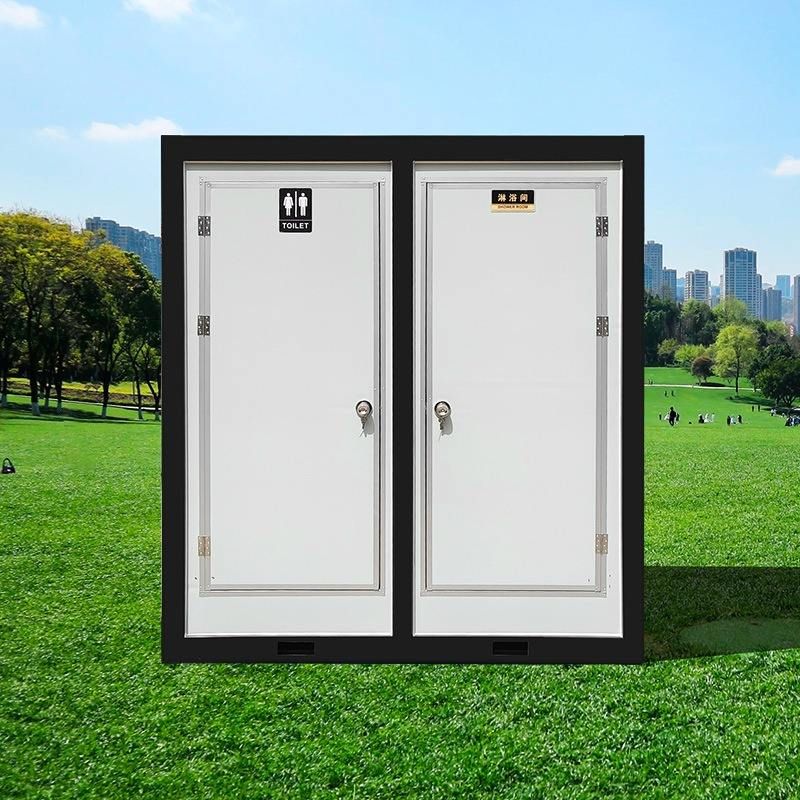
1. Main Structural Material: Durability and Protection of Galvanized Steel The core frame of a container house is typically made of galvanized steel. This material forms a zinc layer on the surface of the steel through hot-dip galvanizing, effectively isolating moisture and oxygen, and significantly enhancing corrosion resistance. Compared to ordinary steel, galvanized steel can extend its service life by several decades, making it particularly suitable for humid or rainy regions. Its high strength also ensures that the house remains structurally stable during transportation and lifting, withstanding external forces such as strong winds and earthquakes.
2. Wall and Roof Materials: Thermal Insulation Performance of EPS Sandwich Panels Walls and roofs commonly use 50mm-thick EPS (polystyrene) sandwich panels. These panels consist of two layers of metal panels (such as color-coated steel sheets) sandwiching an EPS foam core, combining lightweight and high-strength properties. The thermal conductivity of the EPS core is extremely low (approximately 0.038 W/(m·K)), effectively blocking heat transfer and reducing energy consumption for heating in winter and cooling in summer. Additionally, the surface of the sandwich panels can be coated with fire-resistant and waterproof layers to further enhance safety and durability.
3. Customizable Material Options: Balancing Functionality and Aesthetics Container houses support material customization to meet diverse needs. For example, exterior decorative panels can be made of aluminum-plastic panels, fiber cement boards, or wooden veneers, protecting the walls from UV rays and acid rain while enhancing architectural aesthetics through color and texture design. Interior partitions can be constructed using light steel keel gypsum boards for flexible space division; flooring materials can include epoxy flooring, PVC flooring, or composite wood flooring, balancing practicality and comfort.
4. Quality Certifications: Guarantee of International Standards When selecting a container house, ensure that the product has passed authoritative certifications such as CE (EU Safety Certification) and ISO9001 (Quality Management System Certification). CE certification indicates that the house meets EU safety, health, and environmental requirements; ISO9001 certification proves that the company adheres to standardized management from material procurement to production processes, effectively avoiding shoddy workmanship or defects. Some high-end products may also pass UL (US Safety Certification) or AS/NZS (Australian/New Zealand Standards) certifications, further expanding their applicability.
5. Quality Control During Manufacturing: Details Determine Quality The production of high-quality container houses requires rigorous quality control:
- Material Inspection: Random checks are conducted on parameters such as steel thickness, uniformity of the galvanized layer, and EPS density;
- Process Control: Welding joints must pass ultrasonic flaw detection, and the bonding strength of sandwich panels must meet national standards;
- Finished Product Testing: Scenarios such as transportation vibration, rain penetration, and fire resistance are simulated to ensure that the house maintains stable performance under extreme conditions.
By controlling these aspects, risks such as material aging and structural deformation can be minimized, extending the service life of the house.



