
Container House Material Thickness
The material thickness of different parts of container houses varies depending on the product type and design requirements. Common thickness ranges are as follows:
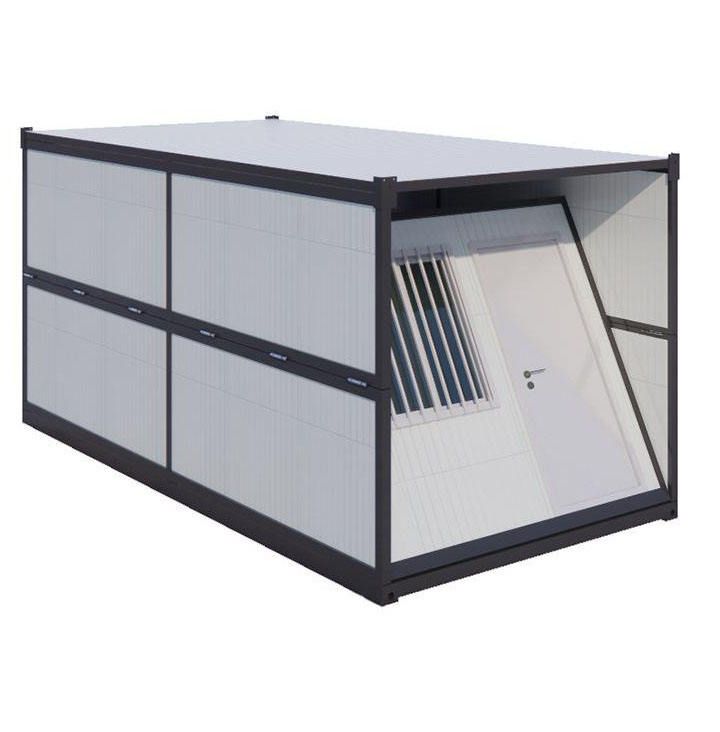
Wall Material Thickness
Some packaged container houses use color-steel glass wool sandwich panels for their walls. The thickness of the inner and outer color-steel plates is typically 0.45mm, with a 75mm-thick layer of glass wool in between. This structure balances strength and thermal insulation. Some products use aluminum panels as exterior decorative materials, with thickness specifications including 2.0mm, 2.5mm, and 3.0mm. These panels are processed through cutting, bending, and welding, with a fluorocarbon spray coating on the surface, offering strong weather resistance and a smooth finish.
Roof Material Thickness
The commonly used materials for roofs are galvanized color-steel plates or glass wool composite panels. For example, the roof of a certain packaged container house uses a 0.45mm galvanized color-steel plate, and some designs add a 100mm-thick layer of glass wool to enhance thermal insulation.
Bottom Frame and Structural Main Beam Thickness
The bottom frame, as the load-bearing core of container houses, typically uses thicker steel. For example, the main beam of the bottom frame of a certain packaged container house is 3.0mm thick galvanized steel, ensuring the overall structural stability. Some products use full-size 2.3mm thick, 20cm-wide galvanized special-shaped steel, formed in one piece by a high-frequency welder, with a built-in drainage channel design, further improving structural strength and durability.
Other Special Material Thicknesses
In non-standard products or customized designs, material thickness may be adjusted according to requirements. For example, a case mentions a container house with a wall thickness of 75mm, but such specifications are usually related to pipelines or special structures and need to be evaluated based on the specific product type. Additionally, some white-label products may use thin steel (such as products with only a wind resistance rating of level 8) to reduce costs, but insufficient material thickness can lead to decreased safety and should be chosen with caution.
Summary: The material thickness of container houses should be comprehensively considered based on the usage scenario, load-bearing requirements, and safety. Regular brand products usually adopt standardized thickness designs, while non-standard products may carry the risk of insufficient thickness. It is recommended to prioritize products that meet international or enterprise standards.



